Stephen Geddes: Tremendo Escultor detrás de la Magia del Kennerverse
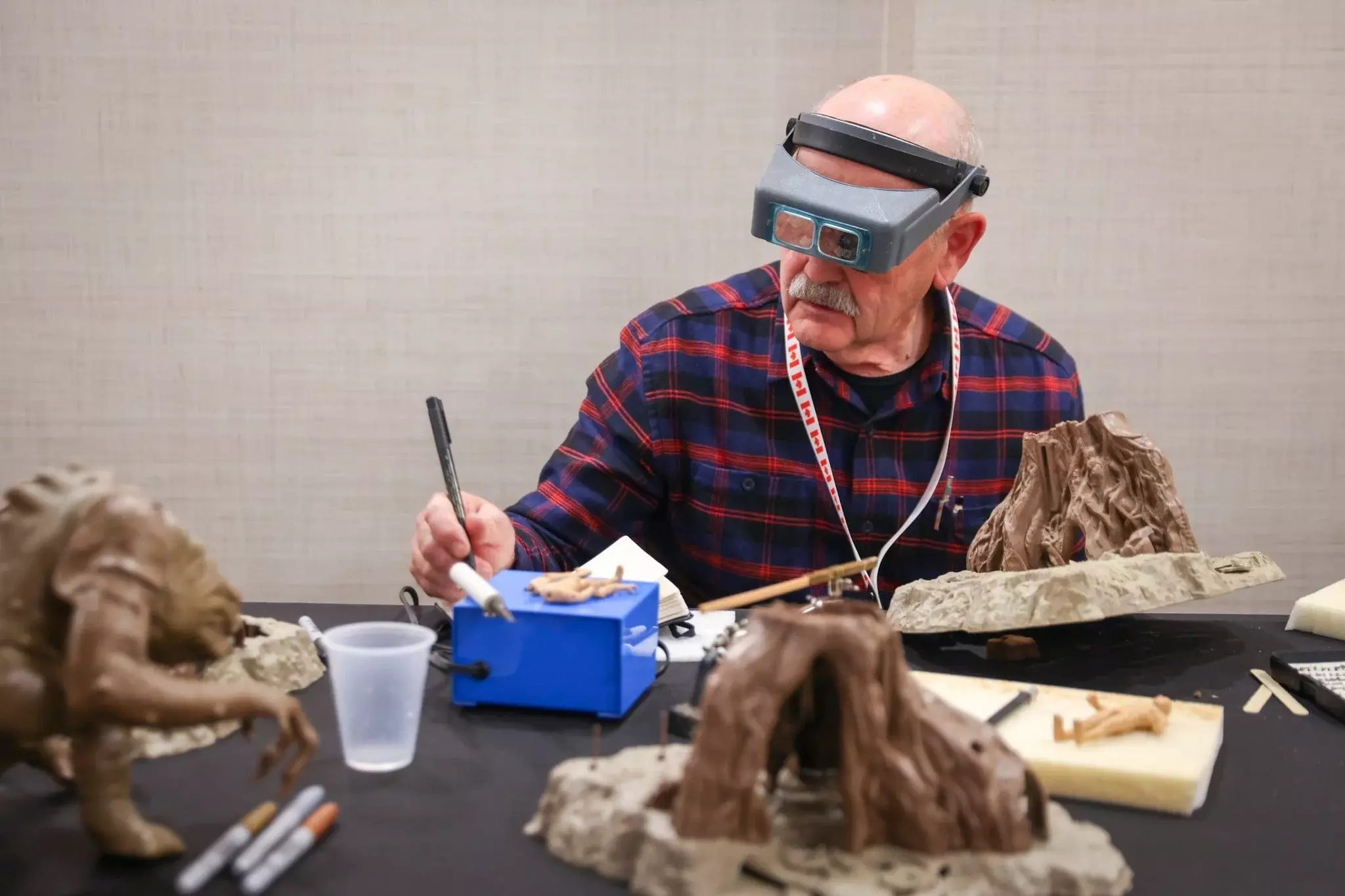
Entre 1977 y 1985, Stephen Geddes no solo fue parte de la historia del juguete… la esculpió con sus propias manos. Como escultor interno de Kenner durante el auge de Star Wars, Geddes fue responsable de dar forma a muchas de las figuras vintage más icónicas que marcaron a generaciones de fans. Su legado incluye piezas inolvidables como el Ben Kenobi de 12 pulgadas, el monstruo de basura Dianoga, el playset de Dagobah, el Taun-Taun (Close y Open), el Rancor, el Dewback, el Yoda hand puppet, y varios personajes: Walrus Man, Death Star Droid, Luke (Hoth), Rebel Commander, AT-AT Commander, Han Solo (Bespin), Lando (Bespin), Bespin Guard (Black), Luke (Jedi), Bib Fortuna, Chief Chirpa, Anakin Skywalker, Han Solo (Carbonite) e Imperial Dignitary.
Geddes se unió a Kenner en el momento exacto en que la compañía obtenía los derechos para fabricar juguetes basados en la saga galáctica. Su primer desafío fue crear al aterrador Dianoga del compactador de basura de la Estrella de la Muerte. Y a partir de ahí, su talento se expandió por toda la galaxia. Trabajó esculpiendo figuras, creando moldes y prototipos para la línea original de Star Wars, además de contribuir en otras franquicias legendarias como Indiana Jones, Strawberry Shortcake, Ositos Cariñositos y Alien.
Tras dejar Kenner en 1985, su talento continuó dejando huella en compañías como LJN (ThunderCats), AmToy (Mad Balls) y Hasbro (G.I. Joe, Indiana Jones). En 1995 se unió a Warner Brothers Toy Company, que luego se transformaría en la independiente N2, donde desarrolló líneas coleccionables como Starting Lineup, Space Jam, Frazetta Figurines y Looney Tunes.
Originario de Wisconsin, Geddes estudió Educación Artística y luego obtuvo un MFA en Escultura. Su pasión por el arte lo llevó a enseñar, pero también a inspirar a nuevas generaciones desde su taller en Nueva Jersey, donde aún hoy continúa esculpiendo figuras para los soñadores del mañana.
Stephen Geddes es mucho más que un escultor: es un arquitecto del imaginario infantil de los años 80. Y su obra vive en cada figura vintage que sigue haciendo soñar a coleccionistas de todo el mundo.
Patrol Dewback – El Lagarto del Desierto que Conquistó a los Fans
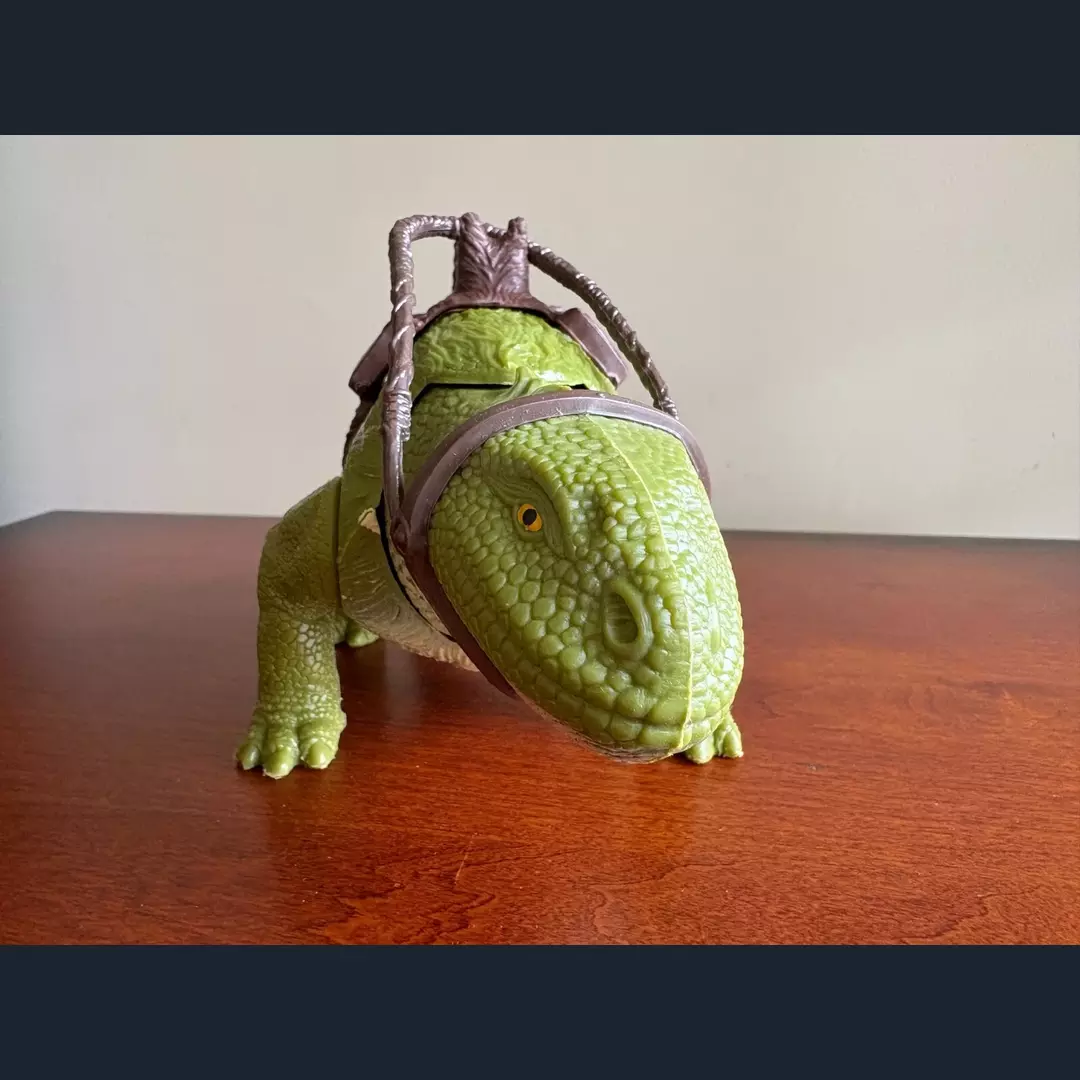
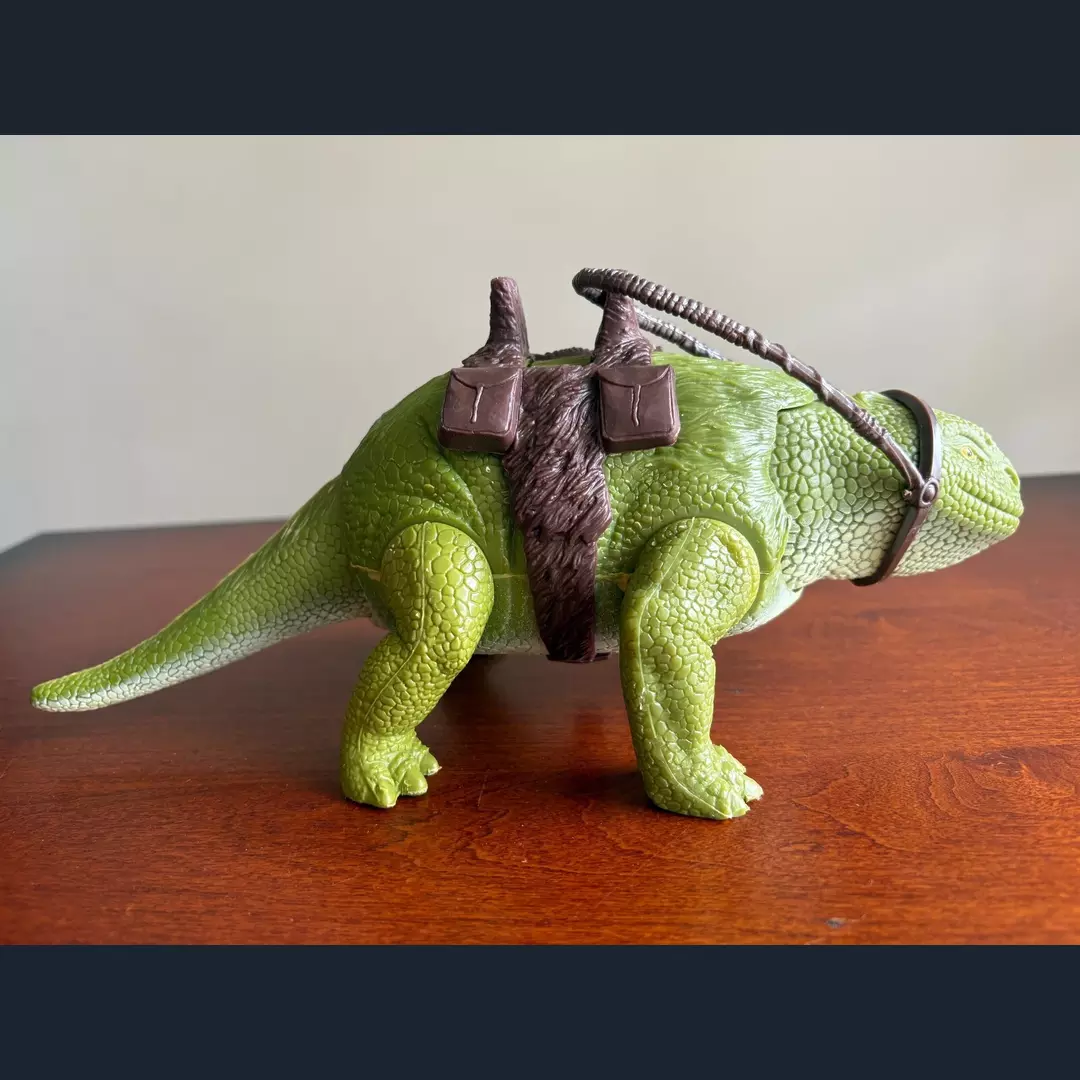
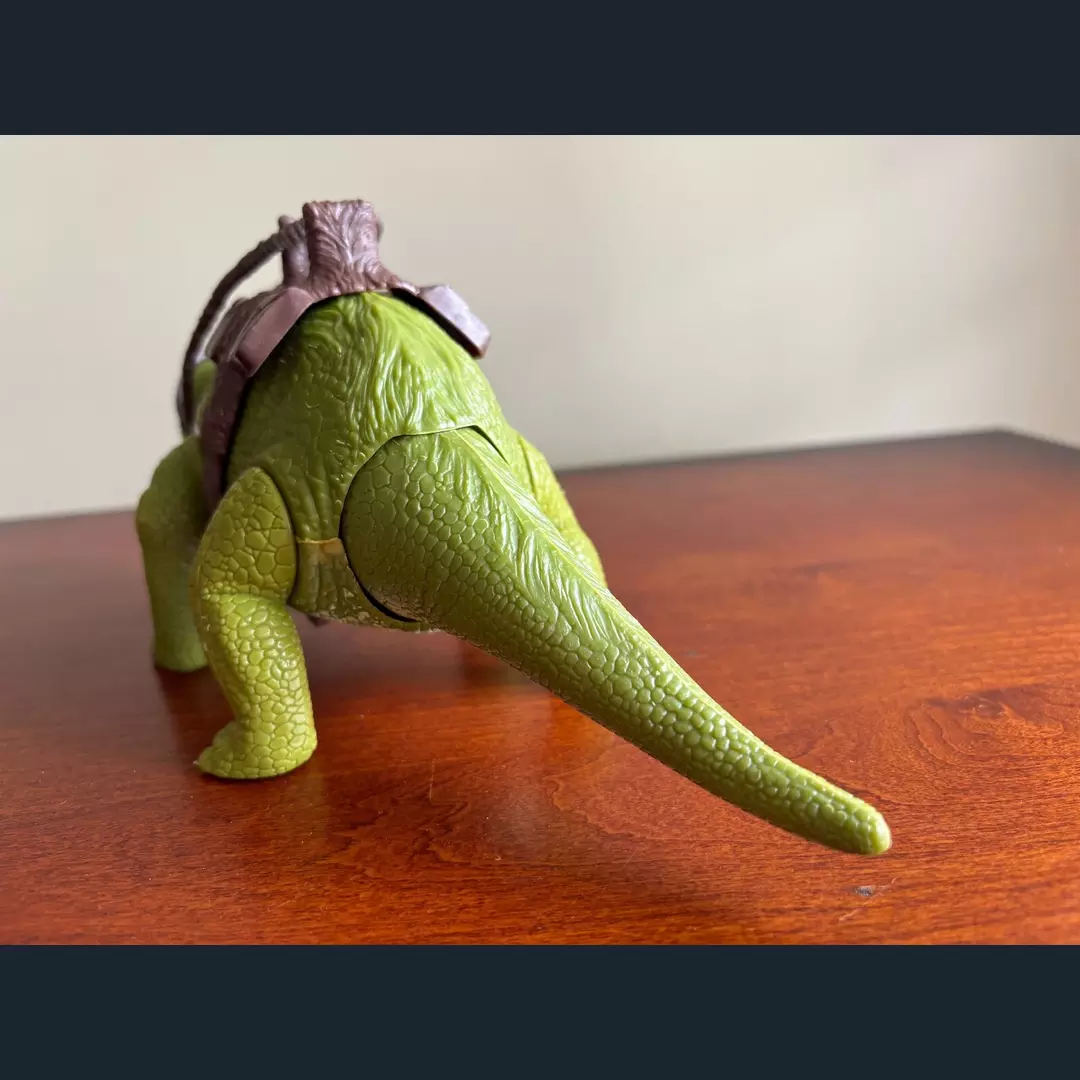
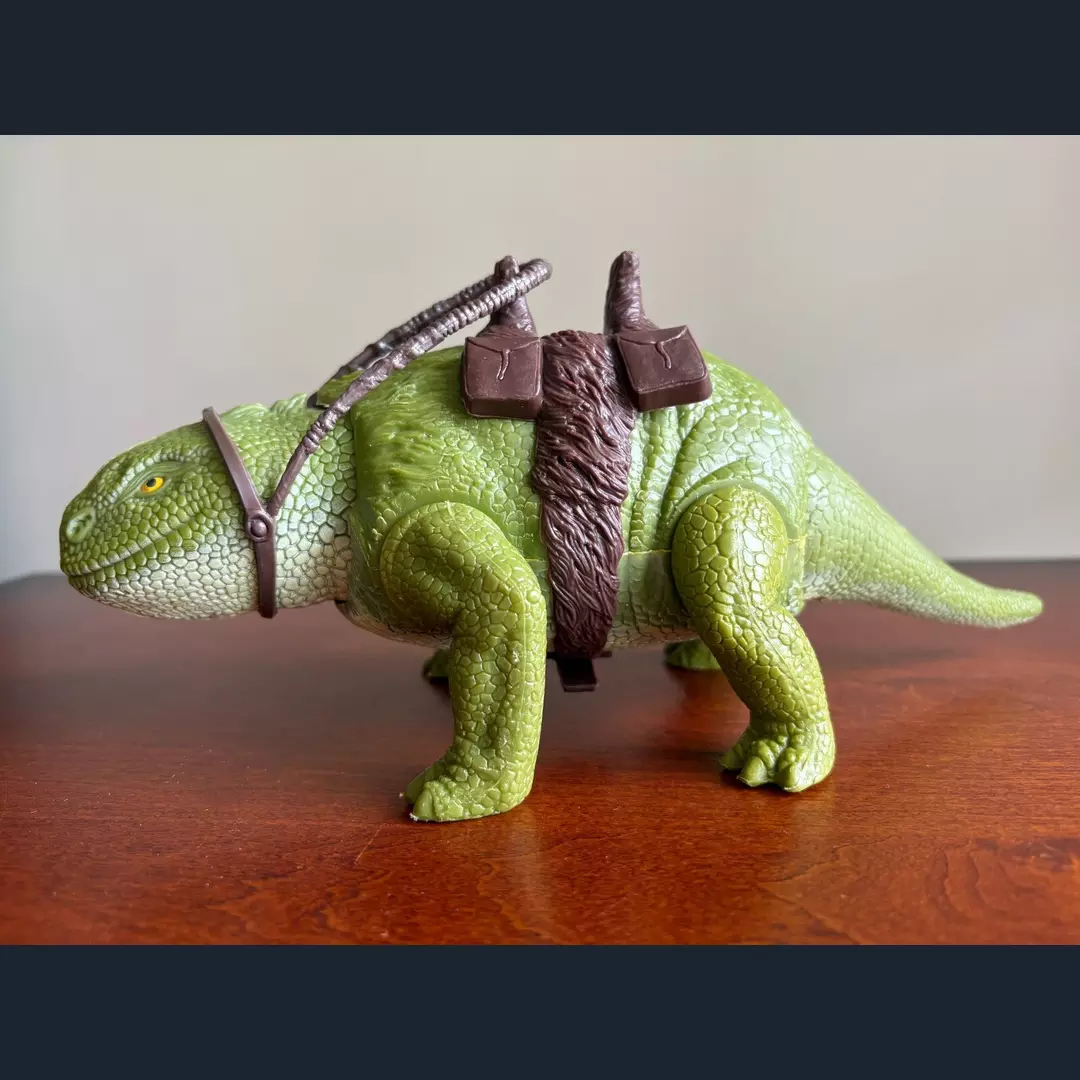
Aunque apareció brevemente en Star Wars: Una Nueva Esperanza, el Patrol Dewback de Kenner, lanzado originalmente en 1978, se ganó un lugar destacado en la historia del coleccionismo vintage. ¿La razón? Su presencia constante en material promocional de la época, como las clásicas trading cards y catálogos, lo convirtió en una figura inolvidable para quienes crecieron con la trilogía original.
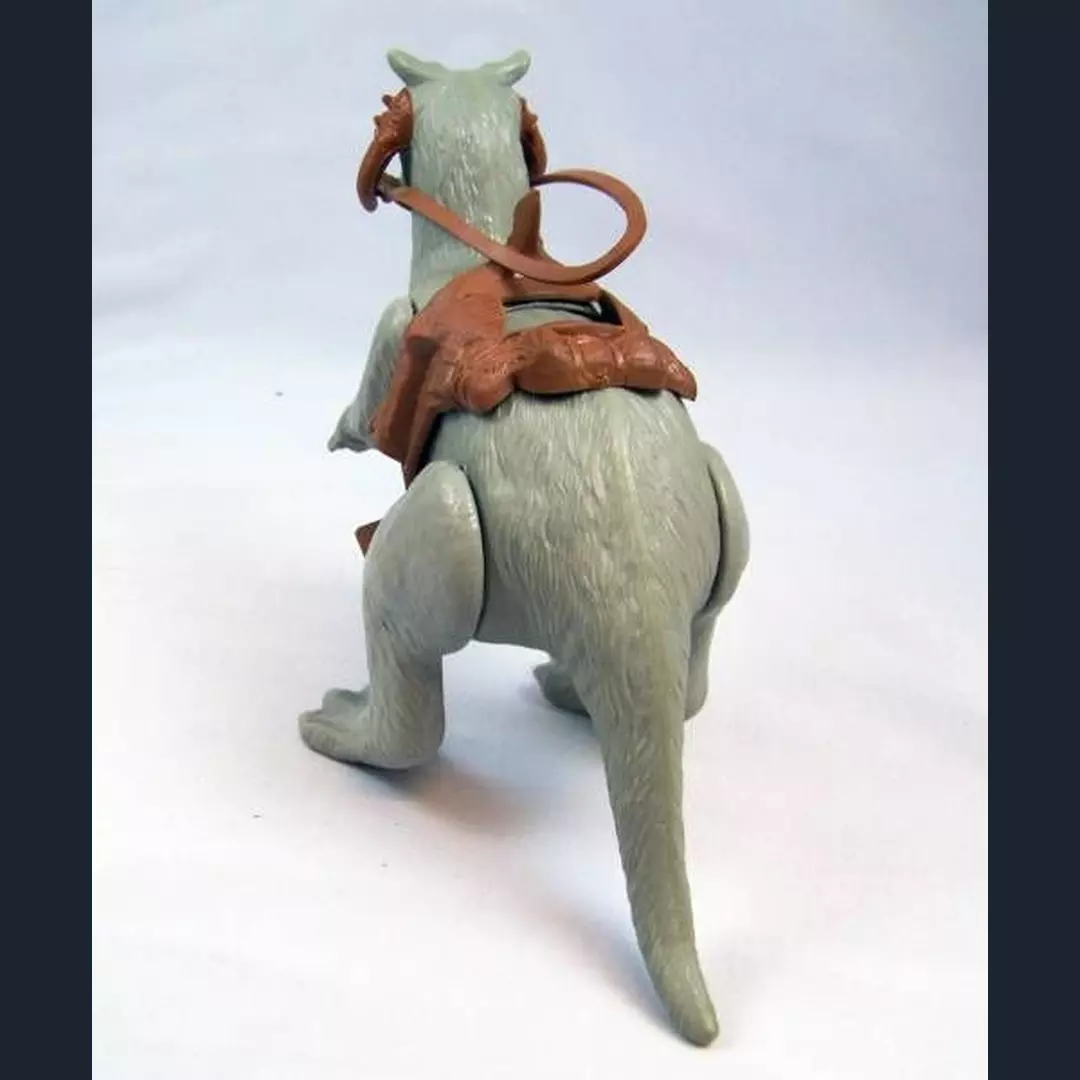
El juguete incluía una ingeniosa función que permitía insertar una figura de acción a través de una escotilla en el lomo de la figura, simulando que iba montada; una acción mecánica que movía la cola cuando se giraba la cabeza; y una silla de montar con riendas de goma. Con los años, estos accesorios se han vuelto muy difíciles de encontrar en buen estado. Si estás buscando uno para tu colección, asegúrate de que la silla y las riendas estén intactas y sin reparaciones evidentes con pegamento.
En 1984, Kenner lo reeditó dentro de su Collector Series, con algunos cambios menores en el empaque, como una estrella roja destacada en la caja. Aunque nunca salió en una caja de The Empire Strikes Back en EE. UU., sí existió una versión canadiense que, en algunas ocasiones, incluso incluía una figura de stormtrooper.
El Dewback es uno de esos casos donde un diseño atractivo, más que el tiempo en pantalla, le dio la inmortalidad. Hoy, sigue siendo una pieza muy valorada por coleccionistas del Kennerverse de todo el mundo.
El Tauntaun – Una Leyenda del Hielo de Hoth
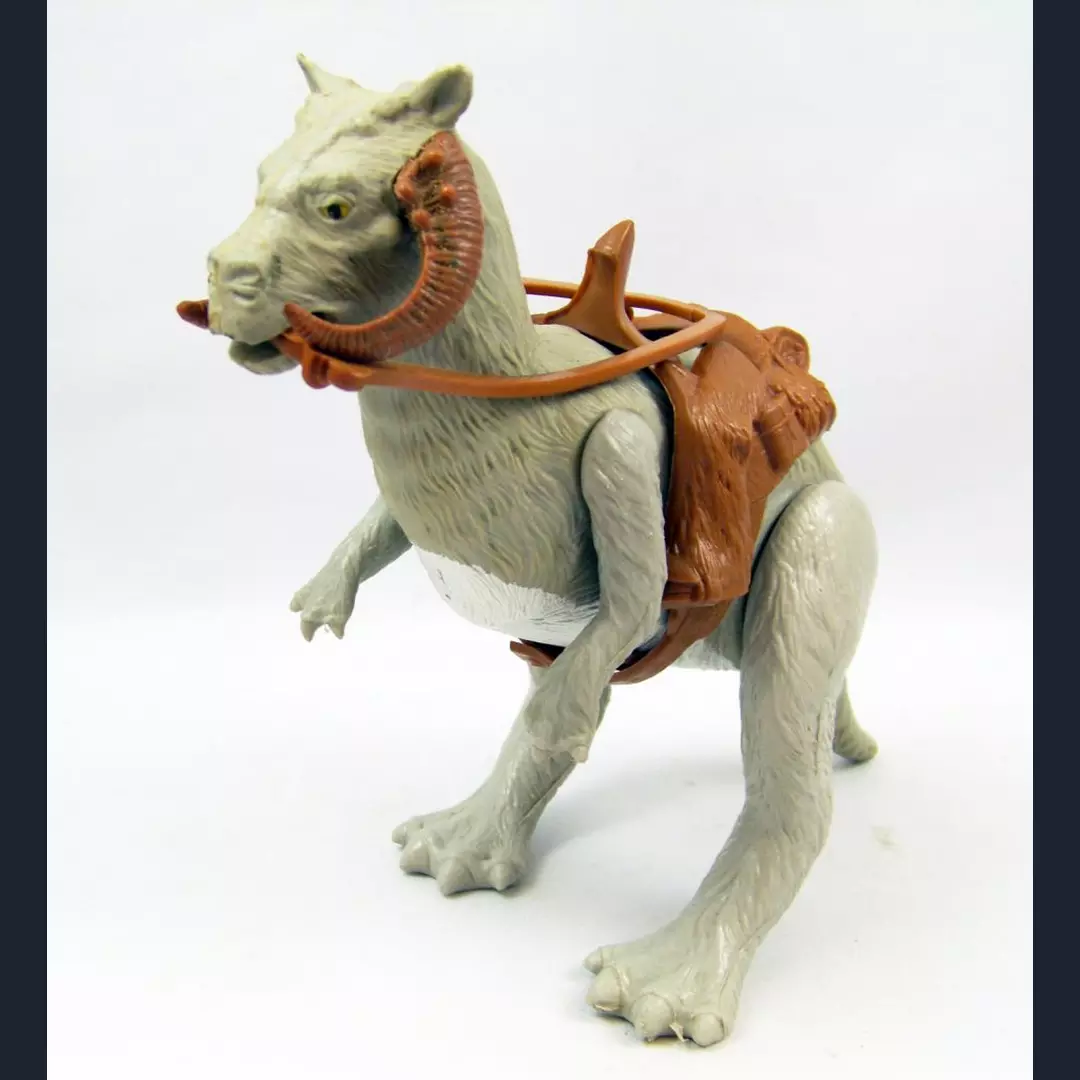
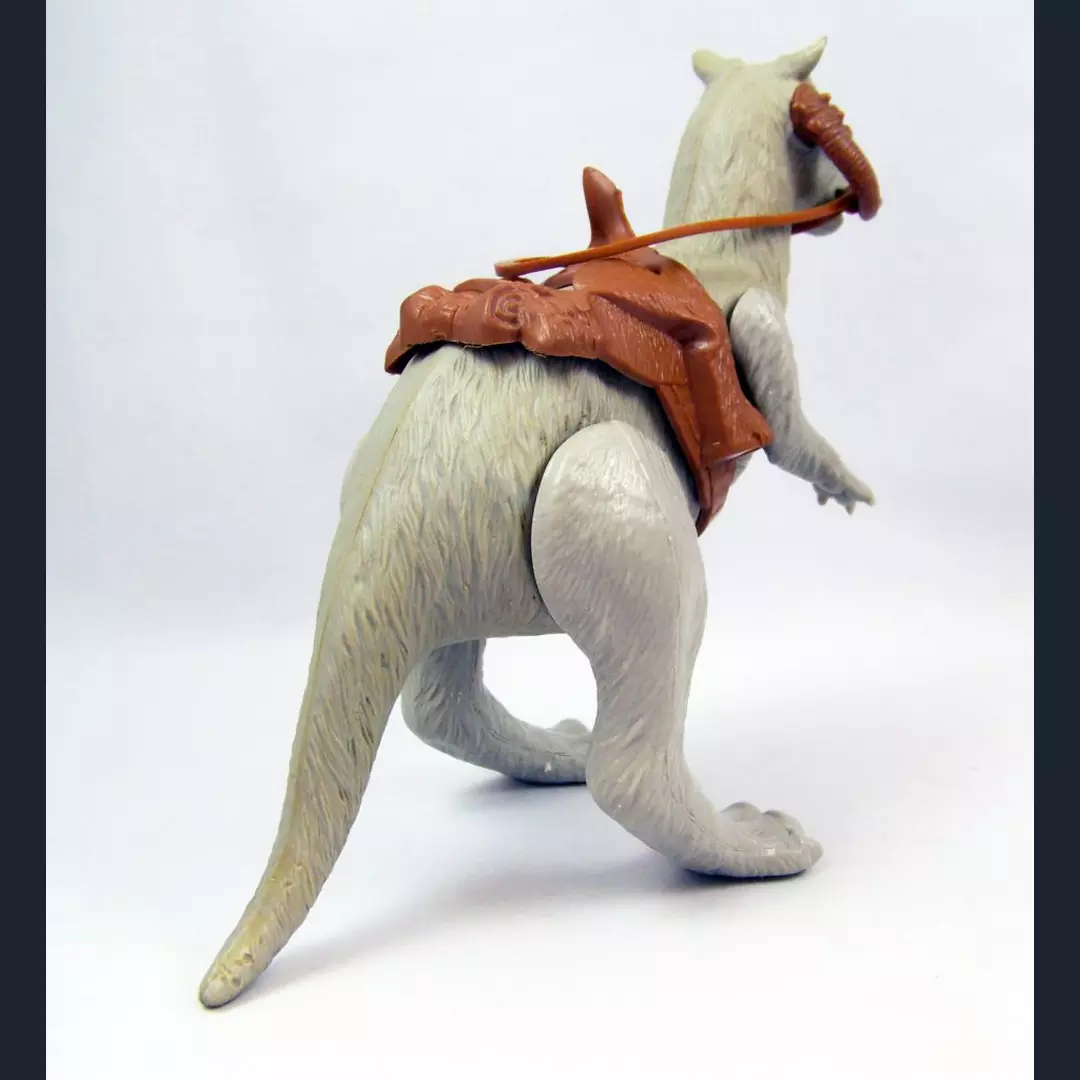
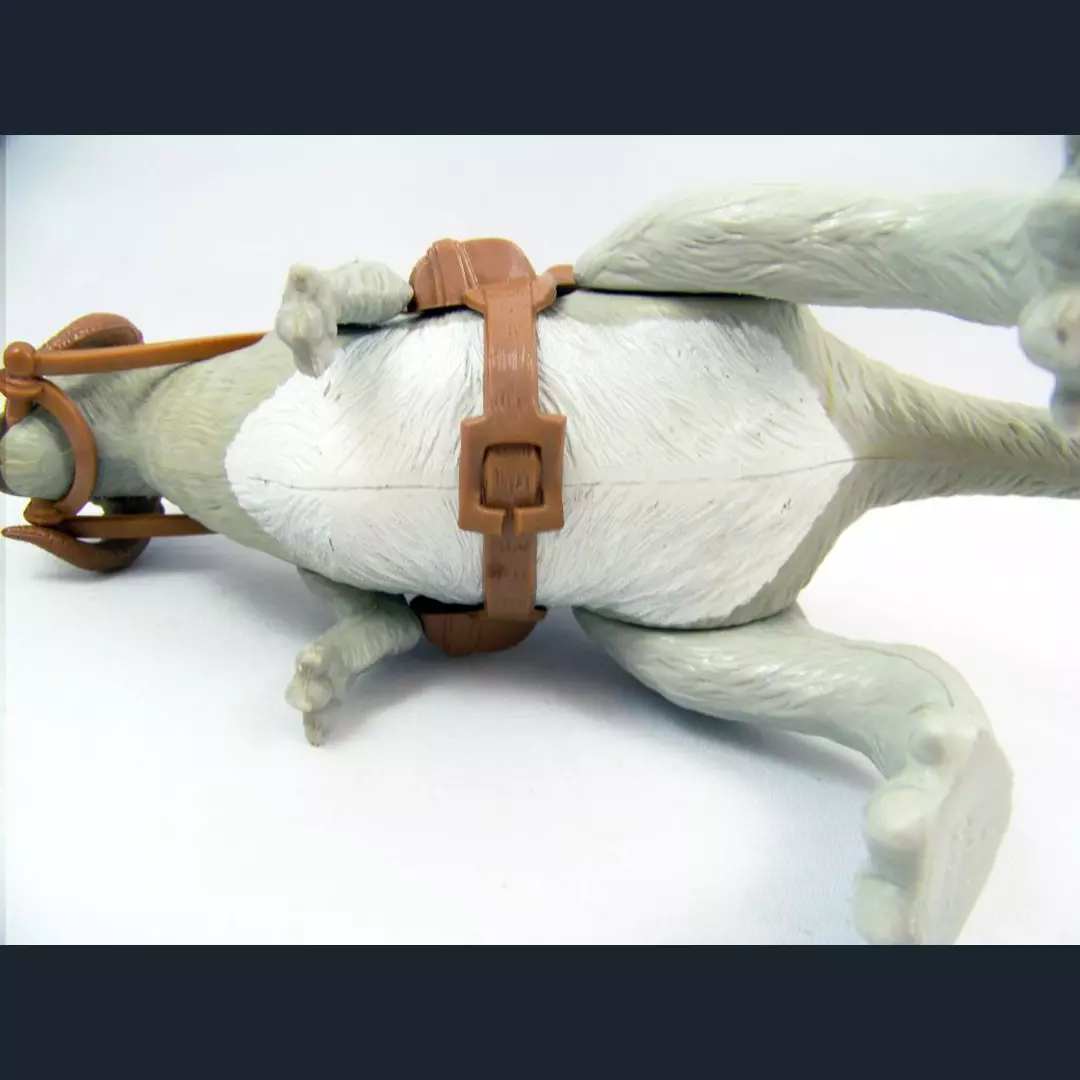
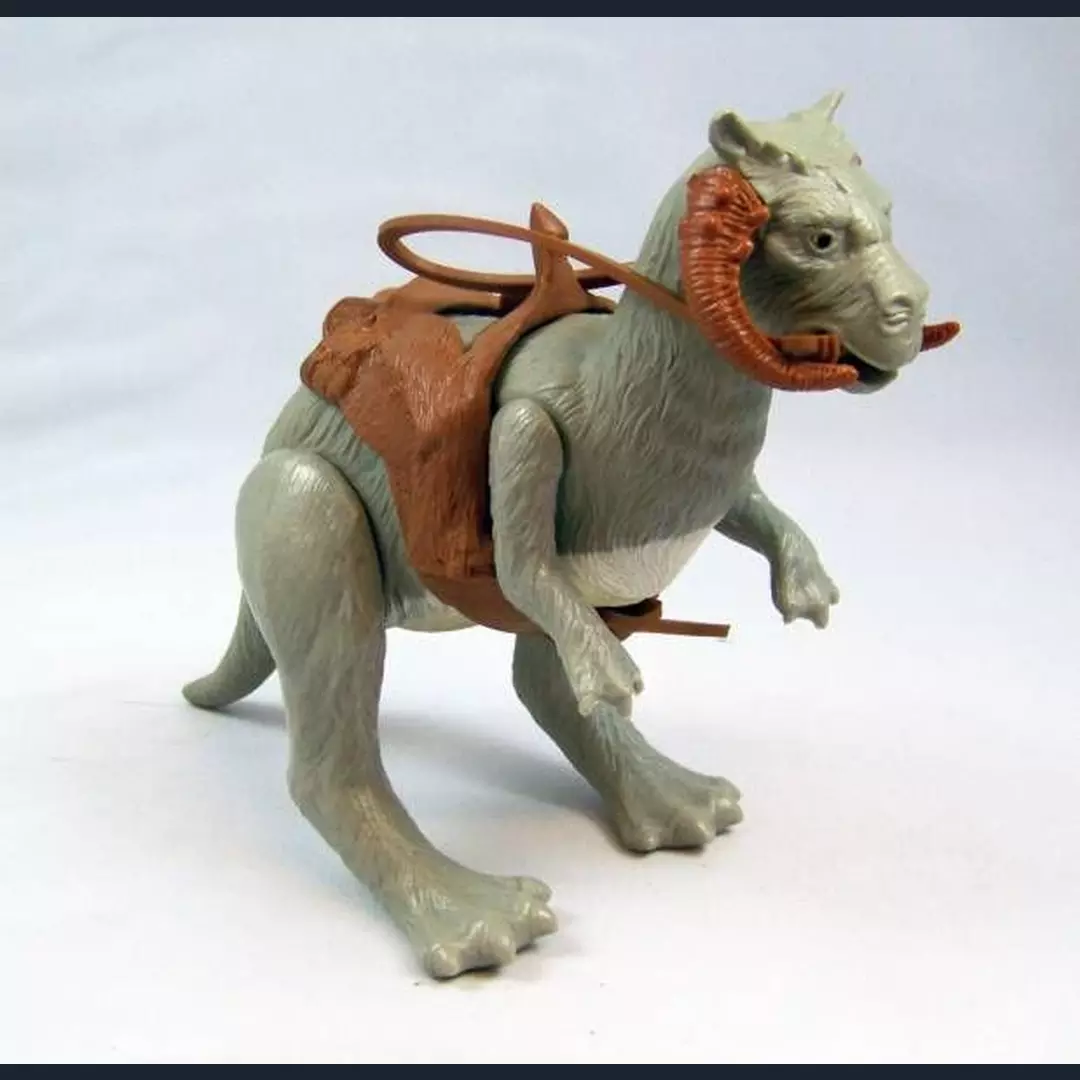
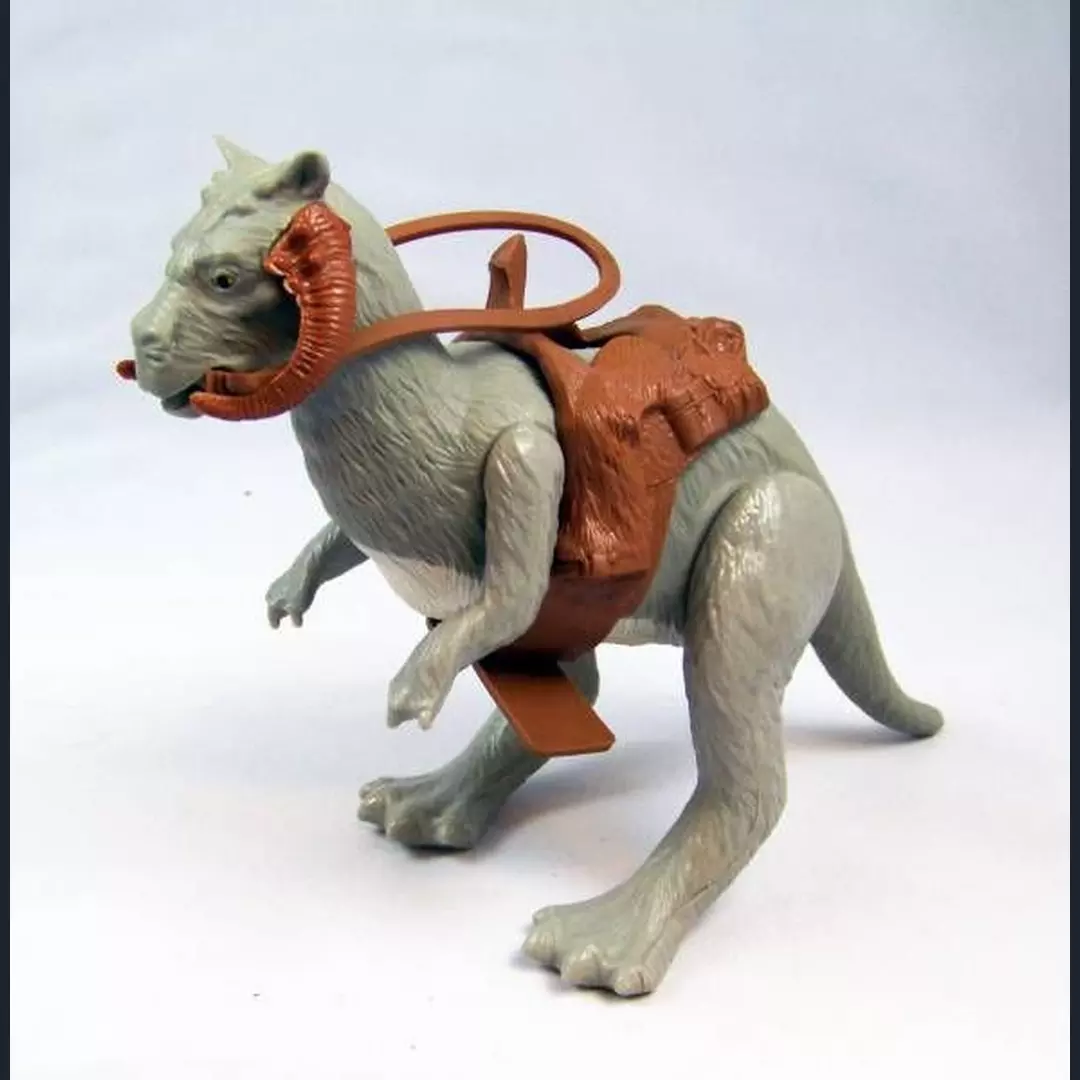
Lanzado en 1980 como parte de la línea de El Imperio Contraataca de Kenner, el Tauntaun se transformó rápidamente en una de las criaturas más queridas del universo Star Wars. Esta figura venía equipada con una montura, riendas y la mis escotilla diseñada para el Dewback que permitía insertar una figura de acción y simular que iba montada.
Con el paso del tiempo, tanto la montura como las riendas se han vuelto difíciles de encontrar en buen estado. Muchos ejemplares presentan reparaciones o faltantes, por lo que los coleccionistas deben prestar especial atención a estos detalles al adquirir uno.
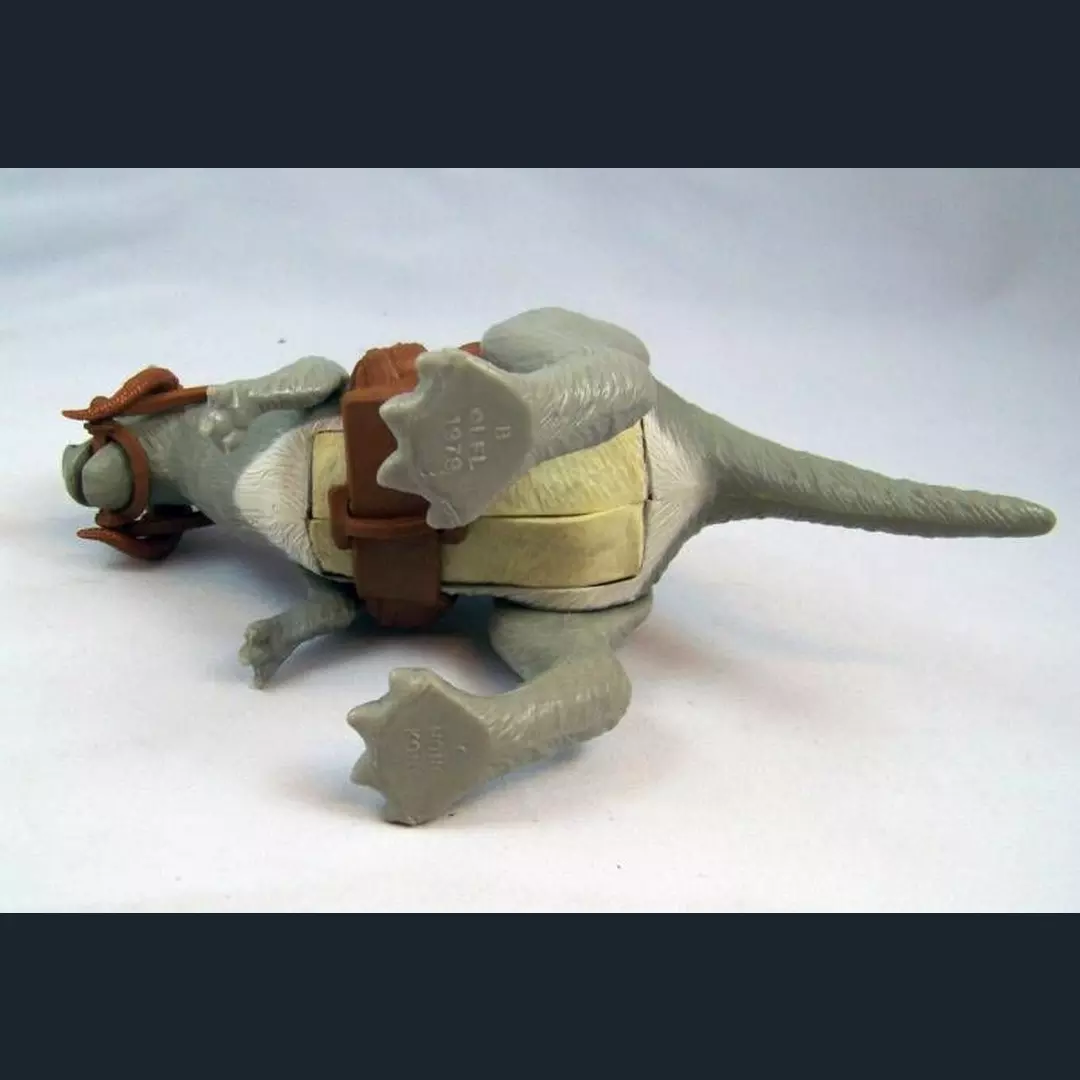
La primera versión de 1980 es conocida como el “Solid Belly”, con el vientre cerrado. En 1982, se lanzó una segunda edición que introdujo una función inolvidable: el “Open Belly”, que permitía recrear la escena en que Han Solo rescata a Luke Skywalker en el gélido Hoth, introduciéndolo en el vientre del Tauntaun para mantenerlo caliente.
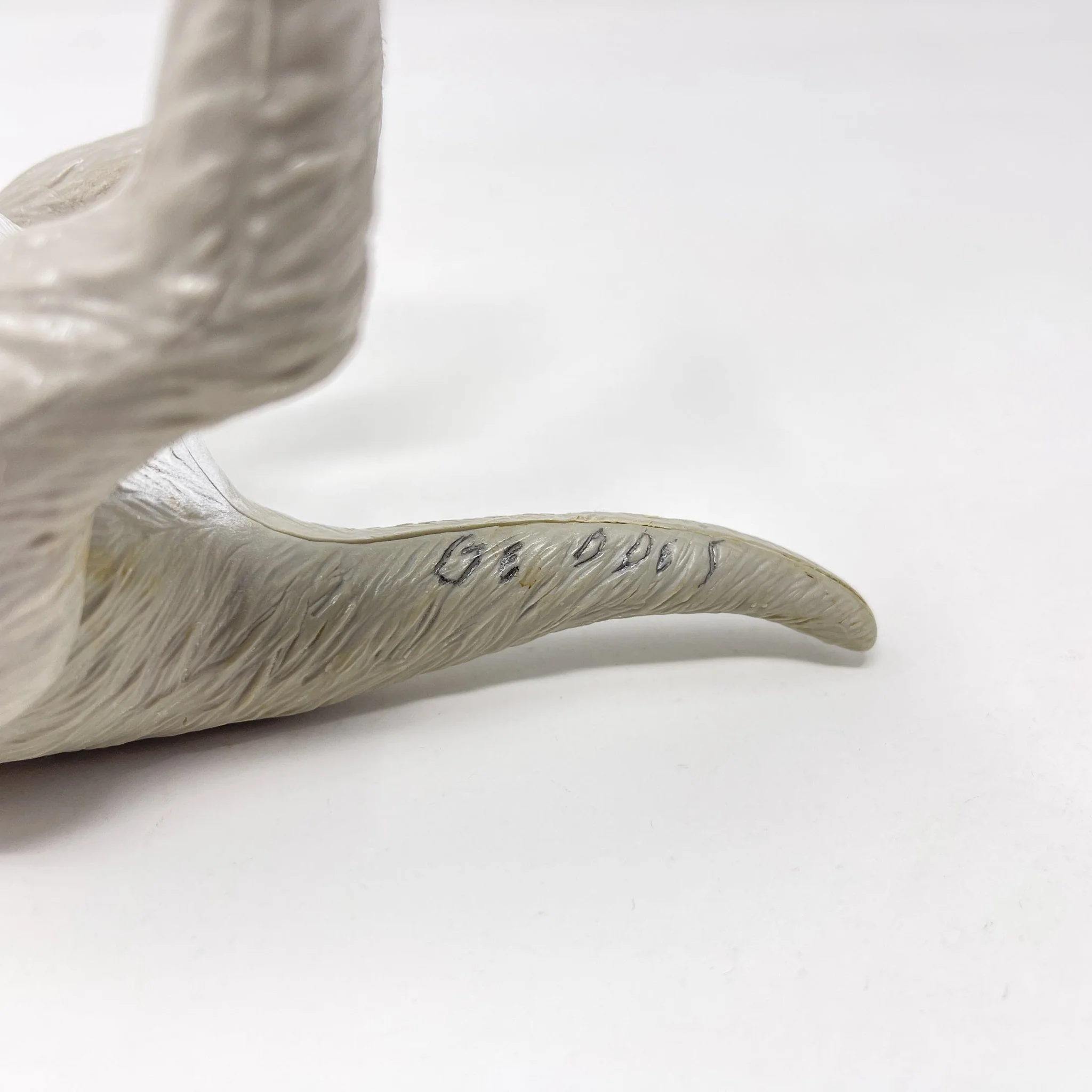
Ambos Tauntaun tiene la gracia de contar con la firma del escultor Geddes en su cola, de manera muy sutil, pero que si te fijas bien y sabes donde buscar, la encontrarás.
Dagobah Action Playset – ¡Usa la Fuerza, Luke!
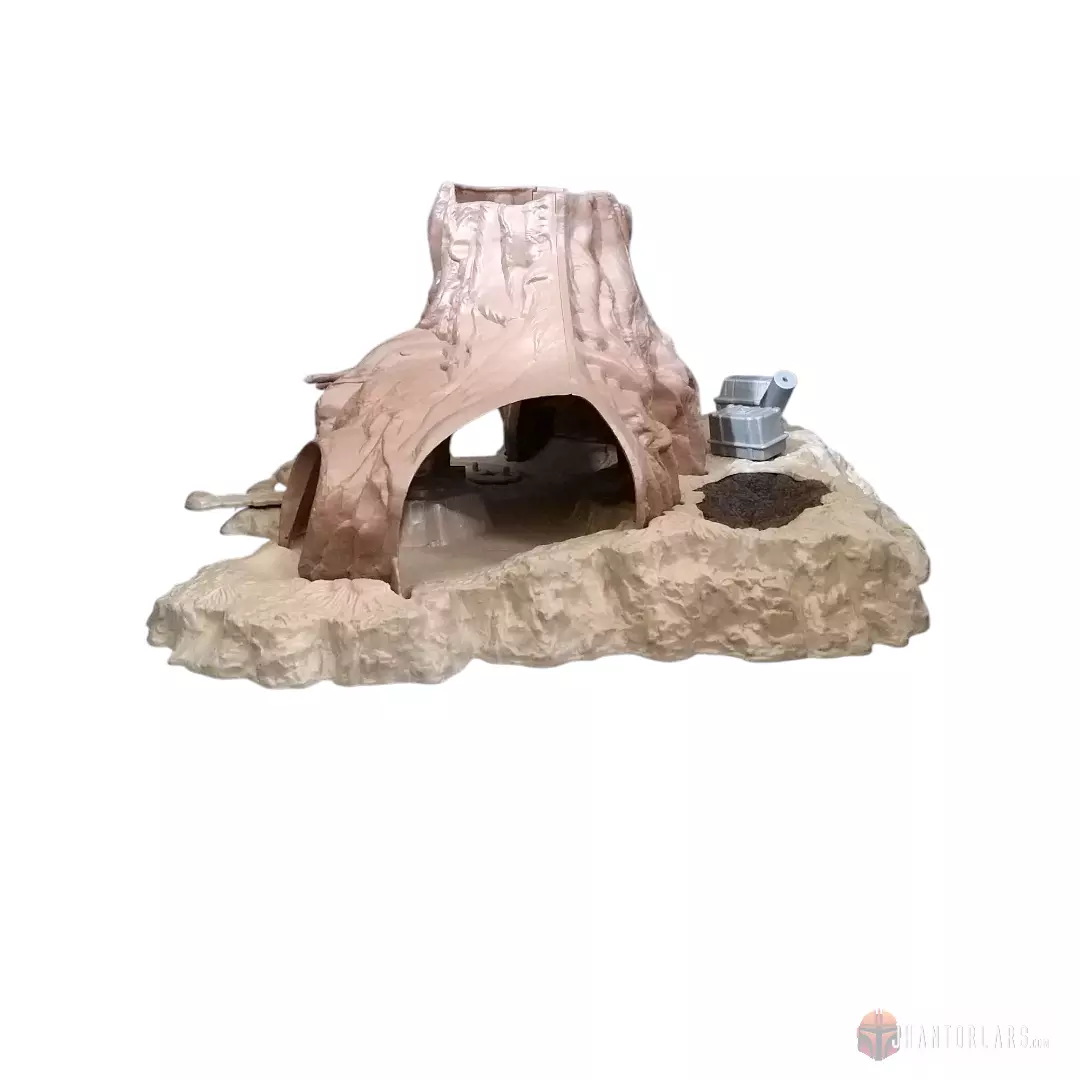
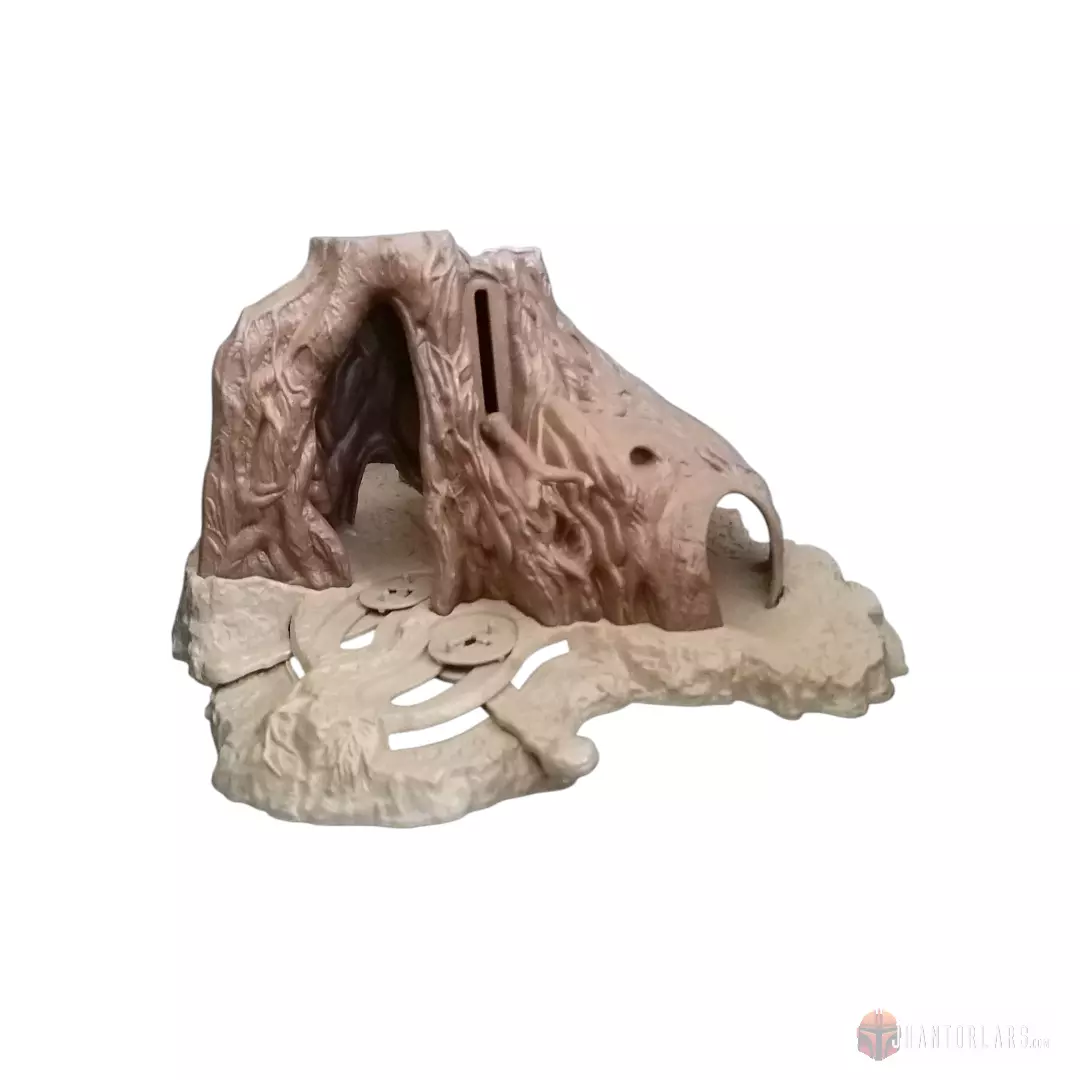
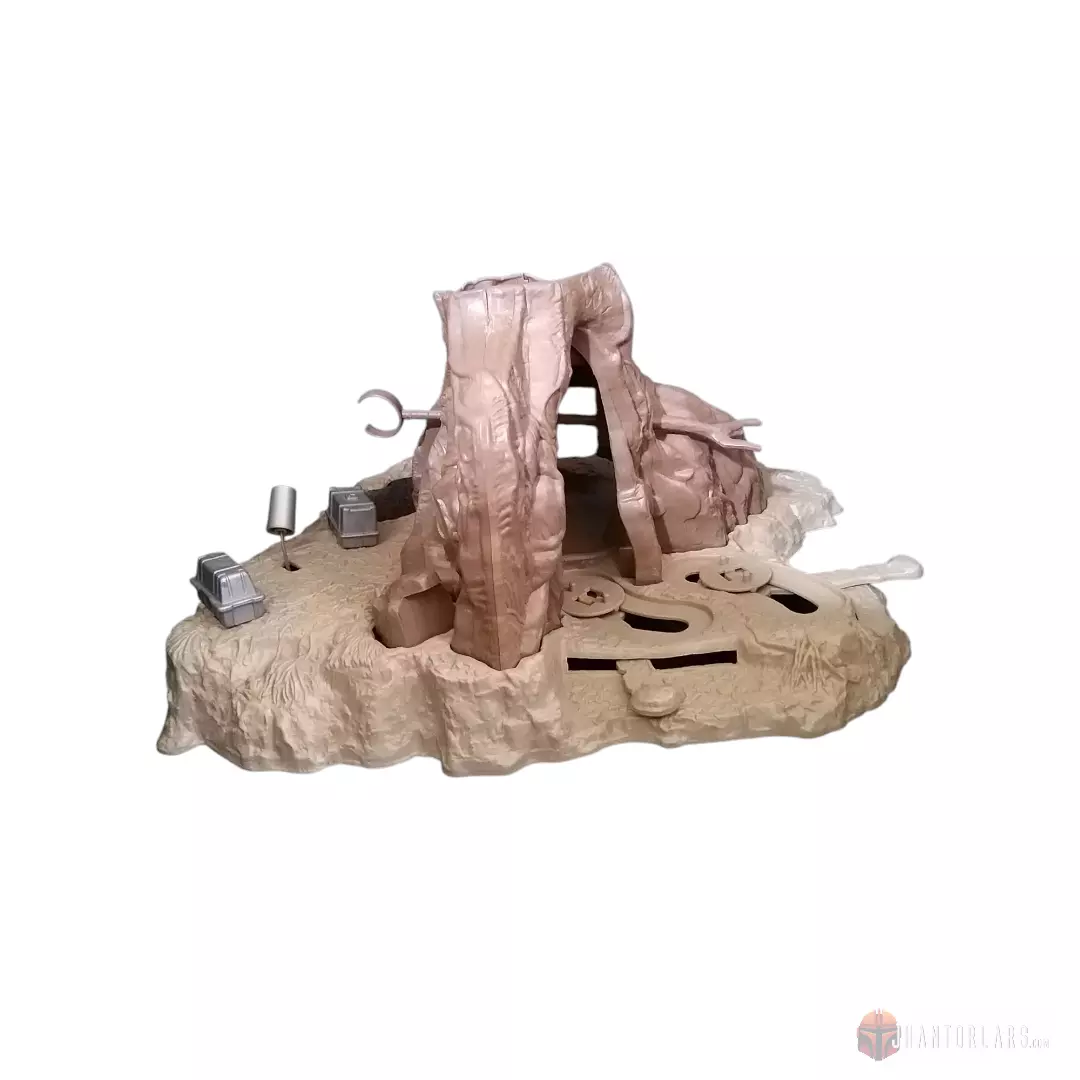
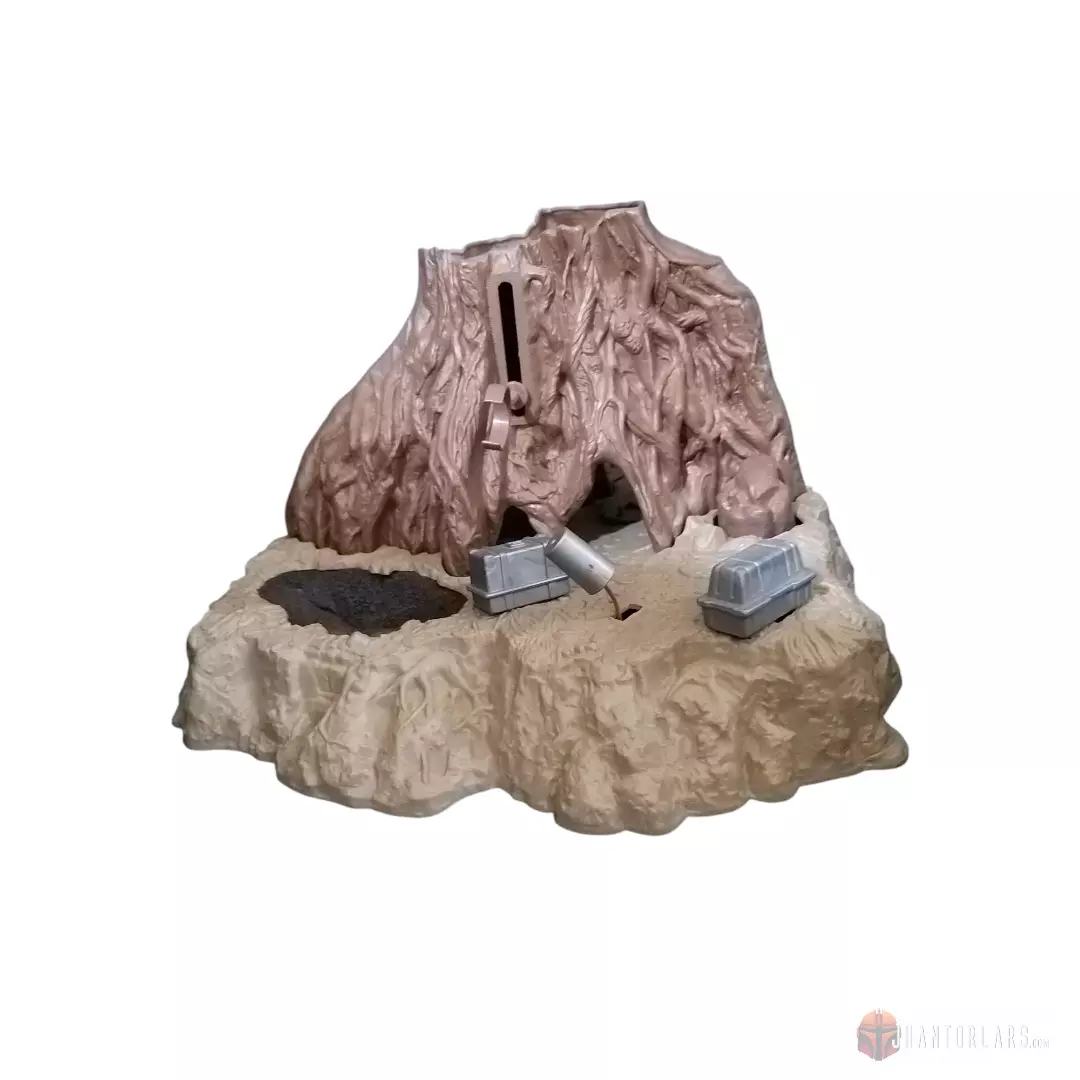
Lanzado en 1981 como parte de la línea de El Imperio Contraataca de Kenner, el Dagobah Action Playset nos transportaba al misterioso y pantanoso planeta donde Luke Skywalker entrenó con el maestro Yoda. Este set no sólo recreaba el hogar del Jedi más sabio, sino que además incluía funciones interactivas que despertaban la imaginación de cualquier niño… y aún hoy fascinan a los coleccionistas.
La característica estrella era la función de “levitación”, que permitía simular cómo Luke elevaba a R2-D2 y otros objetos usando la Fuerza. Gracias a una base con filamentos ocultos, los pequeños podían levantar un cilindro, dos cofres plateados y al propio R2-D2. Una verdadera joya de ingeniería juguetera para su época.
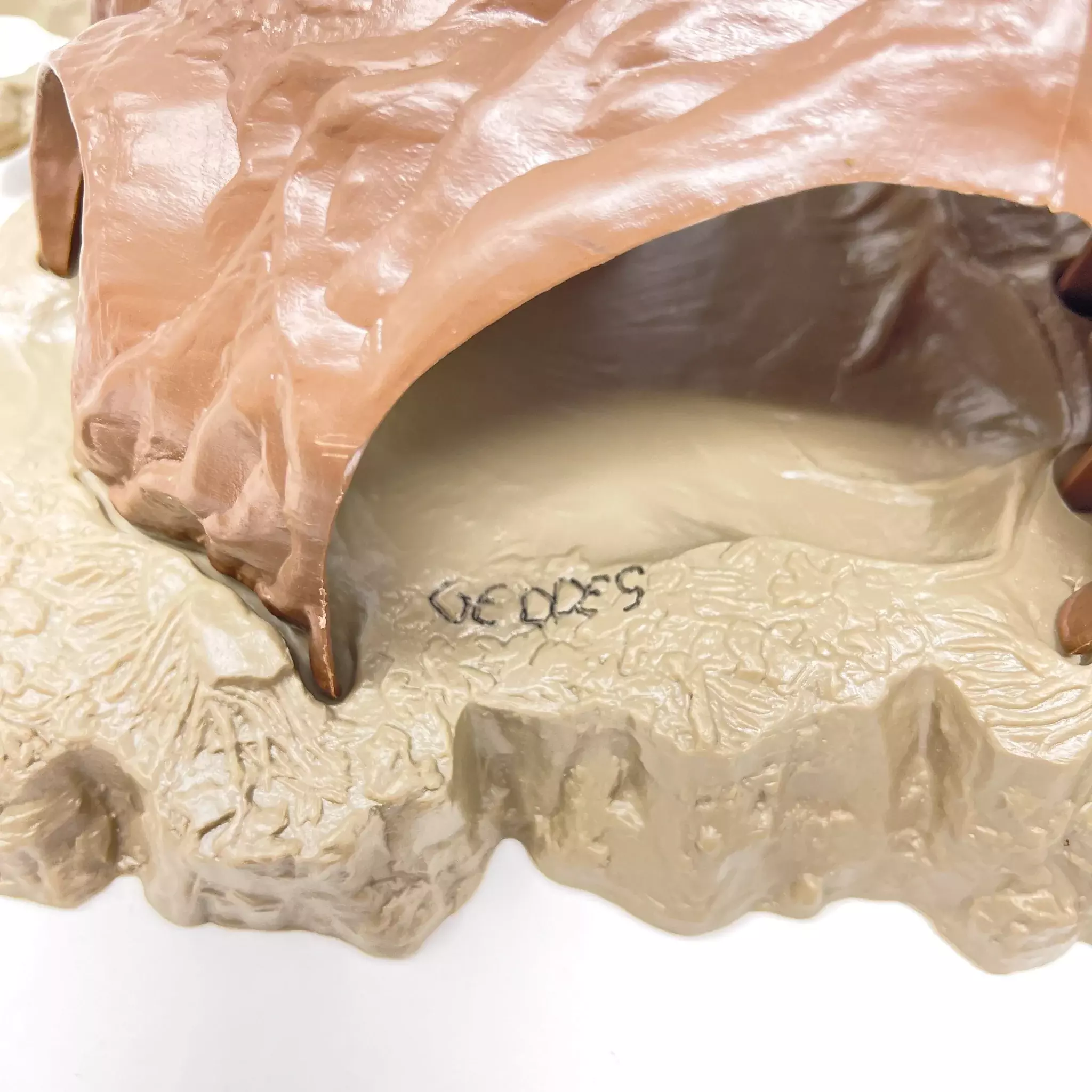
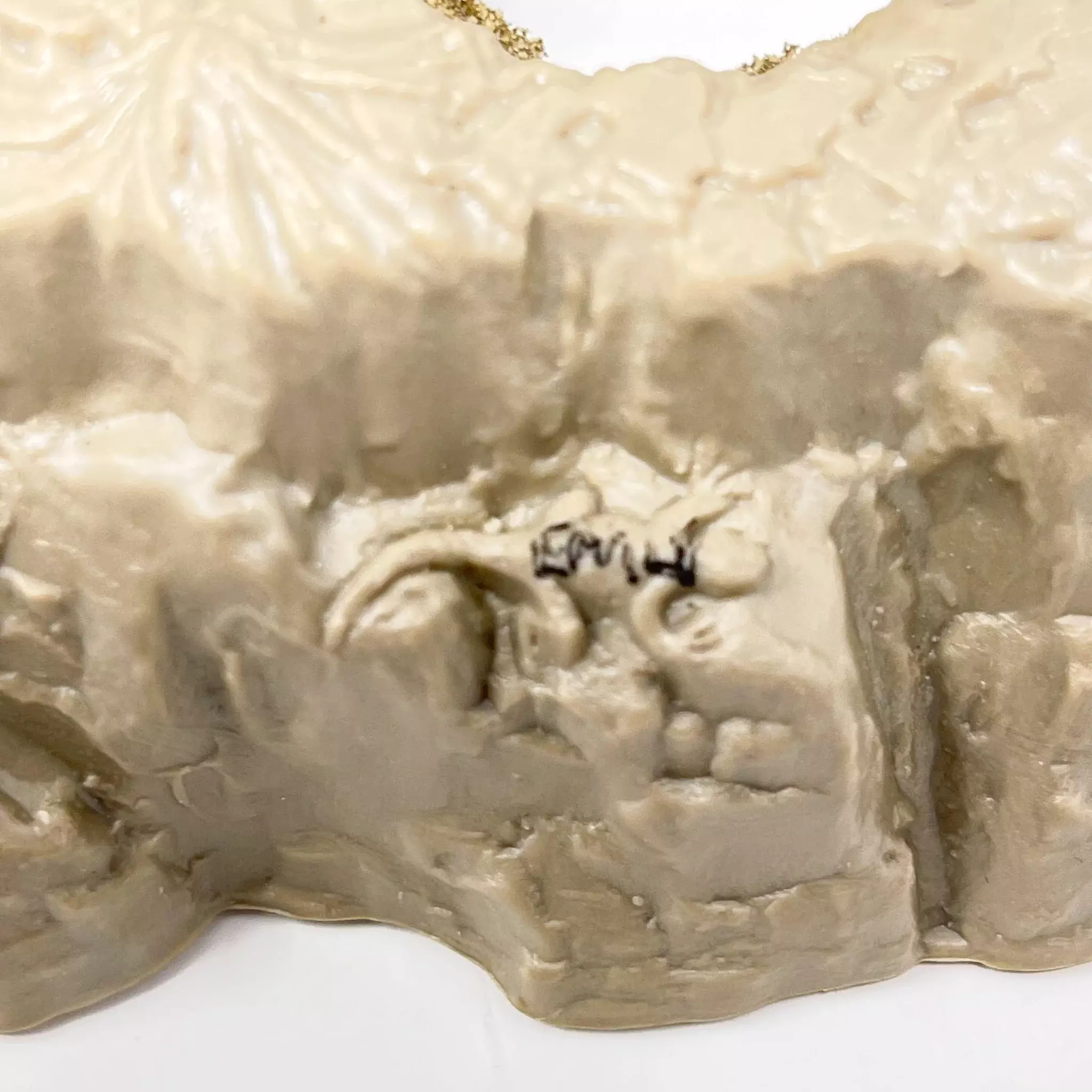
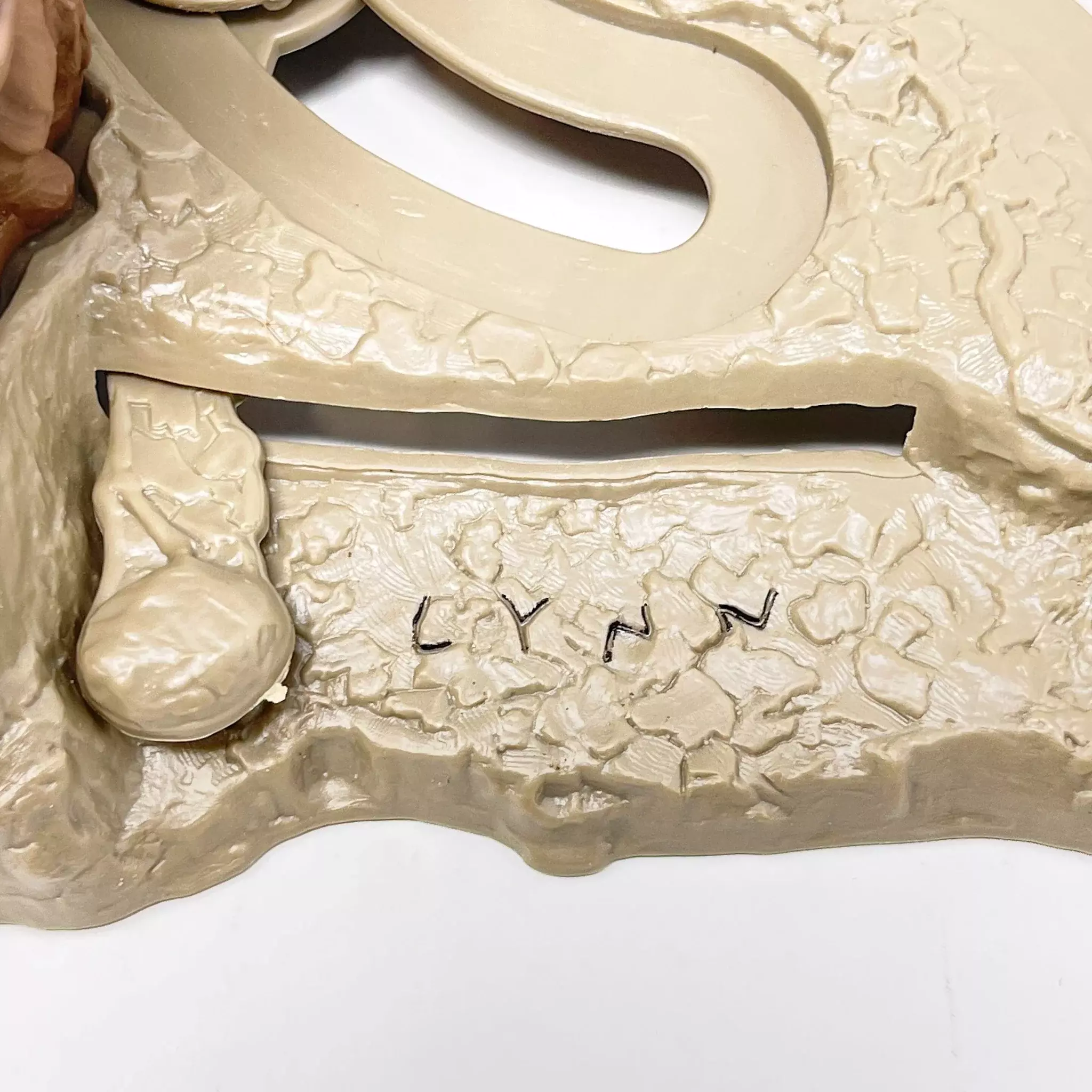
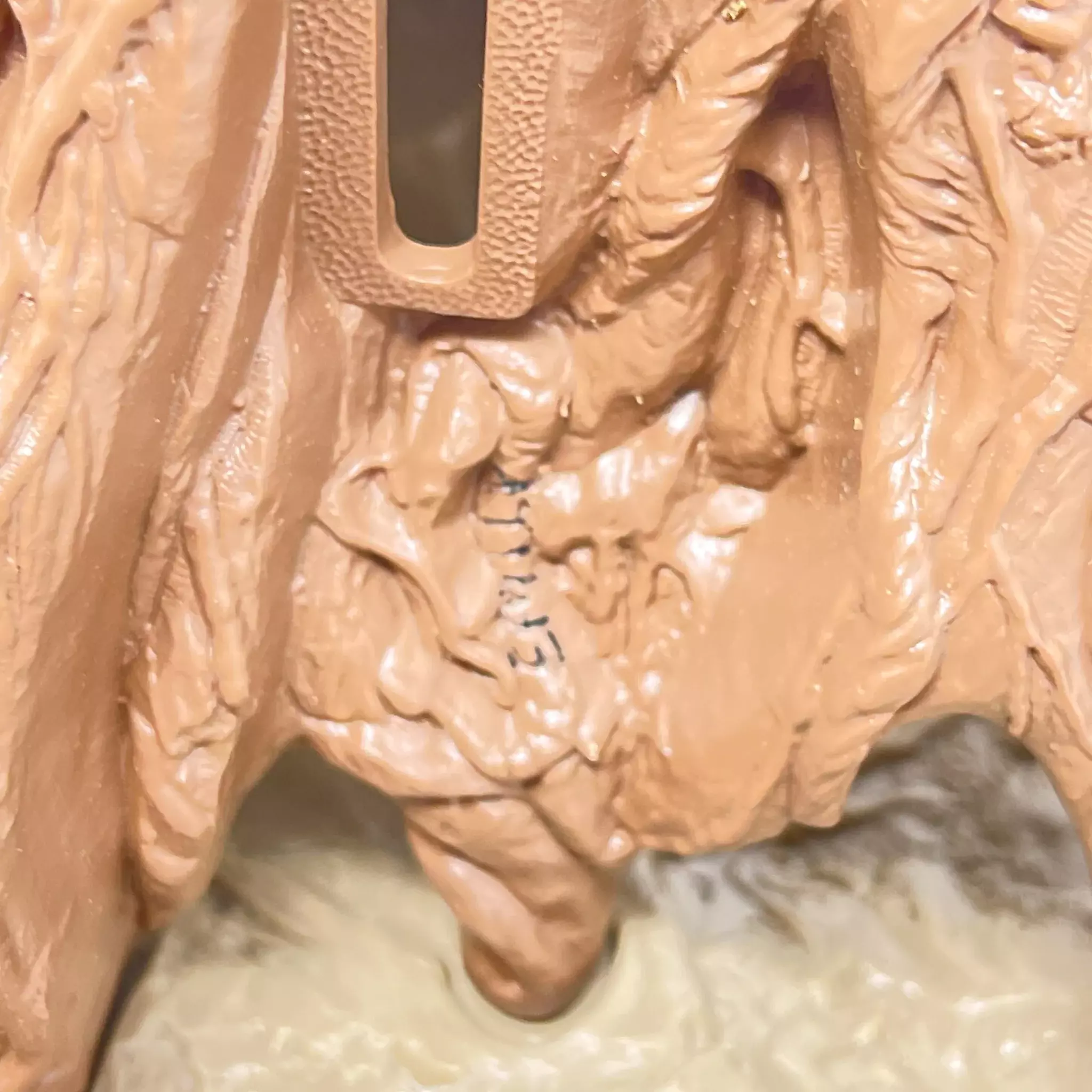
El playset de Dagobah no es sólo una representación magistral del hogar de Yoda… es una pieza profundamente personal. Stephen Geddes esculpió en las intrincadas enredaderas de la cabaña los nombres de su esposa e hija, ocultando entre raíces y lodo un homenaje íntimo que convierte a esta figura en una verdadera obra de arte con alma.
Entre 1981 y 1982, Kenner lanzó varias versiones de caja. La primera mostraba el logo de ESB en blanco y negro, que luego fue reemplazado por uno rojo, junto con ligeros ajustes en las ilustraciones. En 1982, se incorporó un “Jedi Training Backpack” como regalo promocional del Survival Kit. Las primeras cajas llevaban stickers anunciando el obsequio; las posteriores mostraban una foto de Luke con la mochila y una gráfica destacando el bonus junto a un R2-D2 actualizado.
Aunque hoy es común encontrar el playset suelto, muchos ejemplares carecen de partes clave como los cofres plateados, los mecanismos de levitación o la espuma que simulaba el lodo pantanoso de Dagobah, la cual con el tiempo se desintegra fácilmente.
El Rancor — Una Bestia Legendaria del Kennerverse
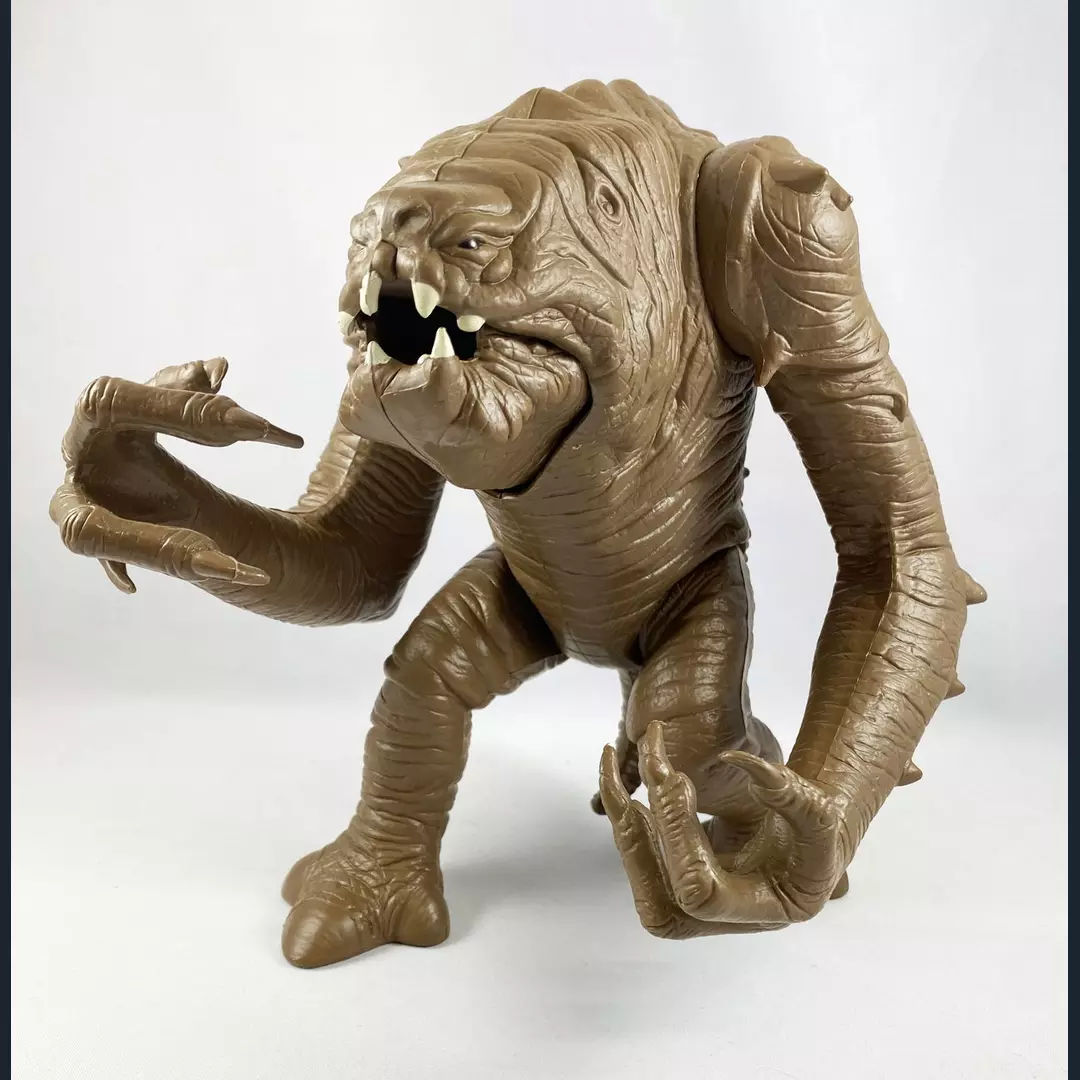
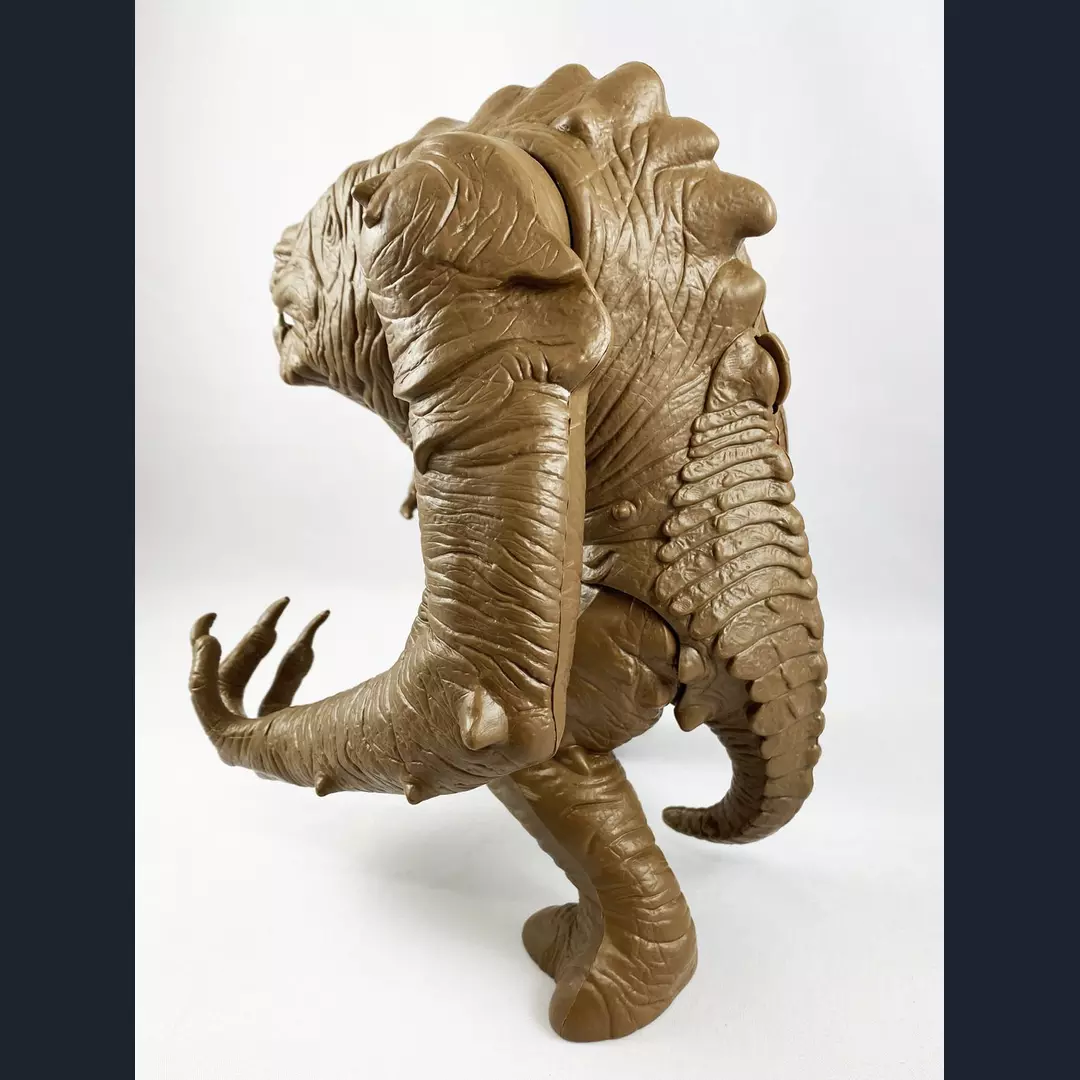
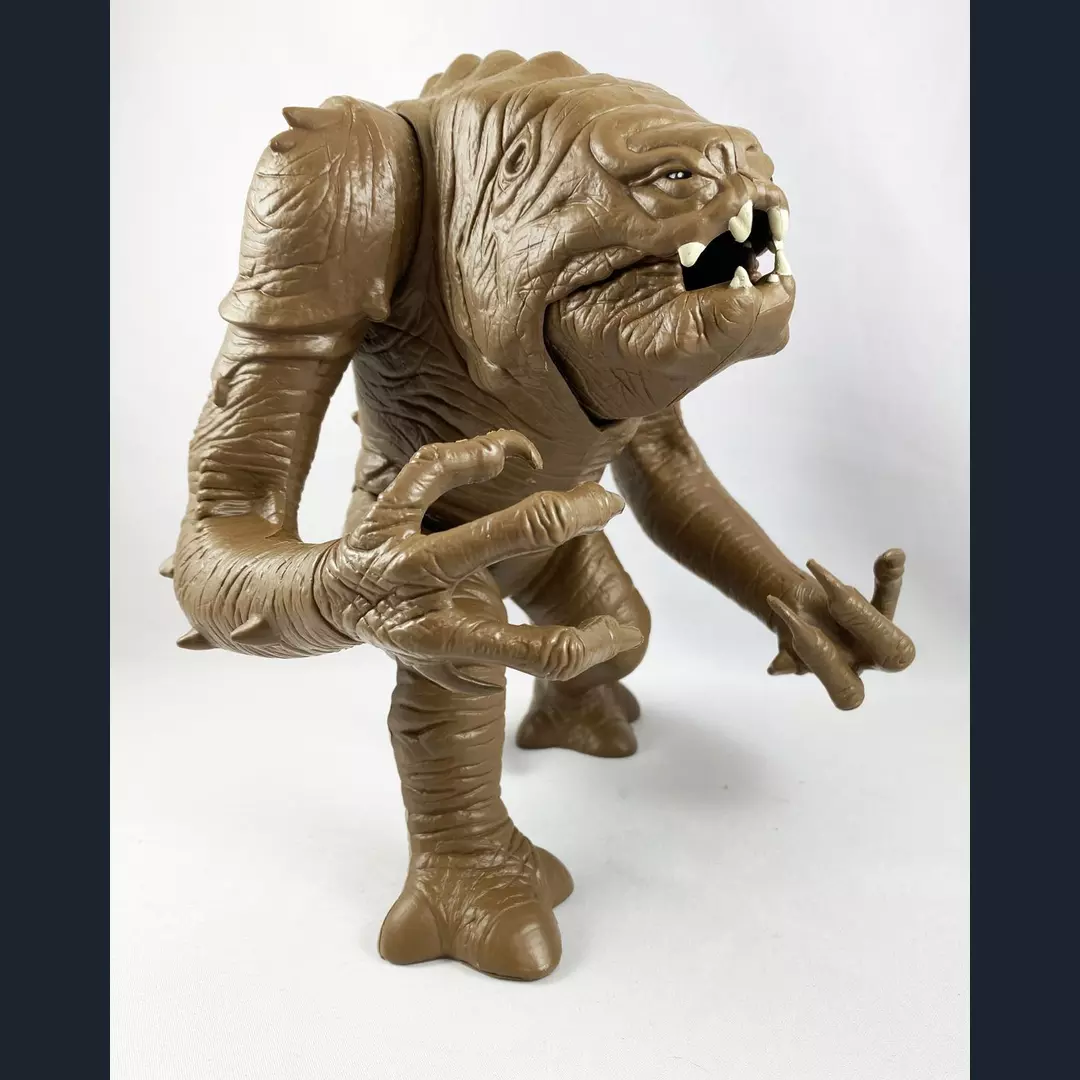
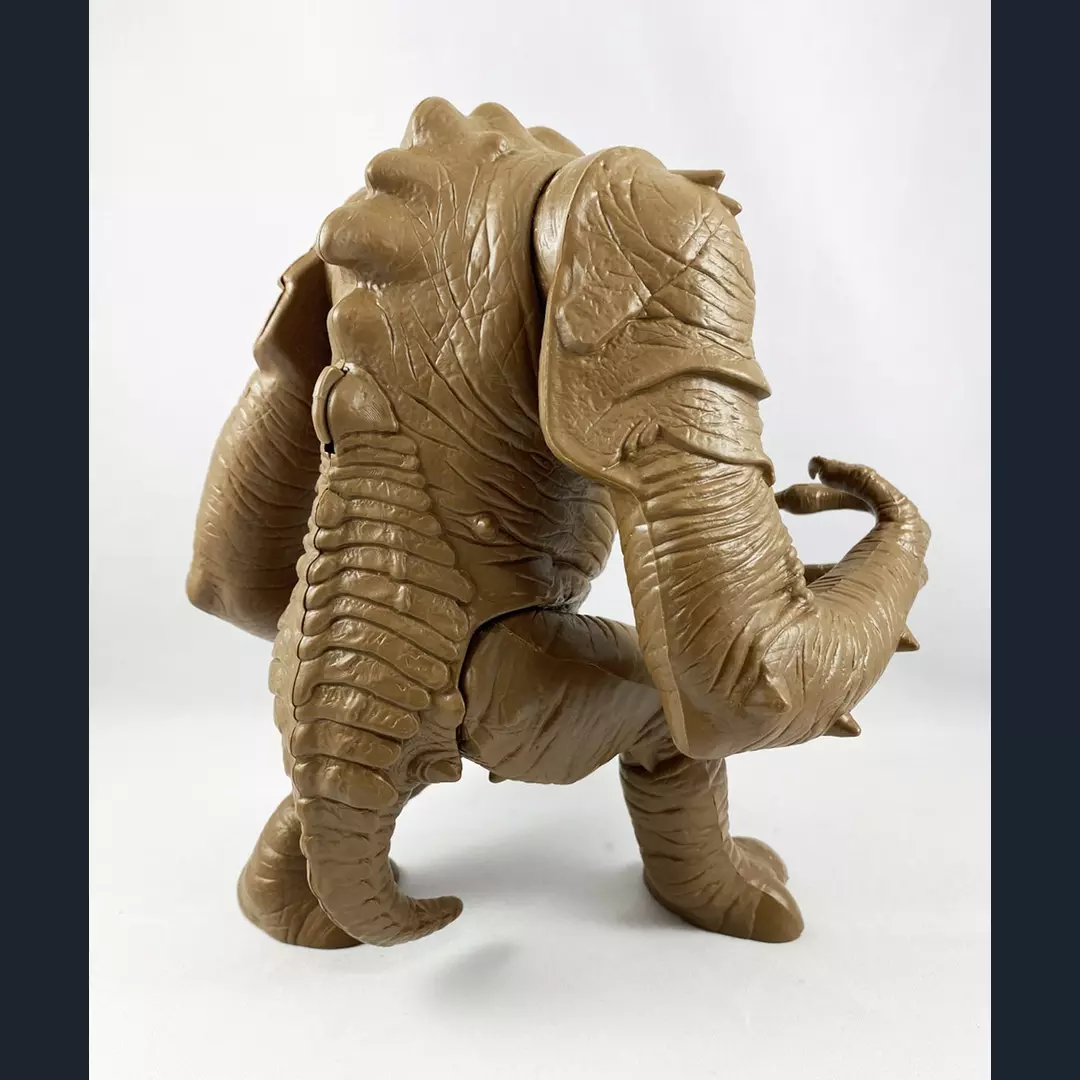
Lanzado en 1984 como parte de la línea de juguetes de El Retorno del Jedi, el Rancor de Kenner se convirtió de inmediato en una de las figuras más impactantes de la colección vintage de Star Wars. No sólo es la figura más grande de toda la línea clásica, sino que también destaca por su impresionante parecido con la marioneta original usada en la película.
El Rancor cuenta con mandíbula móvil activada por una palanca, muñecas giratorias, brazos y piernas articuladas, lo que lo convierte en una figura con gran presencia y jugabilidad.
Aunque no es extremadamente difícil de encontrar hoy en día, siempre ha sido una de las piezas más deseadas por coleccionistas. Su popularidad llevó a Hasbro, a fines de los 90, a lanzar una nueva versión más moderna con algunos cambios destacables, como una piel más blanda y detallada.
Más allá del juguete, los Rancors en el universo Star Wars son criaturas semi-sintientes, originarias de Dathomir, pero también presentes en mundos como Felucia, Tatooine y Koboh. A pesar de su fama de bestias brutales, eran capaces de formar lazos afectivos con sus entrenadores. En las producciones audiovisuales se puede ver esto en la serie The Book of Boba Fett, donde el querido Boba Fett ocupa una de esta bestias como su aliado en combate.
Between 1977 and 1985, Stephen Geddes was not only part of toy history… he sculpted it with his own hands. As an in‑house sculptor at Kenner during the rise of Star Wars, Geddes was responsible for shaping many of the most iconic vintage figures that marked generations of fans. His legacy includes unforgettable pieces such as the 12‑inch Ben Kenobi, the trash‑compactor monster Dianoga, the Dagobah playset, the Taun‑Taun (Close and Open), the Rancor, the Dewback, the Yoda hand puppet, and several characters: Walrus Man, Death Star Droid, Luke (Hoth), Rebel Commander, AT‑AT Commander, Han Solo (Bespin), Lando (Bespin), Bespin Guard (Black), Luke (Jedi), Bib Fortuna, Chief Chirpa, Anakin Skywalker, Han Solo (Carbonite) and Imperial Dignitary.
Geddes joined Kenner at the exact moment the company secured the rights to produce toys based on the galactic saga. His first challenge was creating the terrifying Dianoga from the Death Star trash compactor. From there, his talent expanded across the entire galaxy. He worked sculpting figures, creating molds and prototypes for the original Star Wars line, and also contributed to other legendary franchises such as Indiana Jones, Strawberry Shortcake, Care Bears, and Alien.
After leaving Kenner in 1985, his talent continued to leave its mark at companies like LJN (ThunderCats), AmToy (Mad Balls) and Hasbro (G.I. Joe, Indiana Jones). In 1995 he joined Warner Brothers Toy Company, which later became the independent N2, where he developed collectible lines such as Starting Lineup, Space Jam, Frazetta Figurines and Looney Tunes.
Originally from Wisconsin, Geddes studied Art Education and later earned an MFA in Sculpture. His passion for art led him to teach, but also to inspire new generations from his workshop in New Jersey, where he still continues sculpting figures for the dreamers of tomorrow.
Stephen Geddes is far more than a sculptor: he is an architect of the childhood imagination of the 1980s. And his work lives on in every vintage figure that continues to inspire collectors around the world.
Patrol Dewback – The Desert Lizard That Won Fans Over
Although it appeared only briefly in Star Wars: A New Hope, Kenner’s Patrol Dewback, originally released in 1978, earned a prominent place in vintage collecting history. Why? Its constant presence in promotional material of the era — such as classic trading cards and catalogs — made it an unforgettable figure for those who grew up with the original trilogy.
The toy included a clever feature that allowed an action figure to be inserted through a hatch on its back, simulating a mounted rider; a mechanical action that moved the tail when the head was turned; and a saddle with rubber reins. Over the years, these accessories have become very difficult to find in good condition. If you’re looking for one for your collection, make sure the saddle and reins are intact and without obvious glue repairs.
In 1984, Kenner reissued it as part of its Collector Series, with some minor packaging changes, such as a prominent red star on the box. Although it never appeared in a The Empire Strikes Back box in the U.S., there was a Canadian version that, on some occasions, even included a stormtrooper figure.
The Dewback is one of those cases where an appealing design — more than screen time — granted it immortality. Today, it remains a highly valued piece among Kennerverse collectors around the world.
The Tauntaun – A Legend of the Ice Fields of Hoth
Released in 1980 as part of Kenner’s The Empire Strikes Back line, the Tauntaun quickly became one of the most beloved creatures in the Star Wars universe. This figure came equipped with a saddle, reins, and the same hatch designed for the Dewback, allowing an action figure to be inserted and posed as if riding.
Over time, both the saddle and the reins have become difficult to find in good condition. Many examples show repairs or missing parts, so collectors must pay close attention to these details when acquiring one.
The first 1980 version is known as the “Solid Belly”, featuring a closed belly. In 1982, a second edition was released that introduced an unforgettable feature: the “Open Belly”, which allowed fans to recreate the scene in which Han Solo rescues Luke Skywalker on the frozen plains of Hoth, placing him inside the Tauntaun’s belly to keep him warm.
Both Tauntaun versions have the delightful detail of featuring sculptor Geddes’ signature on the tail—very subtle, but if you look closely and know where to search, you’ll find it.
Dagobah Action Playset – Use the Force, Luke!
Released in 1981 as part of Kenner’s The Empire Strikes Back line, the Dagobah Action Playset transported fans to the mysterious, swampy planet where Luke Skywalker trained with Master Yoda. This set not only recreated the home of the wisest Jedi, but also included interactive features that sparked the imagination of any child… and still fascinate collectors today.
The star feature was the “levitation” function, which allowed fans to simulate how Luke lifted R2‑D2 and other objects using the Force. Thanks to a base with hidden filaments, kids could raise a cylinder, two silver chests, and R2‑D2 himself. A true piece of toy‑engineering brilliance for its time.
The Dagobah playset is not only a masterful representation of Yoda’s home… it is also a deeply personal piece. Stephen Geddes sculpted the names of his wife and daughter into the intricate vines of the hut, hiding an intimate tribute among roots and swamp mud that turns this figure into a true work of art with a soul.
Between 1981 and 1982, Kenner released several box variations. The first featured the ESB logo in black and white, later replaced by a red version, along with slight adjustments to the illustrations. In 1982, a “Jedi Training Backpack” was added as a promotional gift from the Survival Kit. Early boxes carried stickers announcing the bonus; later ones showed a photo of Luke wearing the backpack and a graphic highlighting the bonus next to an updated R2‑D2.
Although it is common today to find the playset loose, many examples are missing key parts such as the silver chests, the levitation mechanisms, or the foam that simulated Dagobah’s swamp mud — which easily disintegrates over time.
The Rancor — A Legendary Beast of the Kennerverse
Released in 1984 as part of the Return of the Jedi toy line, Kenner’s Rancor immediately became one of the most striking figures in the vintage Star Wars collection. Not only is it the largest figure in the entire classic line, but it also stands out for its impressive resemblance to the original puppet used in the film.
The Rancor features a movable jaw activated by a lever, rotating wrists, articulated arms and legs, making it a figure with great presence and playability.
Although it is not extremely difficult to find today, it has always been one of the most sought‑after pieces among collectors. Its popularity led Hasbro, in the late ’90s, to release a newer, more modern version with notable changes, such as softer and more detailed skin.
Beyond the toy, Rancors in the Star Wars universe are semi‑sentient creatures native to Dathomir, but also found on worlds like Felucia, Tatooine, and Koboh. Despite their reputation as brutal beasts, they were capable of forming emotional bonds with their handlers. This can be seen in the series The Book of Boba Fett, where the beloved Boba Fett uses one of these beasts as his ally in combat.