Jim Swearingen, el prócer de Kenner que apostó por una galaxia muy, muy lejana
Dos años antes del estreno de Star Wars, Marc Pevers —entonces vicepresidente de licencias en 20th Century Fox— quiso vender los derechos de juguetes de una película que aún nadie había visto, pero George Lucas se negó a esa posibilidad por temor a que hubiera filtración de su material y hubiera copias de naves y otros antes de presentar su obra. Por este motivo, recién se iniciaron las conversaciones 6 meses antes del estreno. Pevers intentó negociar con Mattel, Hasbro y Parker Brothers, pero todas estas rechazaron la propuesta sin dudarlo. Nadie imaginaba el fenómeno que estaba por venir.
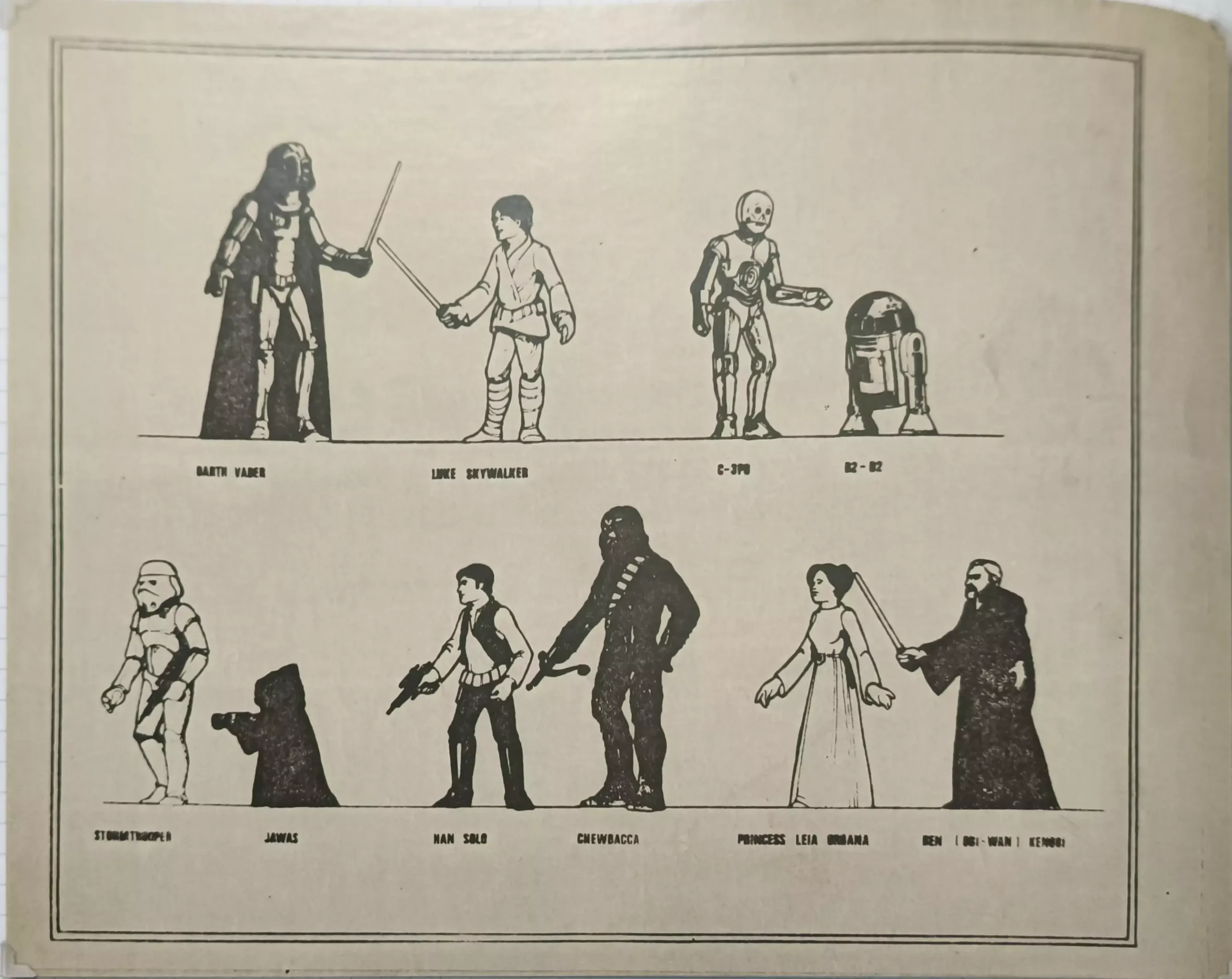
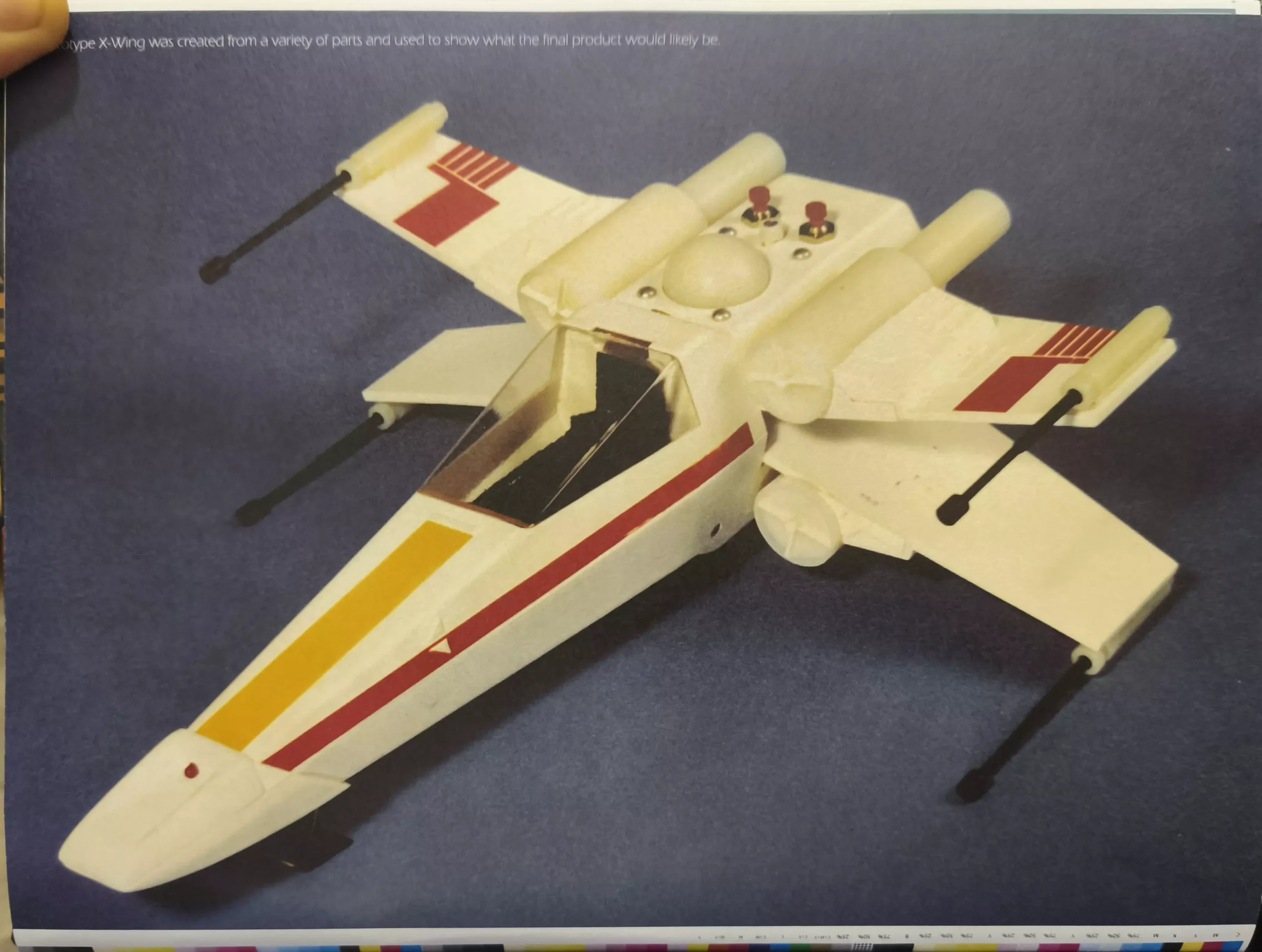
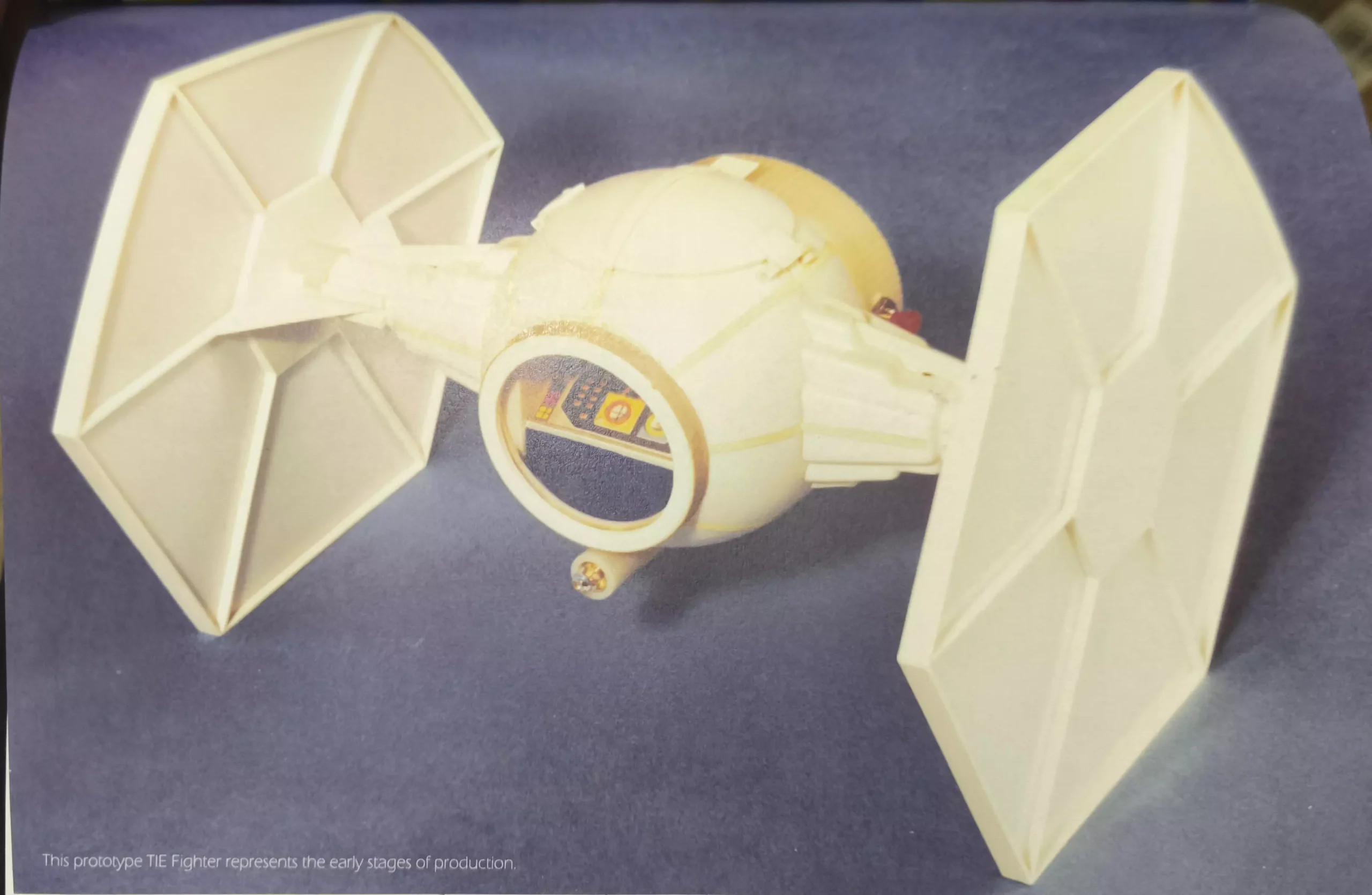
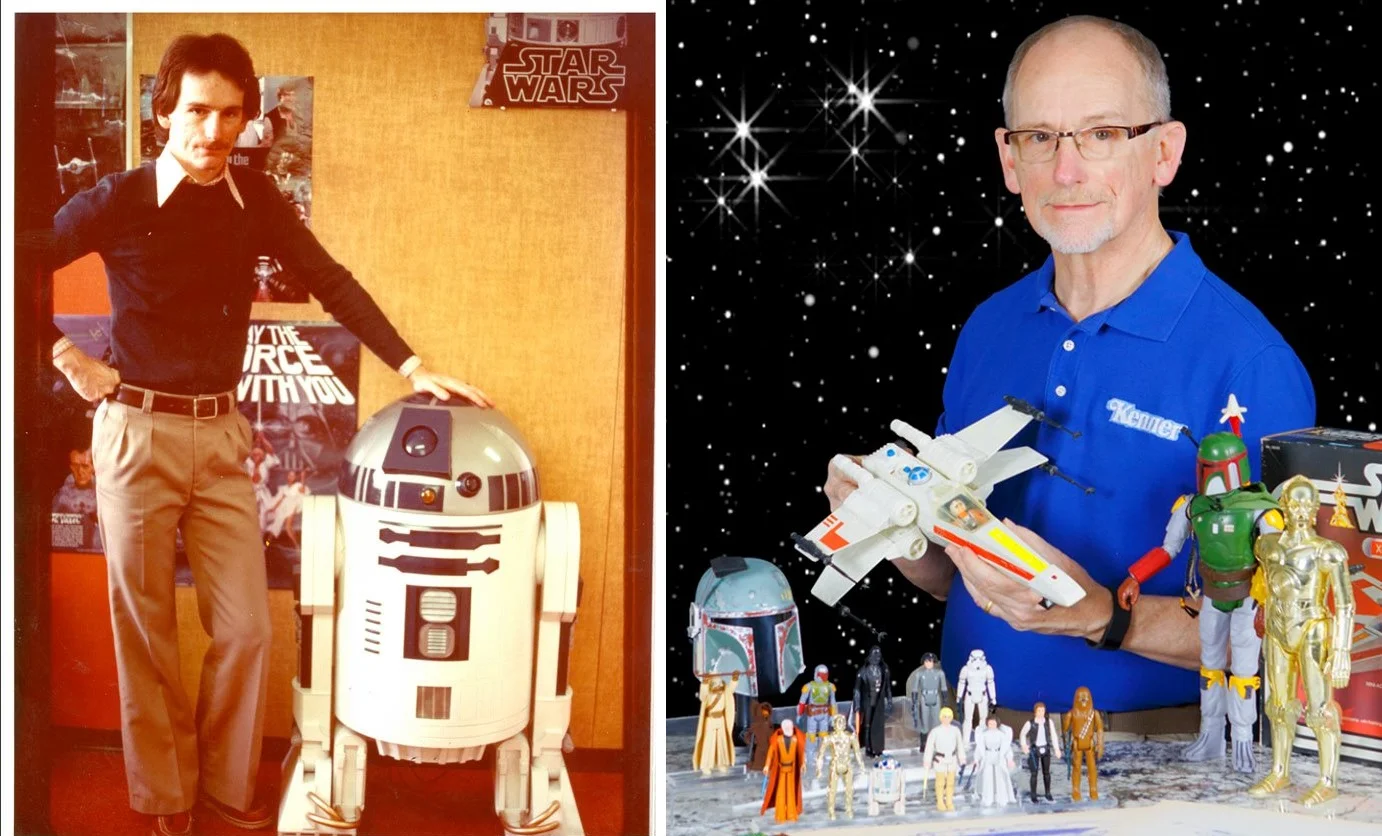
En el piso 11 del edificio Kruger, en Cincinnati, un grupo de creativos de Kenner decidió escuchar. El principal, Jim Swearingen, un joven diseñador y fanático de la ciencia ficción. Pevers le entregó el guion de la película junto con fotos promocionales en blanco y negro. Tras leerlo, Jim comprendió que ahí había algo especial. Su jefe, Dave Okada, también se contagió del entusiasmo. Todo el equipo coincidió: tenían que hacerlo, aunque el tiempo jugaba en su contra. El proceso de diseño, licencias, prototipos y pruebas requería al menos un año… y sólo quedaban seis meses. En el camino, se hicieron prototipos del Tie-Fighter y el X-Wing sin tener mayor información ni detalles.
Sin acuerdo legal aún, Kenner siguió adelante, impulsados por pura intuición. Jim Swearingen viajó a ILM y se reunión con Lippincott (vicepresidente de Marketing, Publicidad, Promoción y Mercaderías en Lucasfilm). Ahí, revisaron blueprints de X-Wings y TIE Fighters, así como dibujos de la Estrella de la Muerte. Lippincott le ofreció lo necesario que necesitara y que luego se lo enviarían a Kenner. Así también conoció material inédito que aún estaba en producción (la mítica primera escena de combate que abre la película y la saga de Star Wars). Con todo, Jim conformó un listado preliminar de personajes y criaturas que podrían transformarse en figuras de acción:
Luke Skywalker
Princess Leia Organa
C-3PO (See-Threepio)
R2D2 (Artoo-Detoo)
Han Solo
Chewbacca
Ben (Obi-Wan) Kenobi
Darth Vader
Stormtrooper
Grand Moff Tarkin
General Motti
General Taggi
Tusken Raider (Sand People) *En el listado original aparece escrito como Tuskin
Bantha
Jawa
General Dodonna
General Willard
Uncle Owen Lars
Aunt Beru Lars
Rebel Pilots:
Wedge
Biggs
John D.
Porkin
Cantina Musicians
Cantina Patrons/misc.
Jabba *Curiosa la aparición de Jabba. Seguramente aparece en una fotografía de filmación.
Death Star Tech.
Rebel Ships:
X-Wing Fighter
Y-Wing Fighter
Rebel Blockade Runner
Millenium Falcon
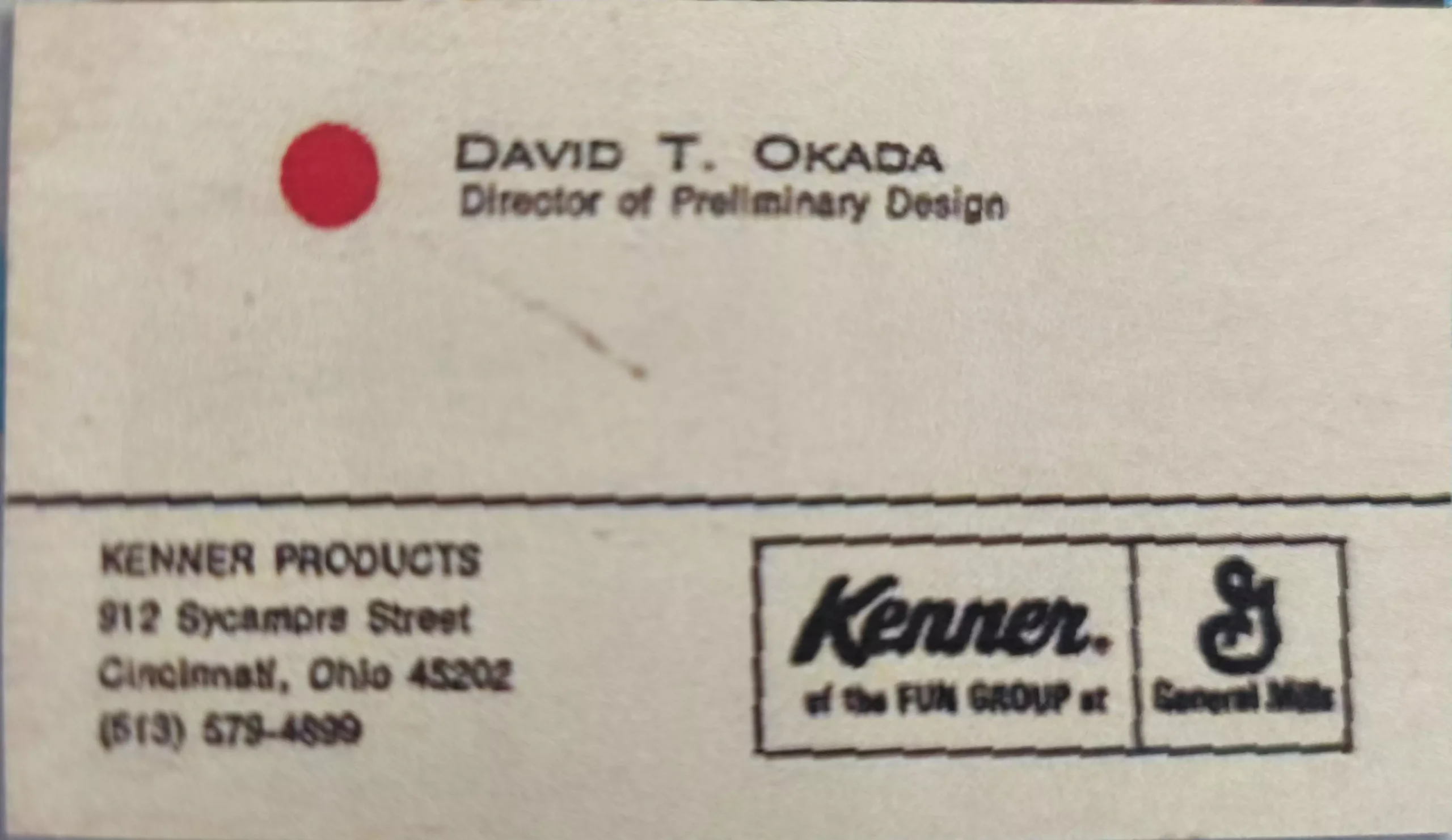
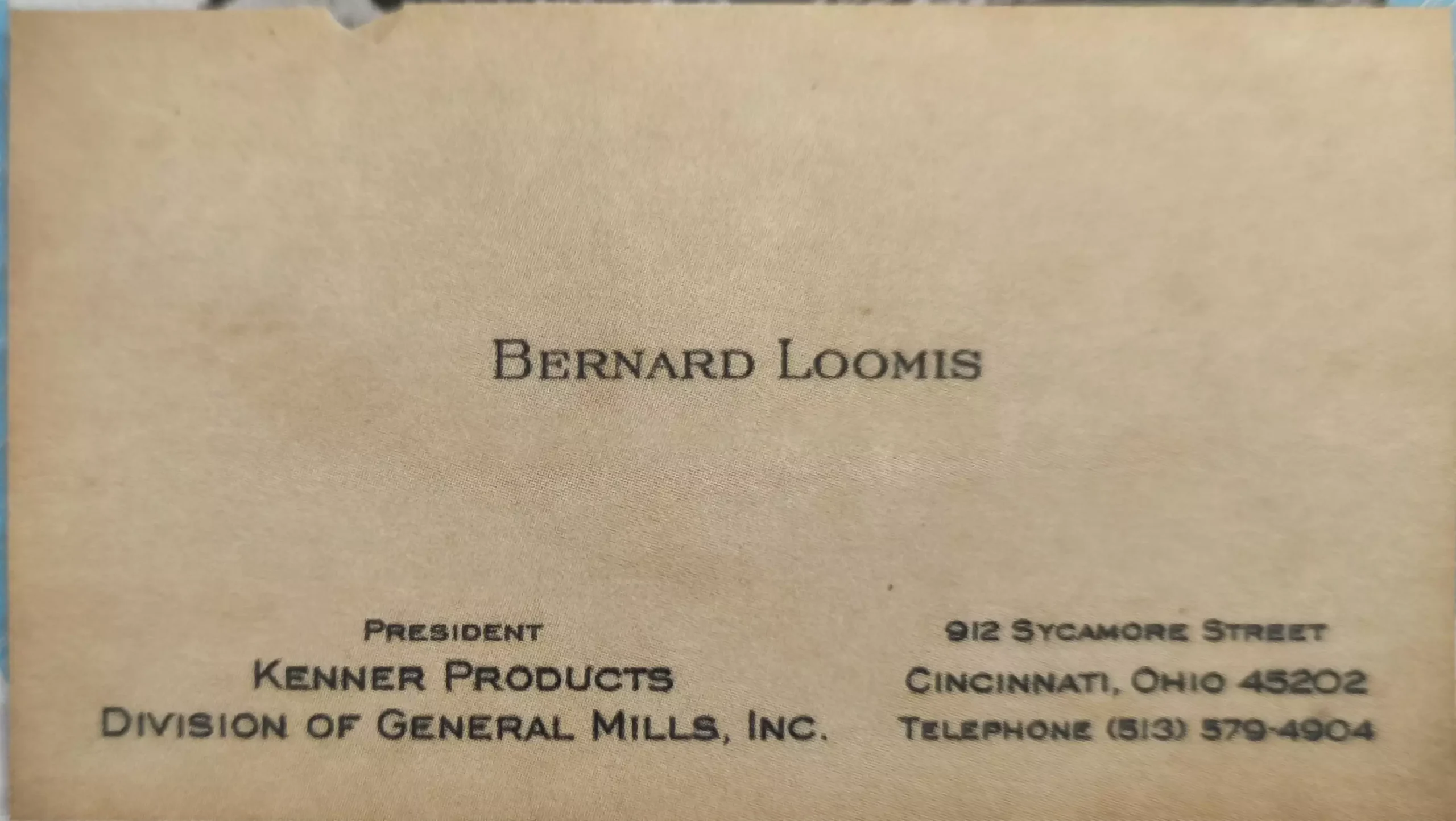
Fuente: Engineering an Empire: The Creators of Kenner’s Star Wars Toys
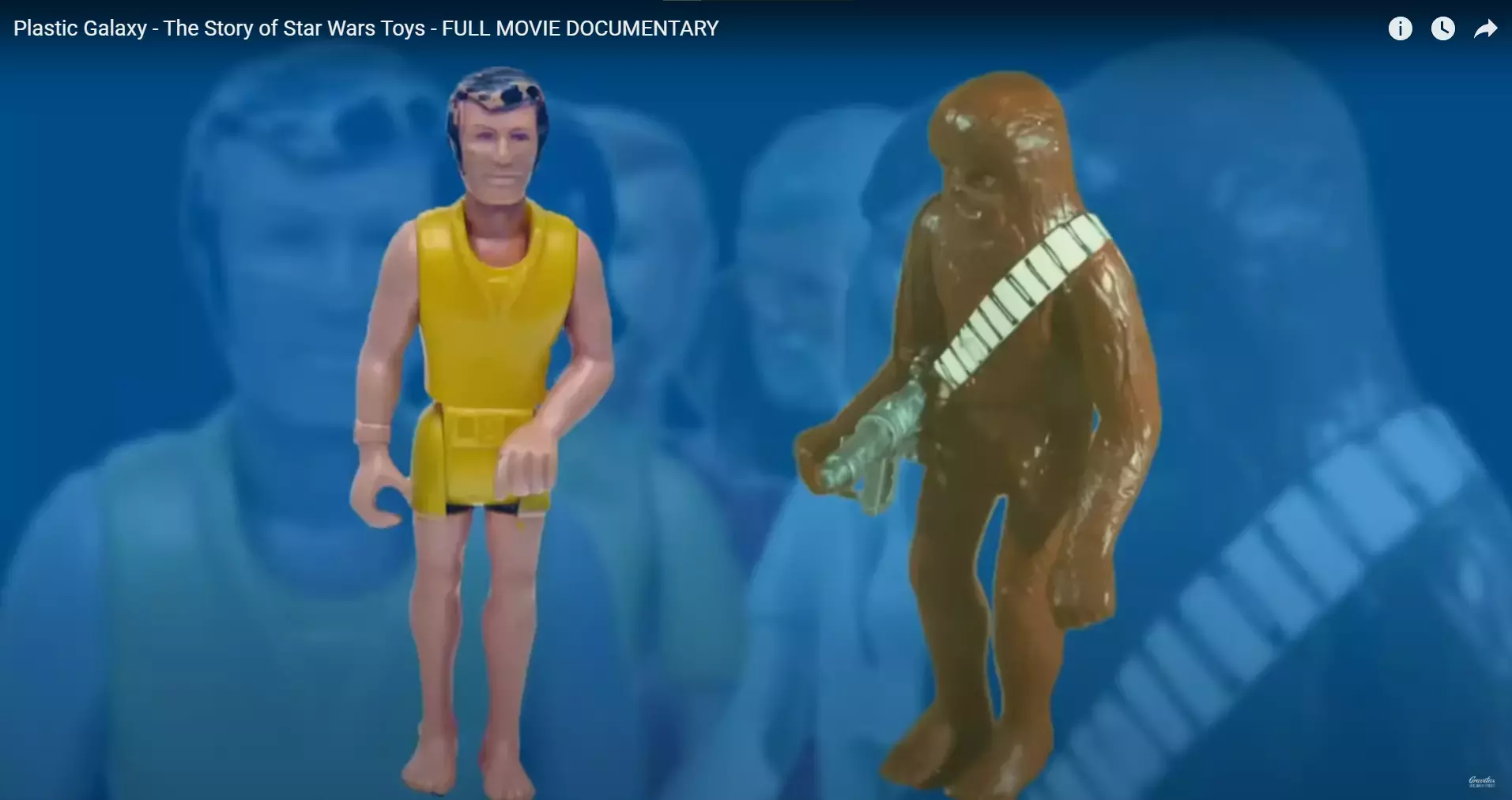
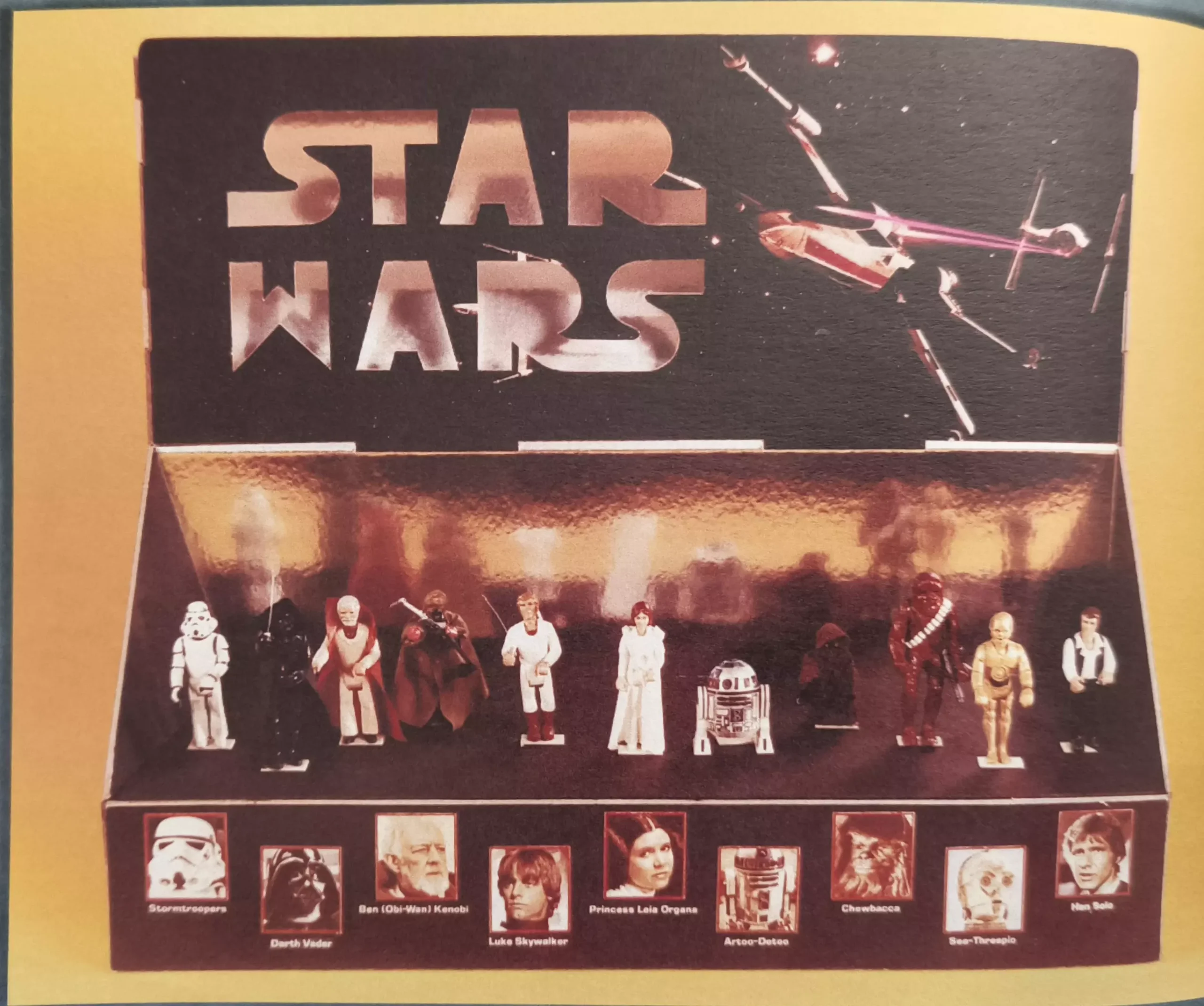
En esa época, lideraban la industria de los juguetes Barbie y Gijoe, cuyas líneas de personajes medían más de 30cm. Entonces, hacer un Millenium Falcon o un Xwing para ese tamaño de juguete era totalmente inviable. Para avanzar necesitaban convencer a Bernard Loomis, presidente de Kenner. Okada y Swearingen prepararon la presentación, y le pidieron definir el tamaño de la nueva línea de juguetes. Loomis escuchó, reflexionó, y aplicó su instinto infalible para detectar productos con potencial de juego: lo que él le llamaba “Toyetica” (que tuviera un don de juego). Para él, Star Wars lo tenía todo, y en un gesto casi mítico, formó un puño, abrió el pulgar y el índice y se midió el espacio entre ellos: “Esta será su altura”, dijo. La regla marcó 9,5 centímetros. Así nació la escala de las figuras más emblemáticas de la historia del juguete.
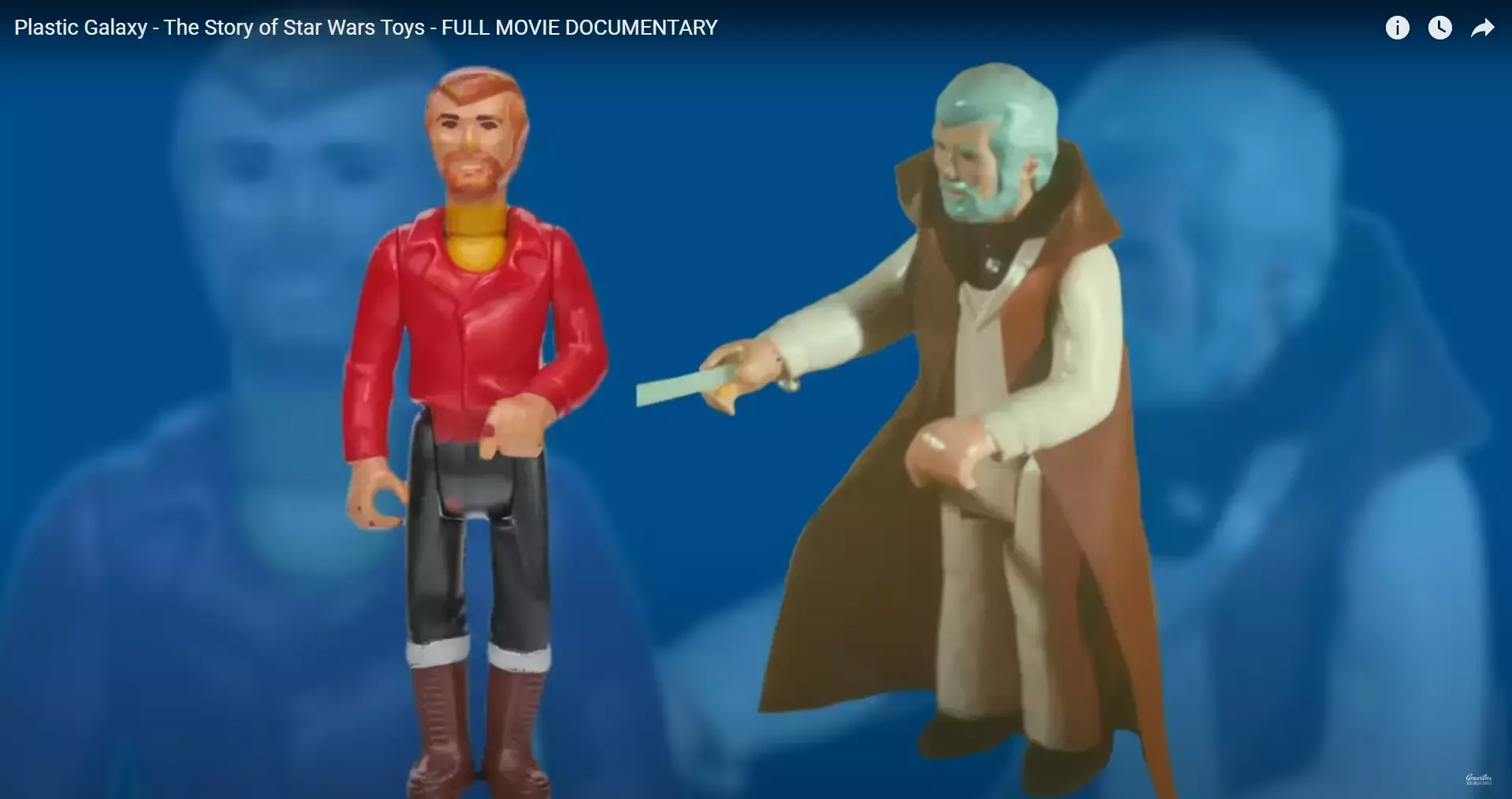
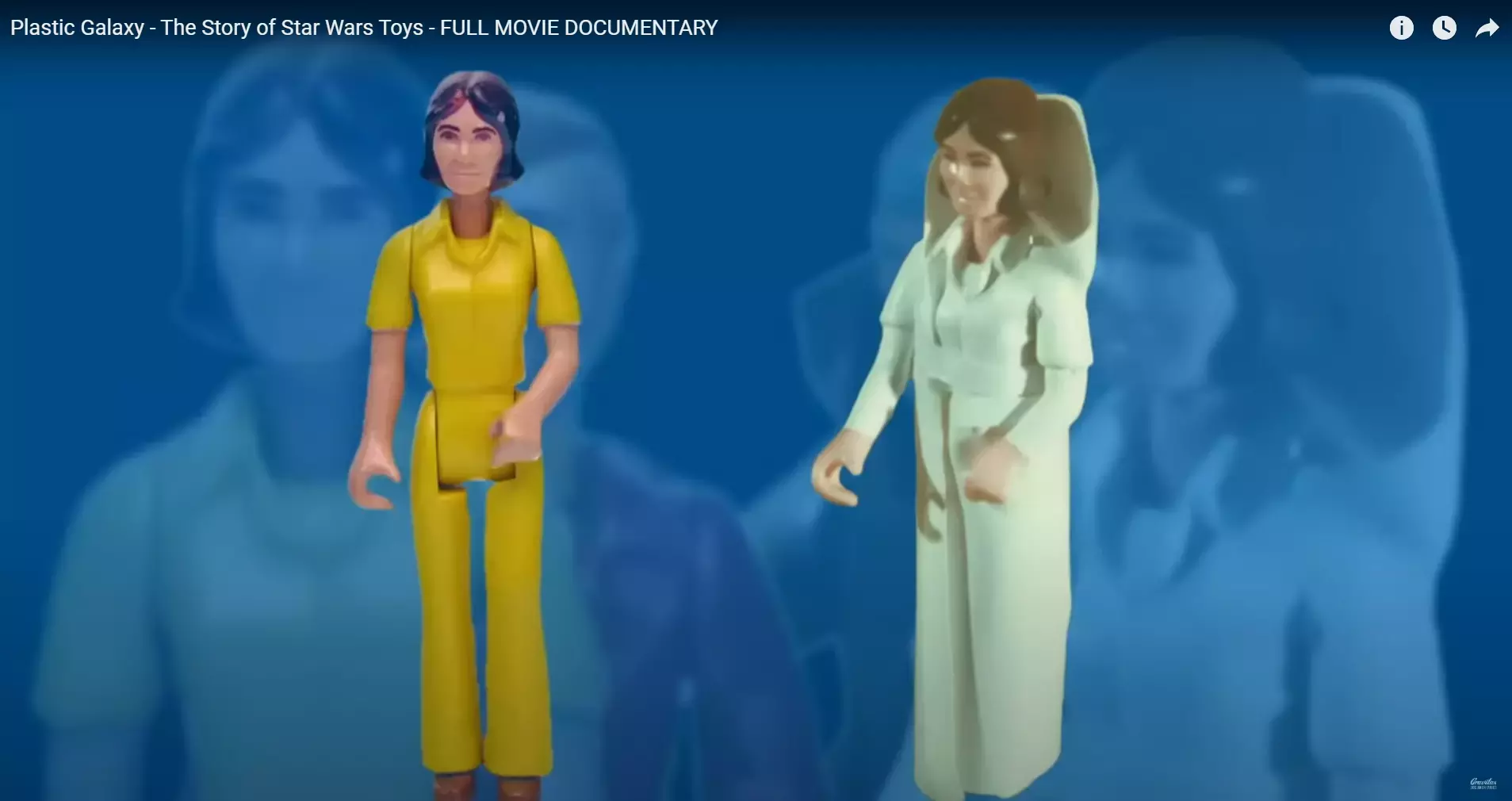
Fuente: Plastic Galaxy – The story of Star Wars Toys & Engineering an Empire: The Creators of Kenner’s Star Wars Toys
Lo más similar en tamaño eran los juguetes Adventure People de Fisher Price (1975-1985), por tanto Jim tomó algunas de estas figuras y los moldeó con masilla Bondo sobre ellos para crear los primeros prototipos de las primeras figuras en la línea de Star Wars. Hoy ese proceso se conoce como kitbashing. Cuando llegó el momento de mostrar los prototipos a Lucasfilm, aún faltaban los Jawas. Okada, decidido, cortó un pedazo de su propio calcetín café y vistió al pequeño personaje para completar la muestra. Viajaron a California… pero George Lucas no se presentó a la reunión. Aun así, la demostración se realizó. Mostraron las figuras, sus articulaciones y hasta los agujeros en los pies, diseñados para que pudieran pararse junto a los vehículos y accesorios.
El 26 de marzo de 1977, casi dos meses antes del estreno, Bernard Loomis finalmente cerró el trato con Lucasfilm: por cada dólar de venta, Kenner recibiría 95 centavos, mientras Lucas y Fox se repartirían los 5 restantes en partes iguales. Los derechos serían de por vida, con una sola condición: pagar 10.000 dólares anuales a Lucasfilm.
El 29 de marzo de 1977, Jim volvió a viajar a ILM con varios modelos y prototipos para juguetes Kenner para presentarlos a Alan Ladd Jr., quien era el presidente de la 20th Century Fox. Loomis le pidió a Ed Schifman, Design Manager en Kenner, que llevara a todo su equipo a ver la película de Star Wars. Jim paticipó en el preview del 1ero de mayo en San Francisco (¿Todos habrán participado de la misma función?). Él junto a su equipo llevaron cámaras y registraron escenas para poder tener ideas de qué hacer cómo juguetes luego. Al comienzo hicieron sólo reutilización de juegos y algunos otros juegos de mesa.
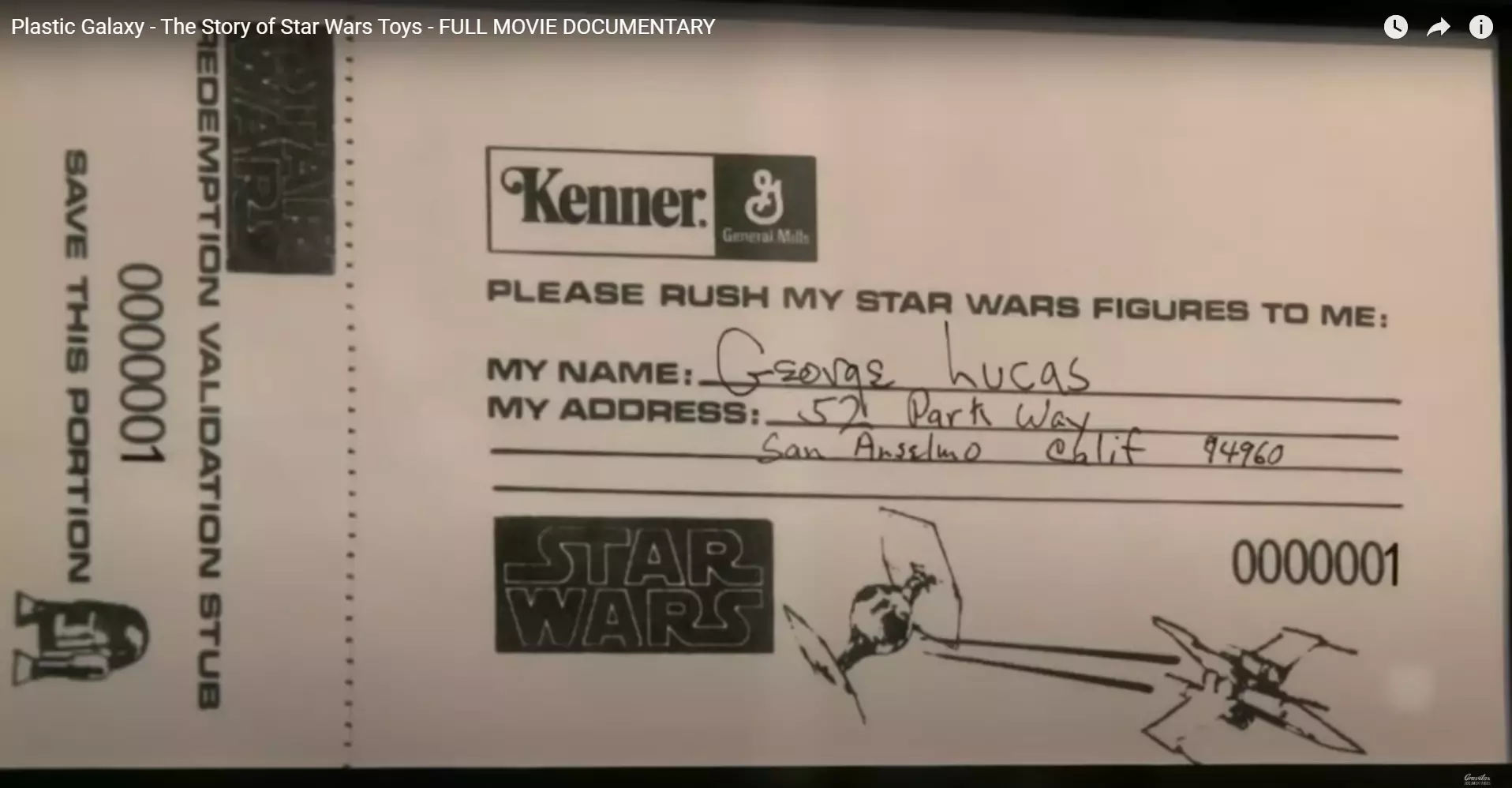
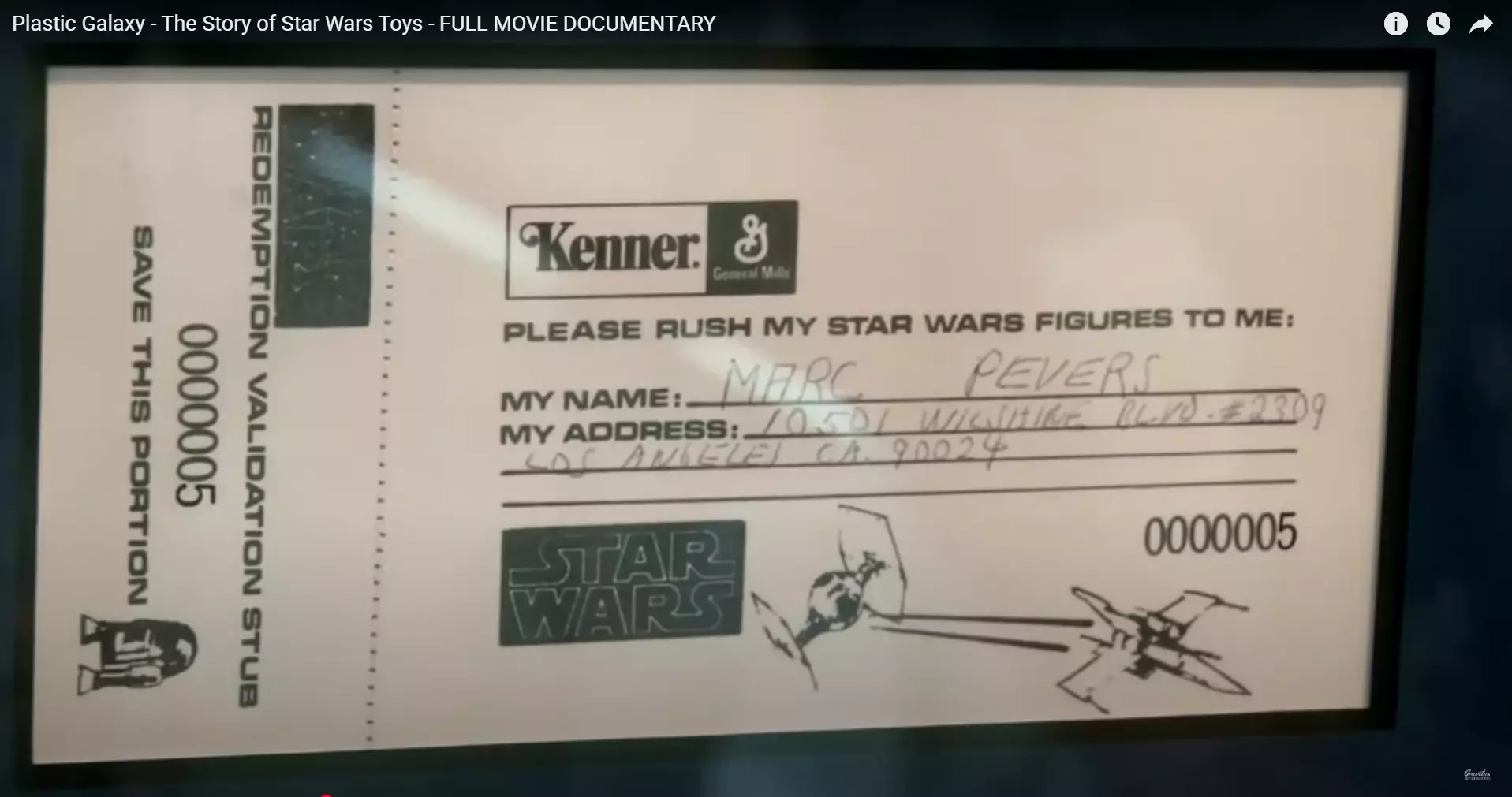
Para la promesa de los primeros juguetes de Star Wars, el Early Bird Certificate, cuando se lo presentaron a George Lucas y su equipo, estos quisieron ser parte de esto y conocer luego qué es lo que los niños recibirían. Dado esto, ellos y personal de Kenner firmaron los primeros cupones de solicitud de estos juguetes (Imágenes capturadas del documental Plastic Galaxy – The story of Star Wars Toys.
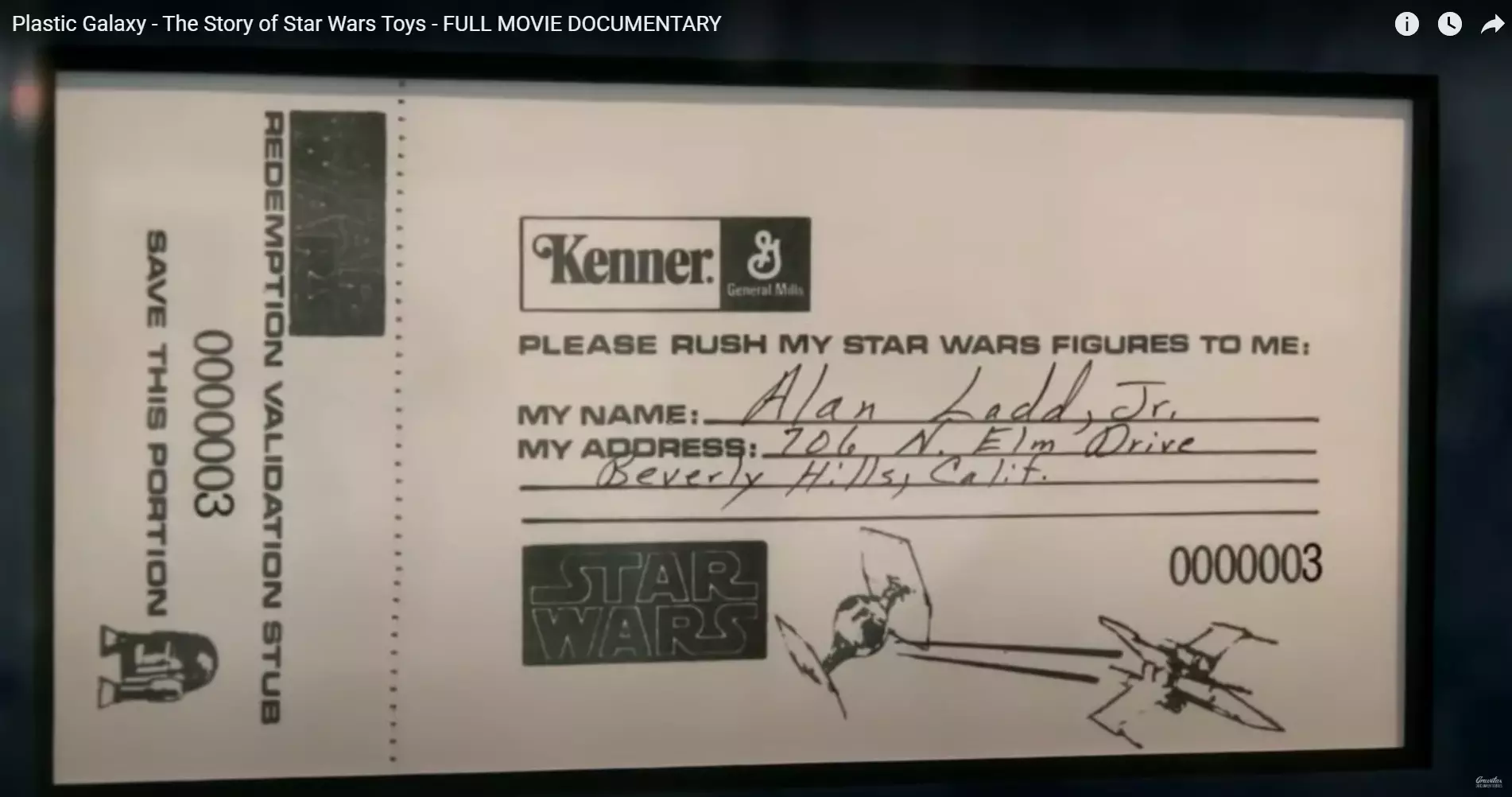
Fuente: Plastic Galaxy – The story of Star Wars Toys
El resto es historia. Así nació una leyenda que no solo cambió la industria del juguete, sino también la forma en que jugamos, soñamos y coleccionamos a través de la galaxia.
PD: Y si alguna vez te has preguntado por qué existen tantas variantes en las figuras originales respecto a algunas diferencias, Jim menciona en el documental Plastic Galaxy – The story of Star Wars Toys, que sin duda “La fábrica metió la pata”.
Two years before the release of Star Wars, Marc Pevers —then Vice President of Licensing at 20th Century Fox— wanted to sell the toy rights for a film no one had seen yet, but George Lucas refused the idea, fearing leaks of his material and early copies of ships and other designs before presenting his work. For this reason, conversations only began six months before the premiere. Pevers tried negotiating with Mattel, Hasbro, and Parker Brothers, but all of them rejected the proposal without hesitation. No one imagined the phenomenon that was coming.
On the 11th floor of the Kruger Building in Cincinnati, a group of Kenner creatives decided to listen. The key figure was Jim Swearingen, a young designer and science‑fiction fan. Pevers handed him the movie script along with black‑and‑white promotional photos. After reading it, Jim understood there was something special there. His boss, Dave Okada, also caught the enthusiasm. The whole team agreed: they had to do it, even though time was against them. The process of design, licensing, prototypes, and testing required at least a year… and only six months remained. Along the way, prototypes of the TIE Fighter and X‑Wing were made without having much information or detail.
With no legal agreement yet, Kenner pushed forward, driven purely by intuition. Jim Swearingen traveled to ILM and met with Lippincott (Vice President of Marketing, Advertising, Promotion, and Merchandising at Lucasfilm). There, they reviewed blueprints of X‑Wings and TIE Fighters, as well as drawings of the Death Star. Lippincott offered him whatever he needed and said they would send it to Kenner. Jim also saw unreleased material still in production (the mythical first battle scene that opens the film and the entire Star Wars saga). With all this, Jim assembled a preliminary list of characters and creatures that could become action figures:
Luke Skywalker
Princess Leia Organa
C‑3PO (See‑Threepio)
R2‑D2 (Artoo‑Detoo)
Han Solo
Chewbacca
Ben (Obi‑Wan) Kenobi
Darth Vader
Stormtrooper
Grand Moff Tarkin
General Motti
General Taggi
Tusken Raider (Sand People) *In the original list it appears written as “Tuskin”
Bantha
Jawa
General Dodonna
General Willard
Uncle Owen Lars
Aunt Beru Lars
-
Rebel Pilots:
Wedge
Biggs
John D.
Porkin
Cantina Musicians
Cantina Patrons/misc.
Jabba *Curious appearance of Jabba. He likely appeared in a production photo.
Death Star Tech.
Rebel Ships:
X‑Wing Fighter
Y‑Wing Fighter
Rebel Blockade Runner
Millennium Falcon
Source: Engineering an Empire: The Creators of Kenner’s Star Wars Toys
At that time, the toy industry was dominated by Barbie and G.I. Joe, whose character lines measured more than 30 cm. Creating a Millennium Falcon or an X‑Wing at that scale was completely unfeasible. To move forward, they needed to convince Bernard Loomis, president of Kenner. Okada and Swearingen prepared the presentation and asked him to define the size of the new toy line. Loomis listened, reflected, and applied his infallible instinct for detecting products with play potential — what he called “Toyetic” (that it had the gift of play). To him, Star Wars had everything, and in an almost mythical gesture, he formed a fist, opened his thumb and index finger, and measured the space between them: “This will be their height,” he said. The ruler marked 9.5 centimeters. Thus was born the scale of the most iconic action figures in toy history.
Source: Plastic Galaxy – The Story of Star Wars Toys & Engineering an Empire: The Creators of Kenner’s Star Wars Toys
The closest toys in size were Fisher Price’s Adventure People (1975–1985), so Jim took some of these figures and sculpted Bondo putty over them to create the first prototypes of the initial Star Wars figures. Today, that process is known as kitbashing. When the time came to show the prototypes to Lucasfilm, the Jawas were still missing. Determined, Okada cut a piece from his own brown sock and dressed the small character to complete the sample. They traveled to California… but George Lucas did not attend the meeting. Even so, the demonstration went ahead. They showed the figures, their articulation, and even the holes in their feet, designed so they could stand next to vehicles and accessories.
Source: Engineering an Empire: The Creators of Kenner’s Star Wars Toys
On March 26, 1977, almost two months before the premiere, Bernard Loomis finally closed the deal with Lucasfilm: for every dollar in sales, Kenner would receive 95 cents, while Lucas and Fox would split the remaining 5 cents equally. The rights would be for life, with only one condition: paying Lucasfilm $10,000 annually.
On March 29, 1977, Jim traveled again to ILM with several Kenner toy models and prototypes to present them to Alan Ladd Jr., who was then president of 20th Century Fox. Loomis asked Ed Schifman, Design Manager at Kenner, to take his entire team to see the Star Wars film. Jim participated in the May 1st preview in San Francisco (Did they all attend the same screening?). He and his team brought cameras and recorded scenes to gather ideas for future toys. At first, they only reused existing games and produced a few board games.
For the promise of the first Star Wars toys, the Early Bird Certificate, when it was presented to George Lucas and his team, they wanted to be part of it and later see what children would receive. Because of this, they —along with Kenner staff— signed the first request coupons for these toys (Images captured from the documentary Plastic Galaxy – The Story of Star Wars Toys).
Source: Plastic Galaxy – The Story of Star Wars Toys
The rest is history. This is how a legend was born — one that not only changed the toy industry, but also the way we play, dream, and collect across the galaxy.
PS: And if you’ve ever wondered why so many variants exist among the original figures, Jim mentions in the documentary Plastic Galaxy – The Story of Star Wars Toys that, without a doubt, “the factory messed up.”