Cuadernillo de Prototipos y Especificaciones Kenner
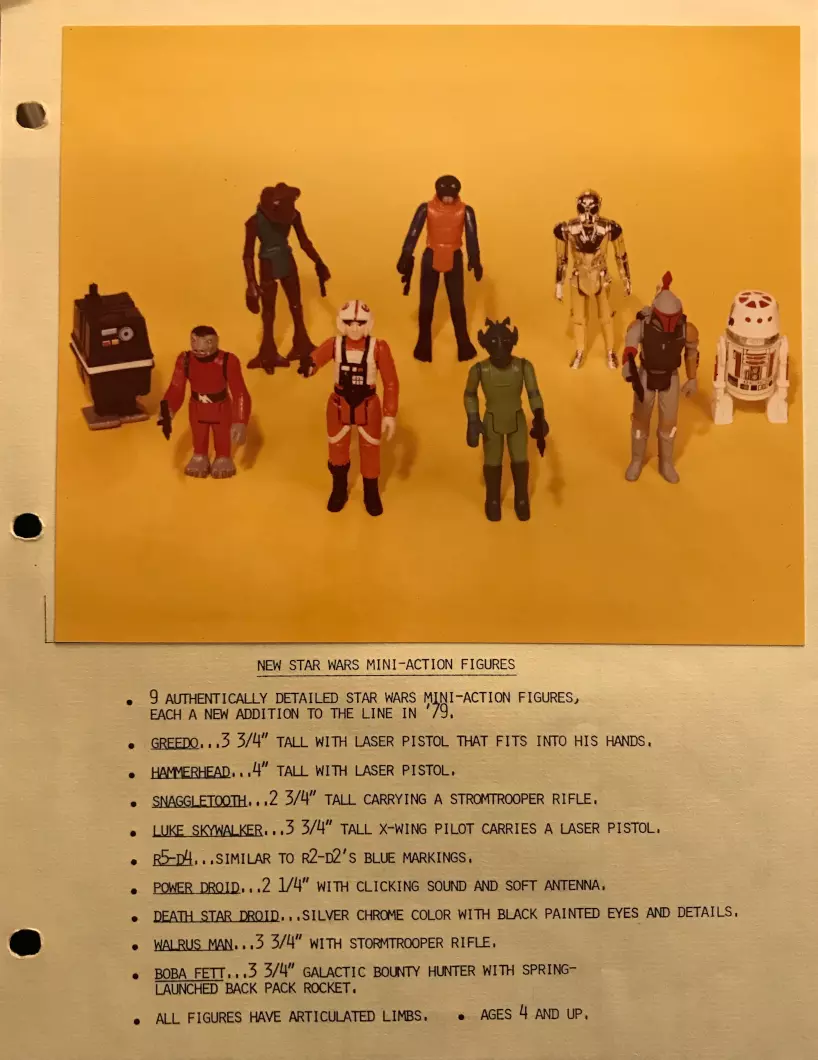
Estas fichas de productos Kenner son parte de un cuaderno de 3 anillos que contiene fotografías tempranas y descripciones de más de 30 juguetes de Star Wars. Cada hoja tiene el mismo formato con información mecanografiada sobre el producto y una foto brillante pegada. La mayoría de las fotos son representaciones de los juguetes, pero a menudo difieren de sus contrapartes lanzadas, lo que las hace bastante únicas a la vista. Por lo general, se trataba de maquetas creadas porque los juguetes no estaban listos a tiempo para la fotografía y la comercialización temprana.
New Star Wars Mini-Action Figures
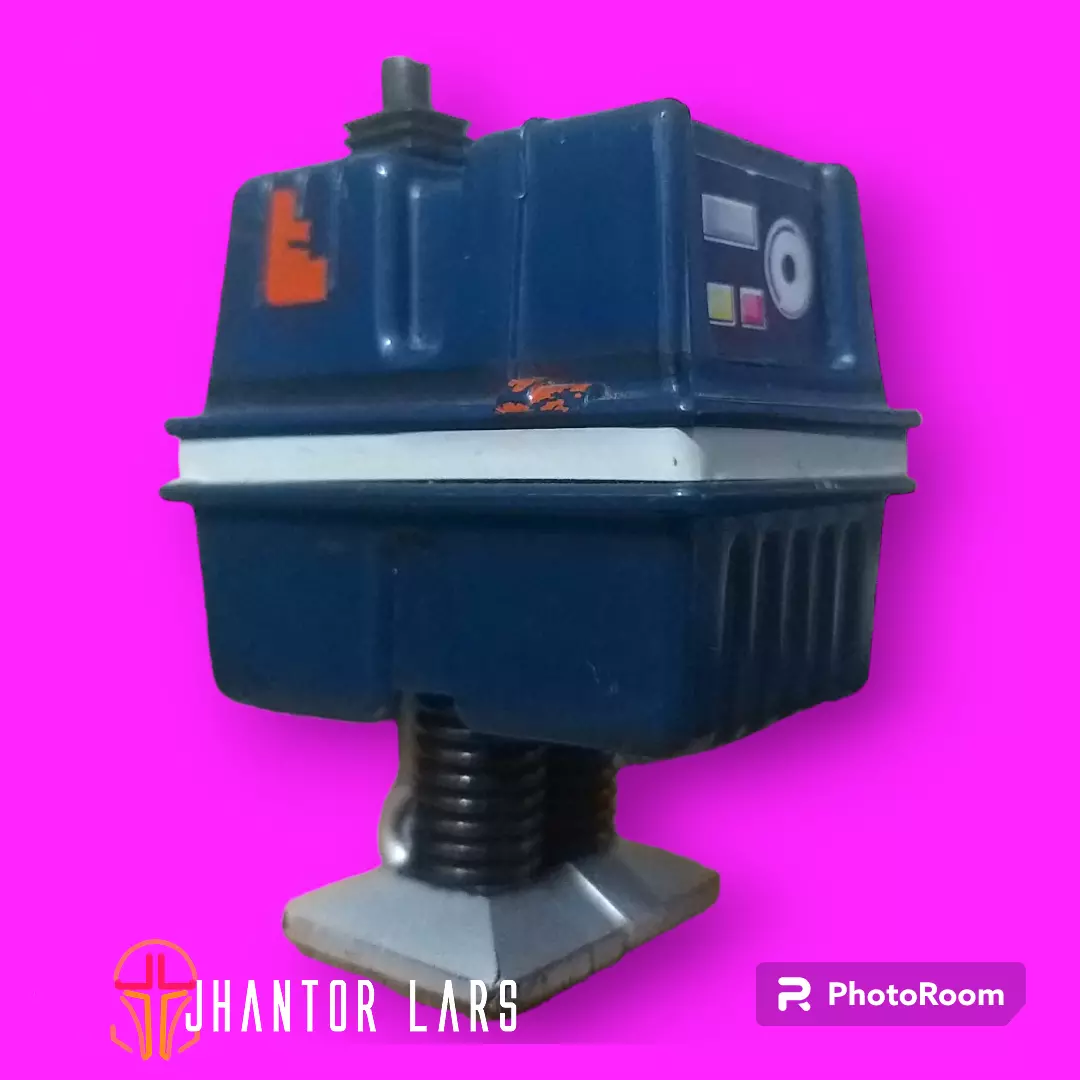
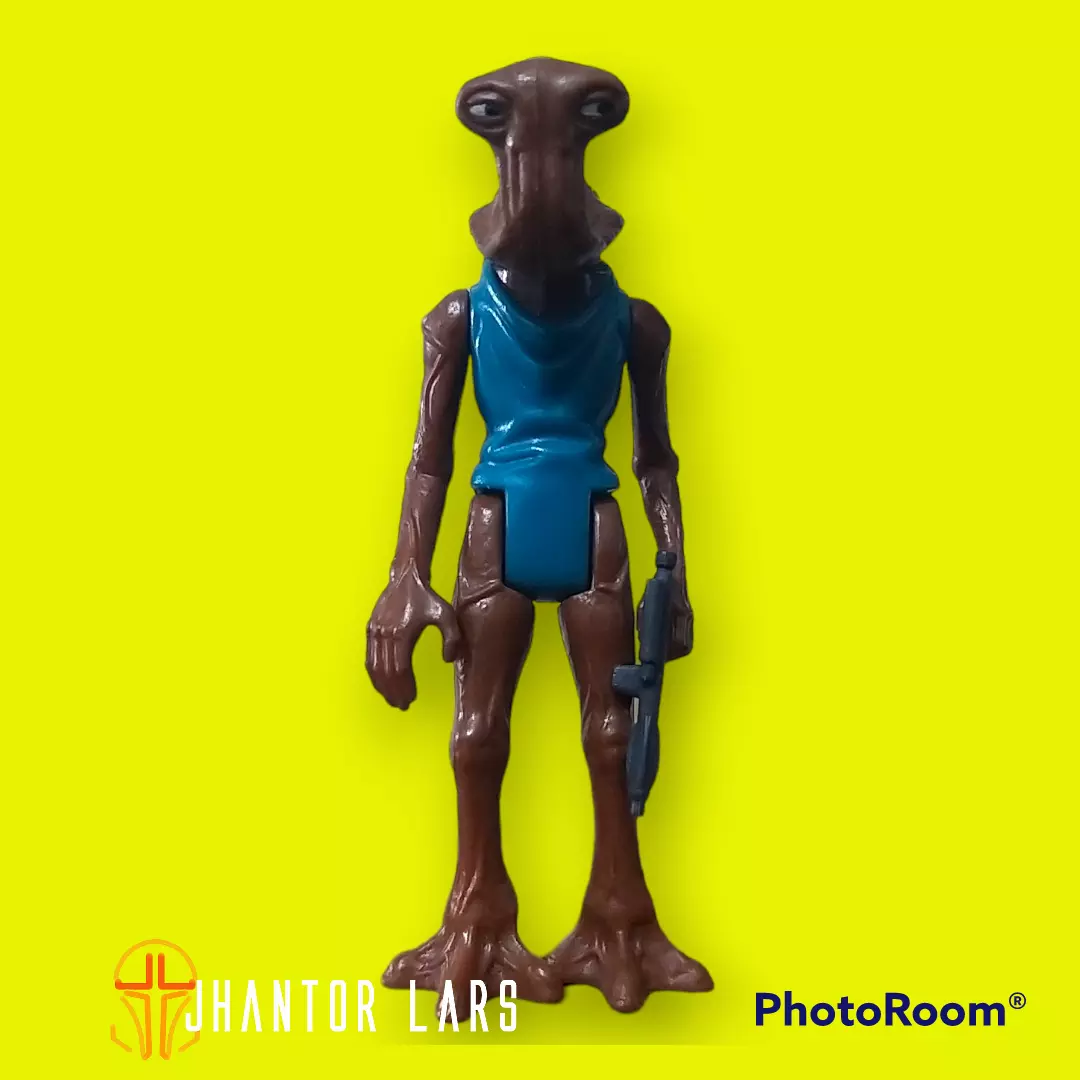
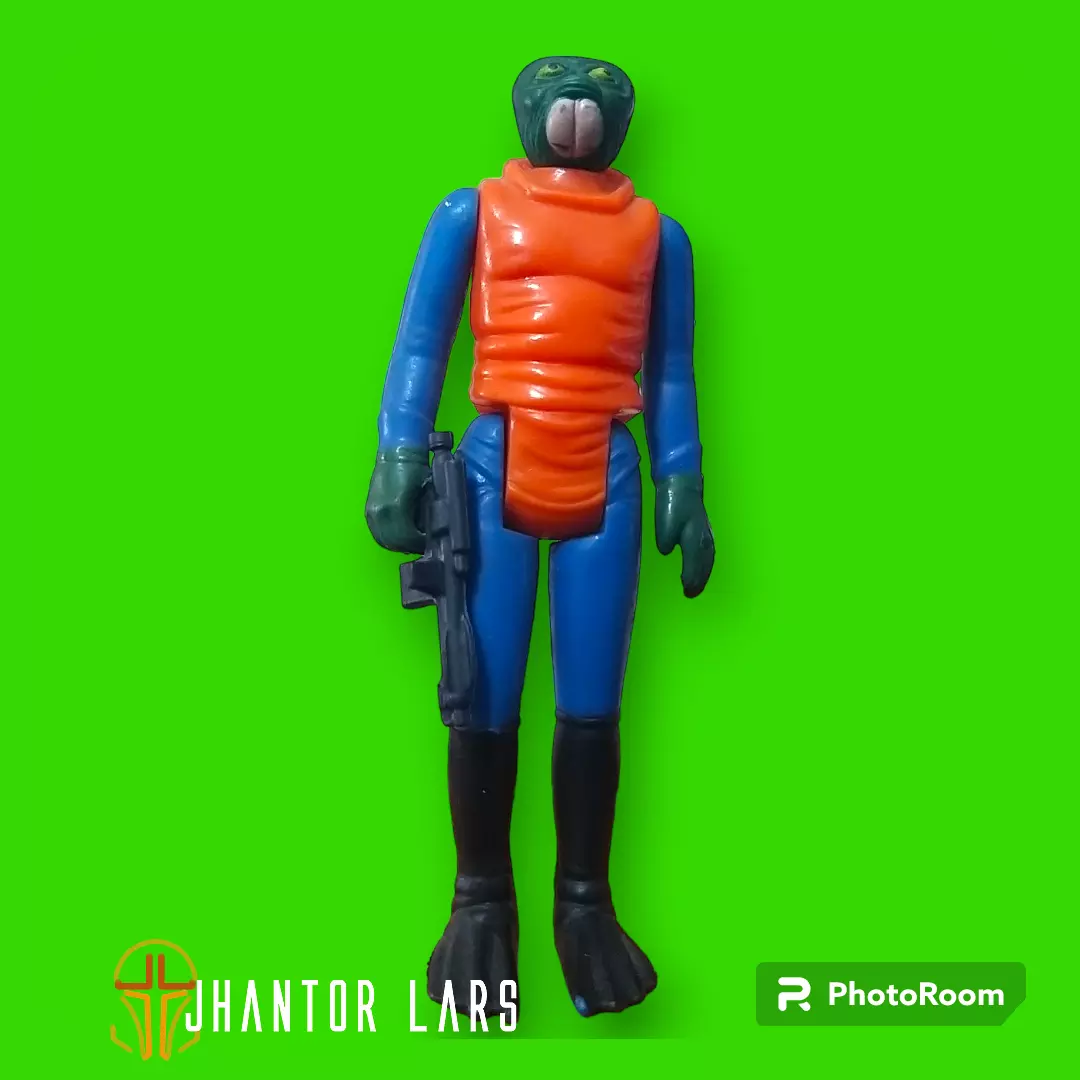
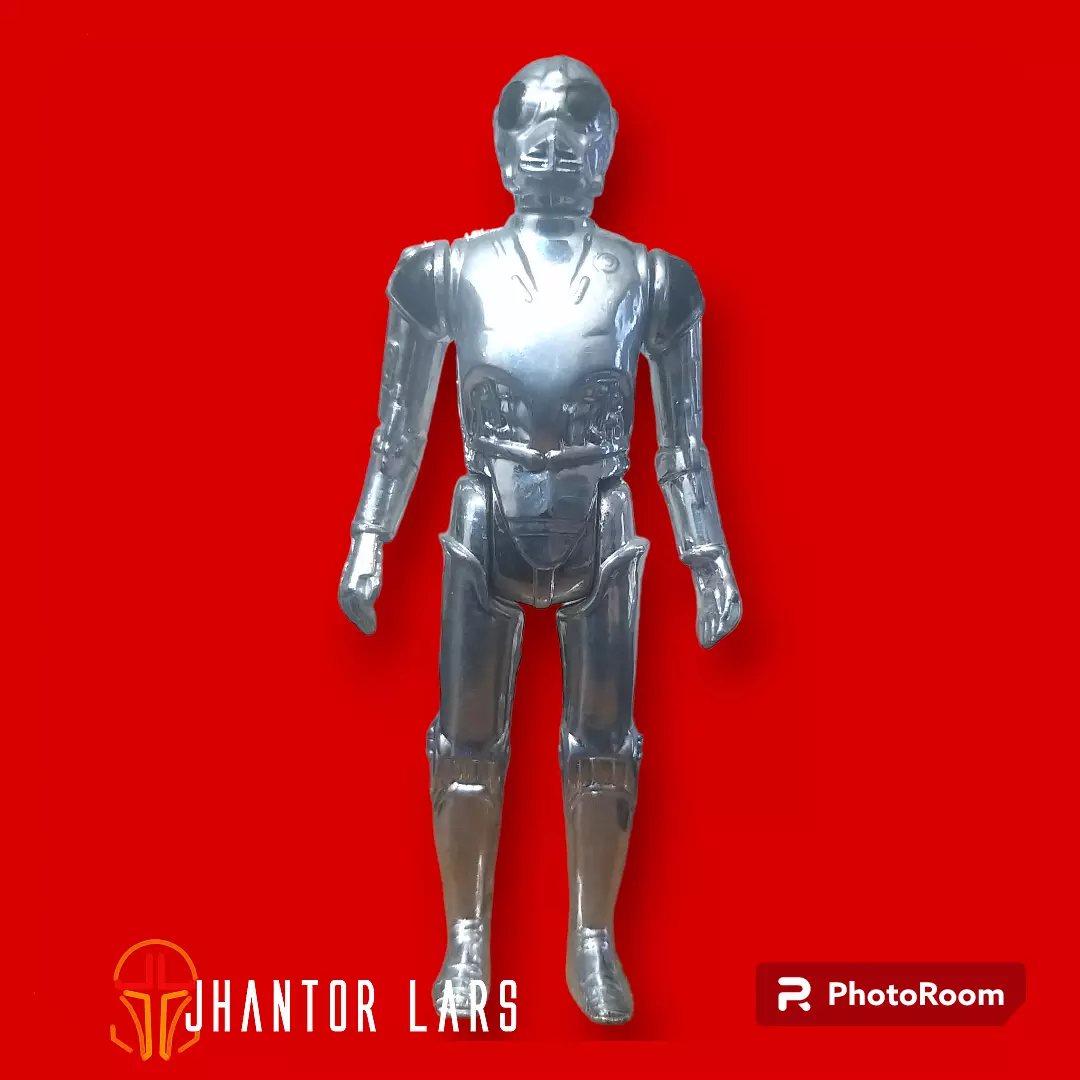
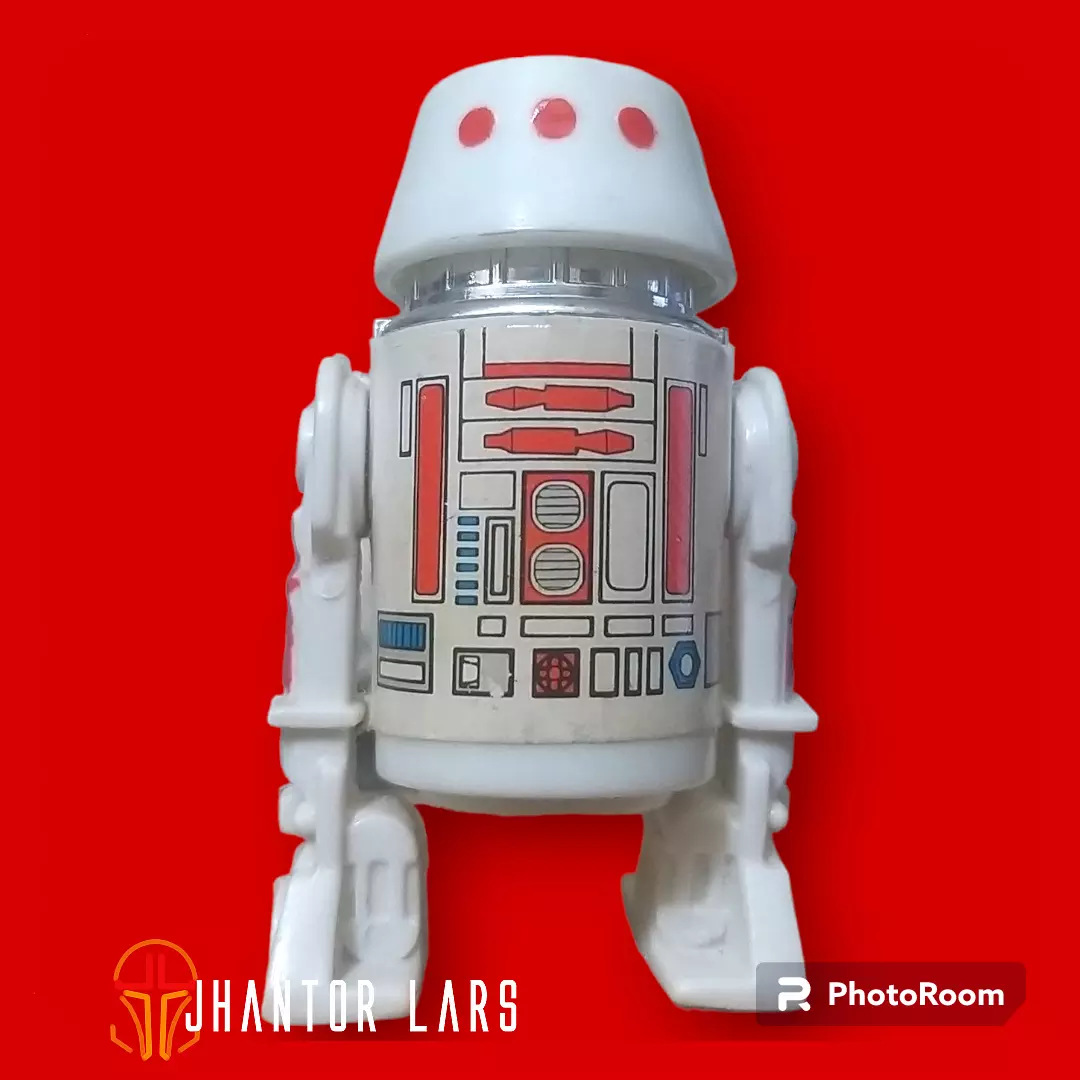
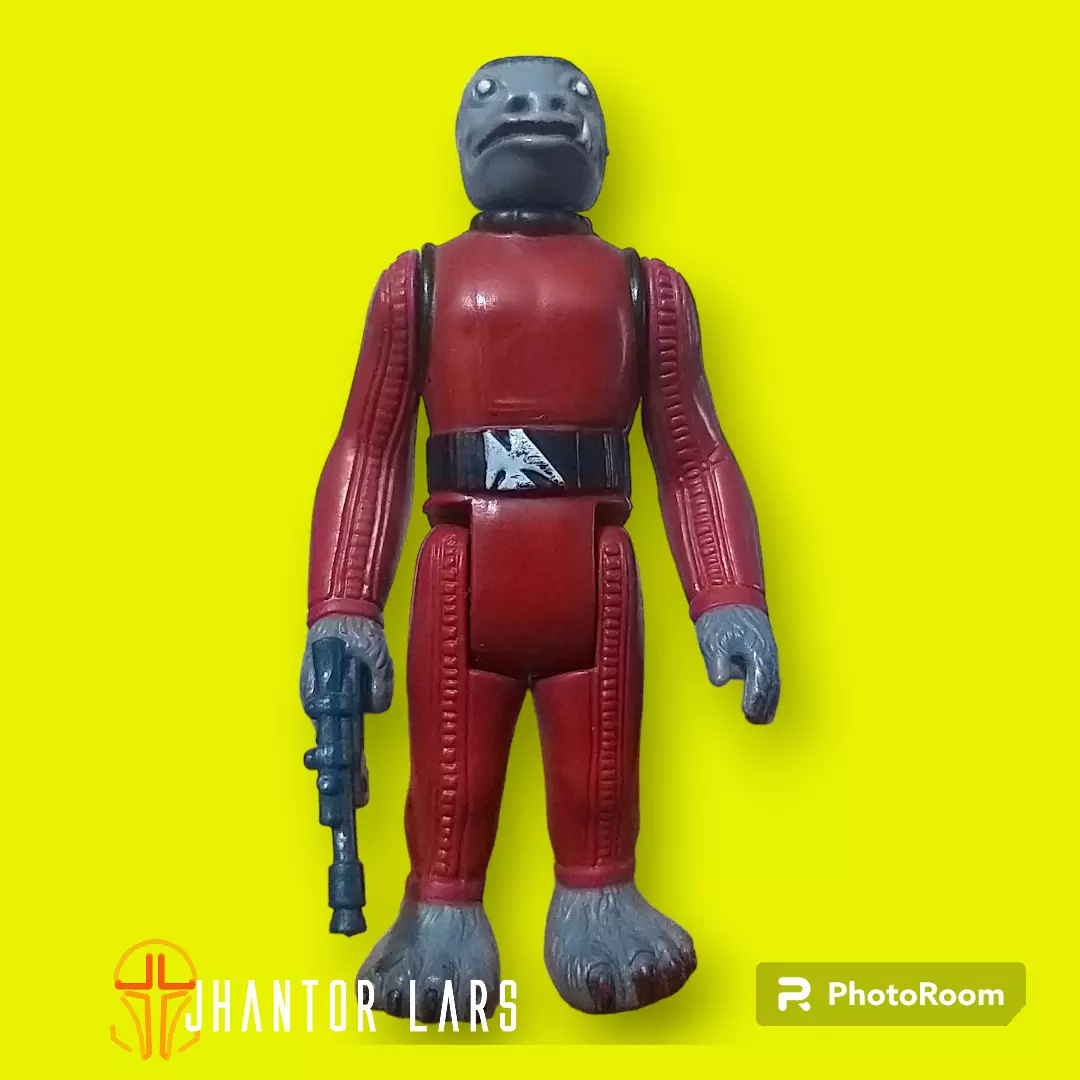
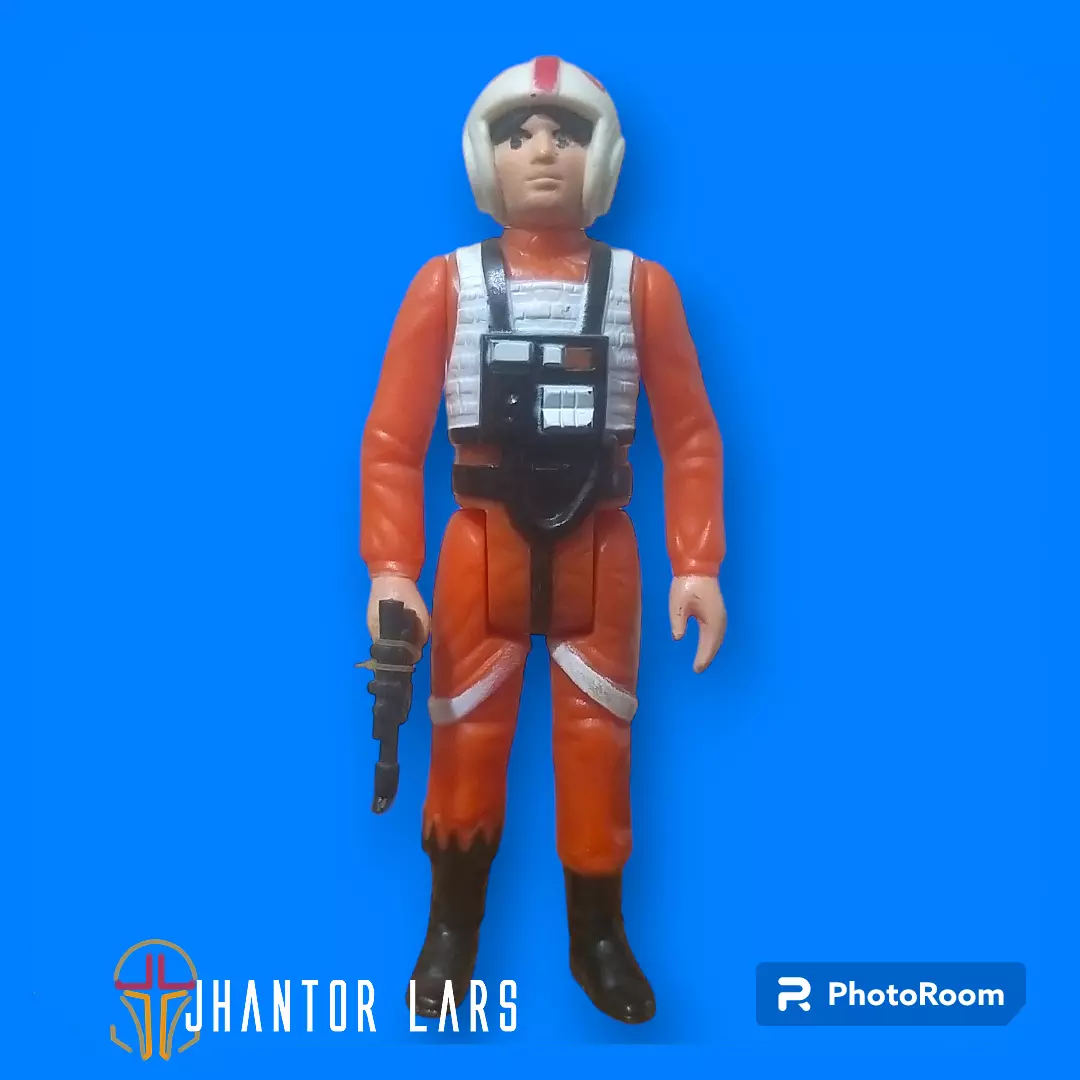
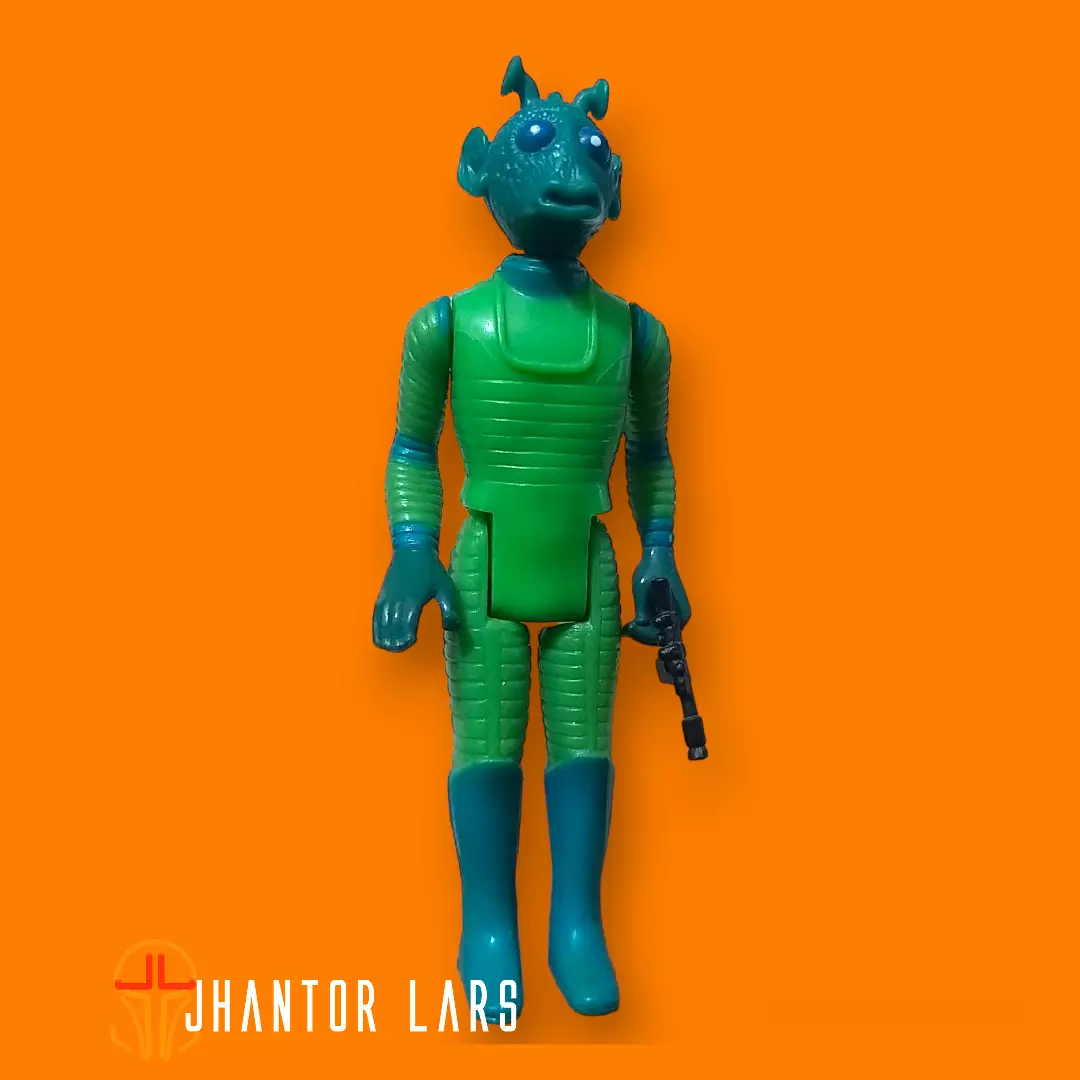
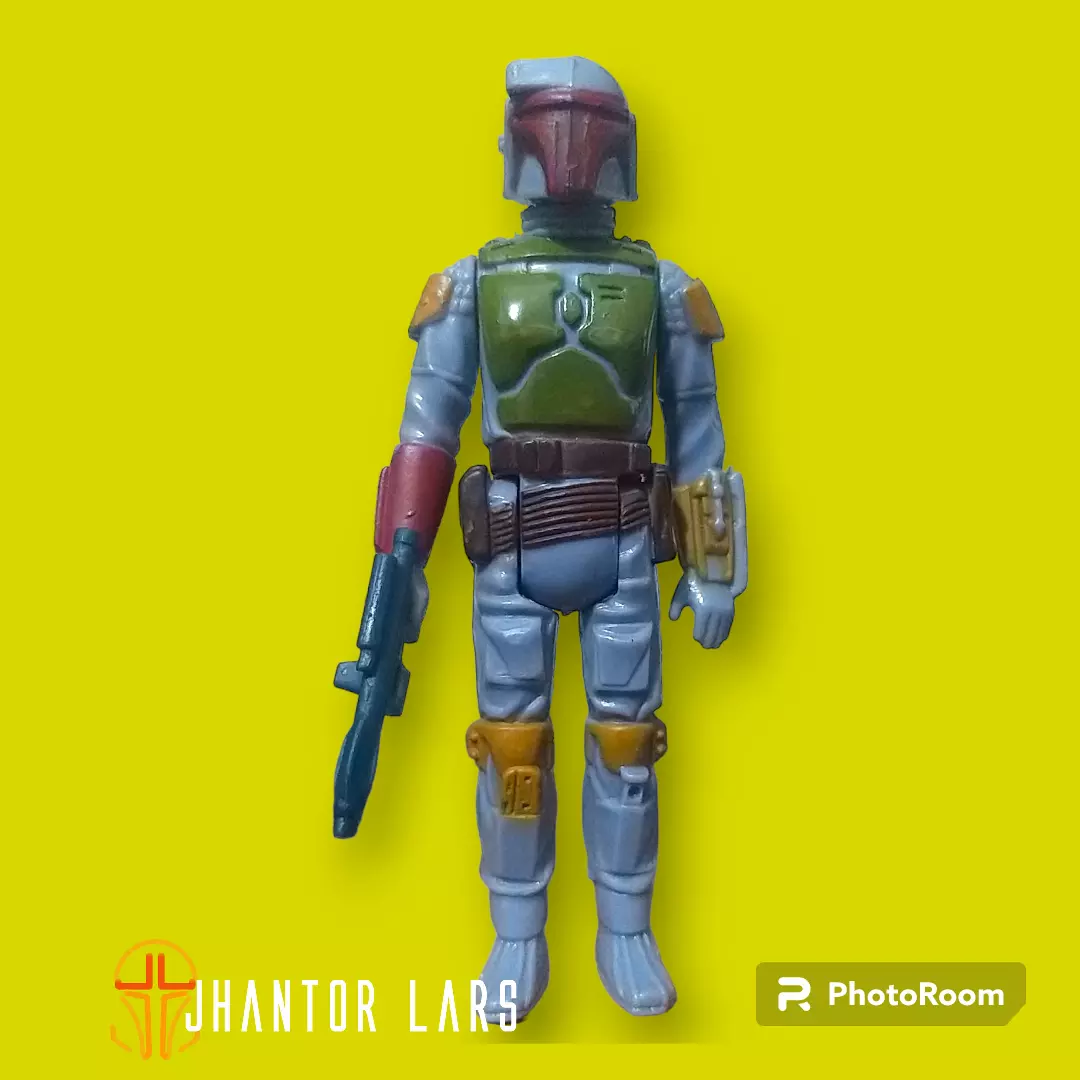
En la hoja de especificaciones de las nuevas figuras, de la cual no he logrado obtener el año exacto de su aparición (probablemente finales de 1978), se identifica una figura de prototipo de Boba Fett mencionando también su sistema de lanza misil. No es claro si le hicieron ciertos retoques para la fotografía o si este sería un nuevo prototipo del cual no he encontrado más registros. Lo que es cierto es que se asemeja mucho más a la figura final lanzada en producción. En particular esta figura ya no tiene los ojos en el casco, el rojo del casco es más intenso, el color del mameluco es de un azul más grisáceo, ya no se tienen los círculos con la X en los guantes, el telemetro es gris y no tiene las rayas en los zapatos. Luego de esto, se siguieron haciendo reducciones en su complejidad, como simplificar el jetpack, redondear el misil y el telemetro quedó como parte del casco (no sobresaliente)
En las especificaciones aparecen también 8 nuevas figuras de acción, Greedo, Hammerhead, Red Snaggletooth, Luke Skywalker X-Wing, R5-D4, Power Droid, Death Star Droid y Walrus Man. Notar que Hammerhead aparece con un blaster siendo que finalmente se lanzó con un rifle, y para Snaggletooth fue al revés. Estas figuras son las 8 nuevas que aparecen en los cartones de 20 piezas de Kenner de la colección Star Wars, y en particular Boba Fett empezó a aparecer como promoción en su tercera versión el cartón 20C, pero con una foto del tercer prototipo.
Star Wars Mini-Action Figures Collector’s Case
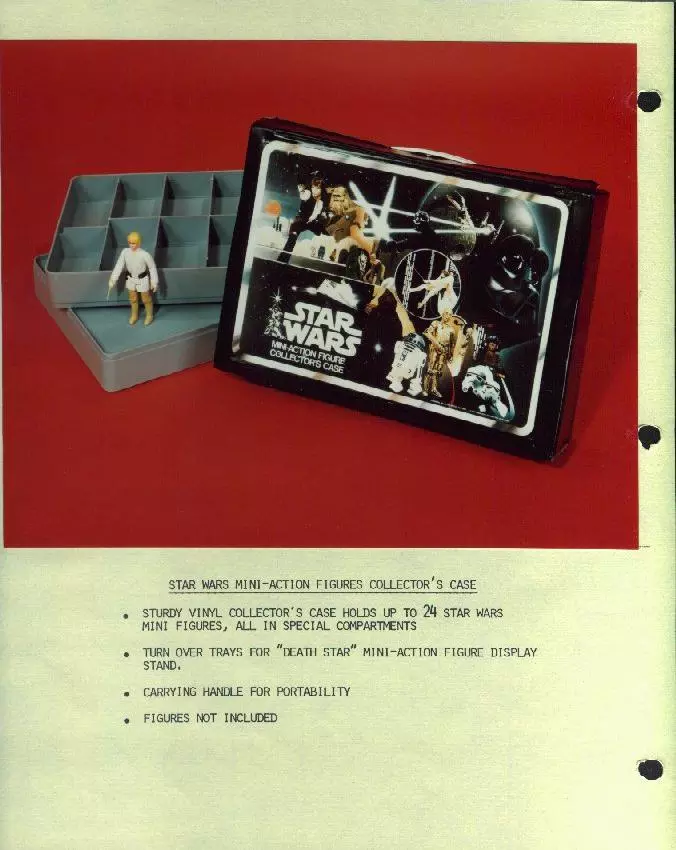
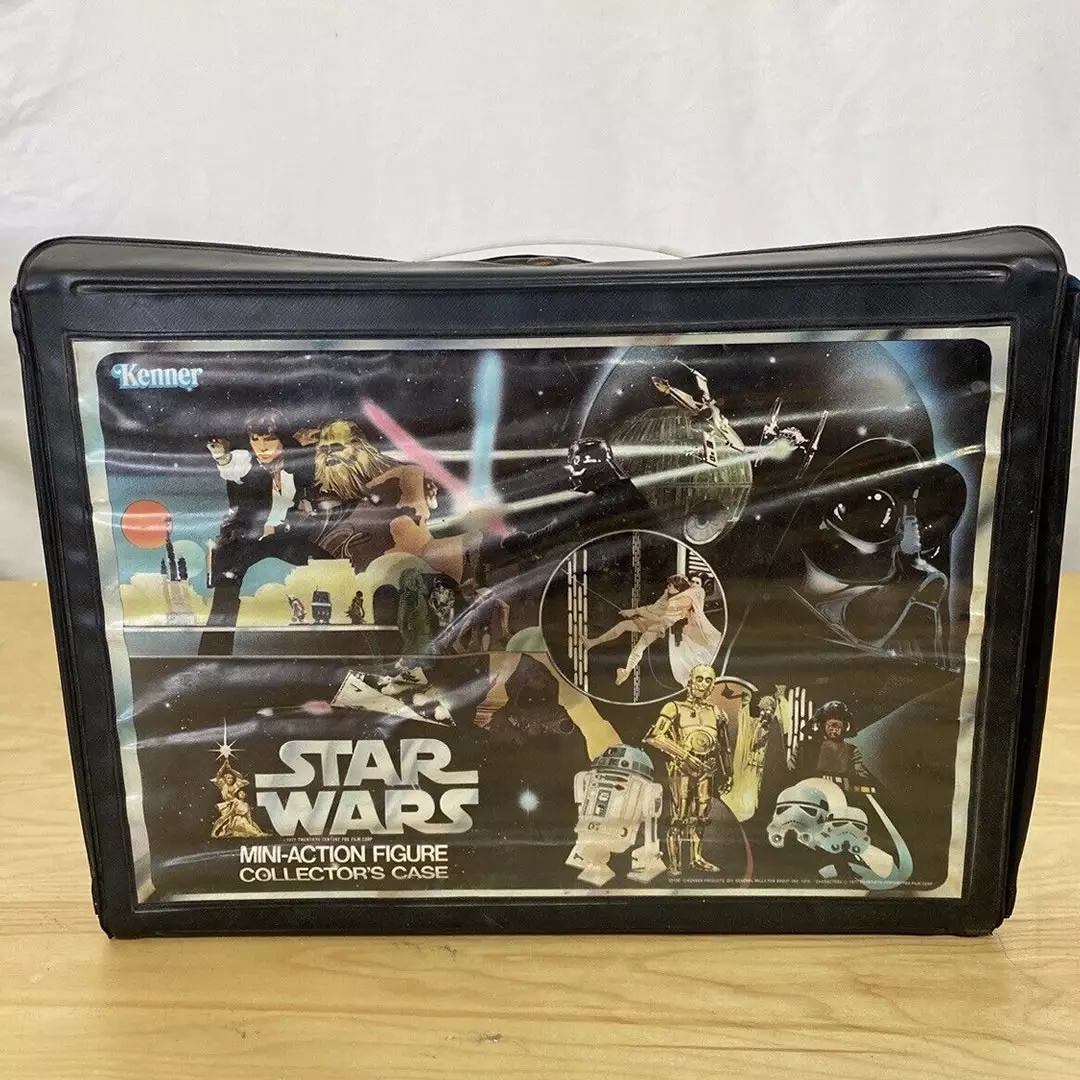
Nada fuera de lo común aquí, pero esta foto exacta fue utilizada en el catálogo de Kenner de 1979. Este estuche fue muy popular entre los niños a medida que la colección crecía de 12 a 21 figuras. Afortunadamente, este estuche contenía 24 figuras, lo que permitía a los niños almacenar ambas versiones de Snaggletooth con 2 espacios adicionales para elementos esenciales como un Stormtrooper de repuesto o el Boba Fett extra gratuito.
Star Wars Chewbacca Bop Bag
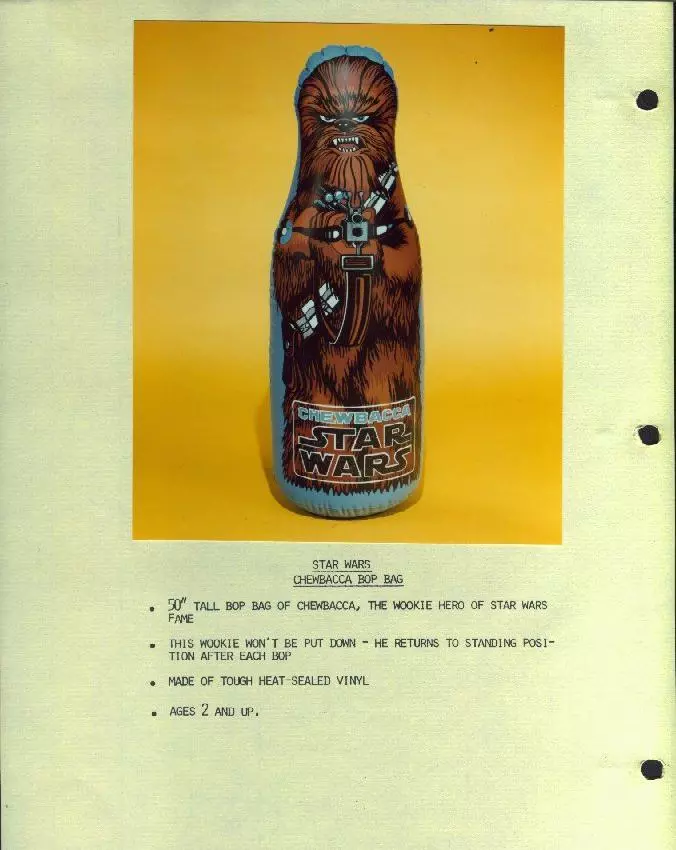
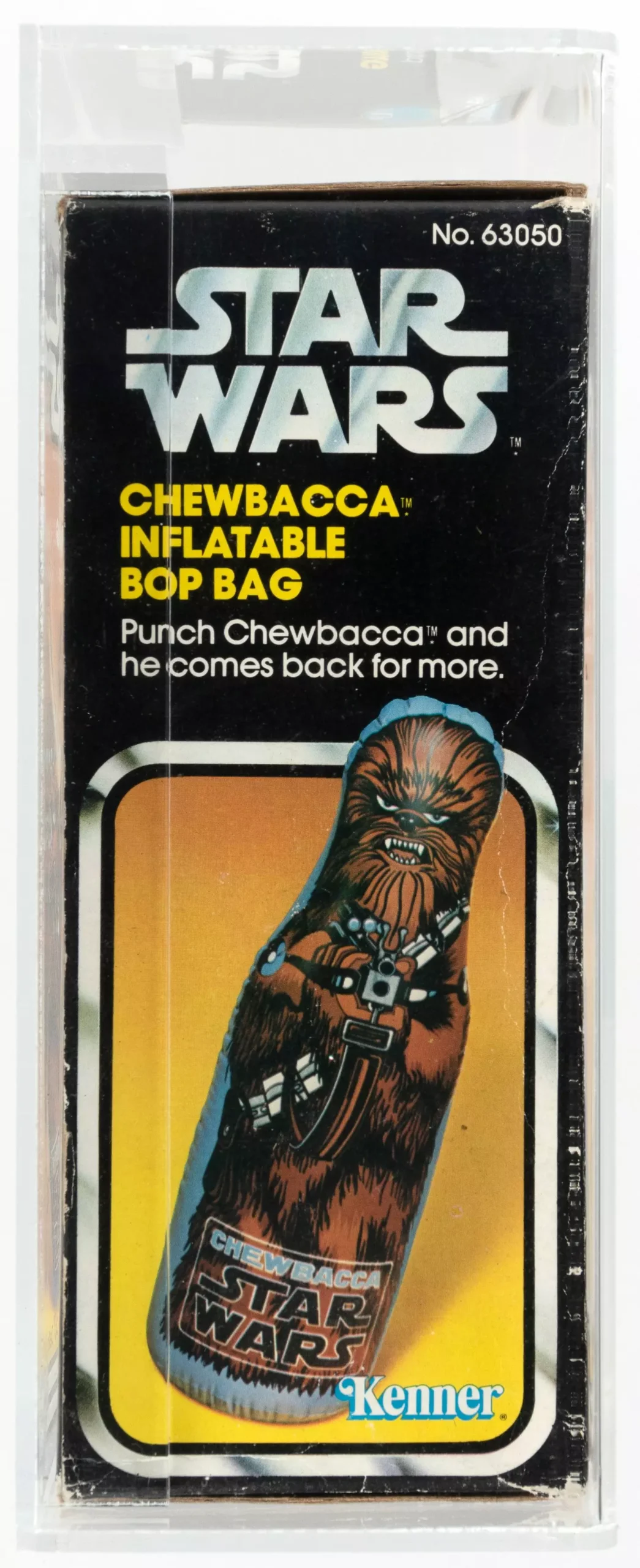
Esto parece ser la versión de producción del mono porfiado de Chewbacca, especialmente al verlo en su estado inflado.
Star Wars Cantina Adventure Set
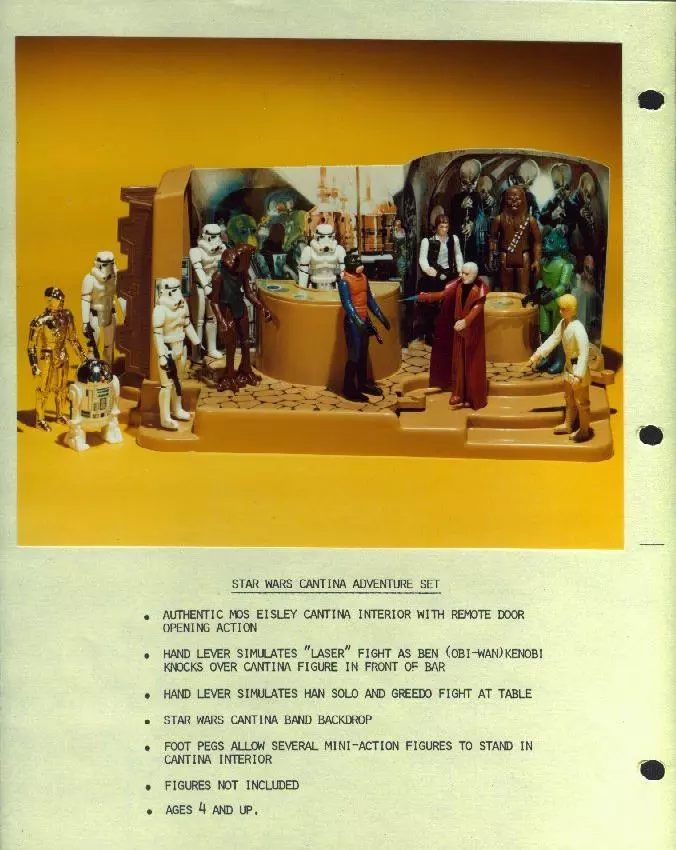
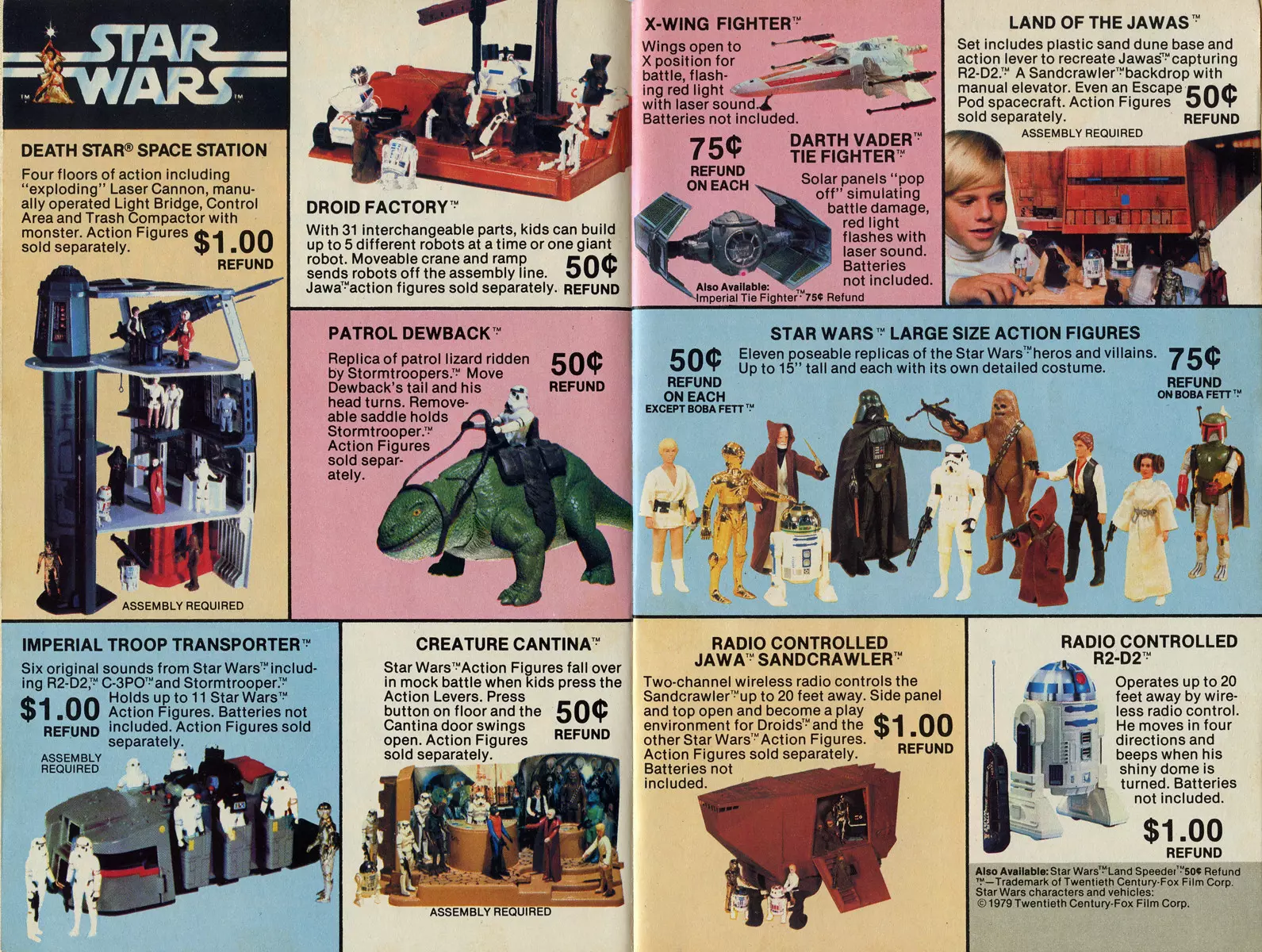
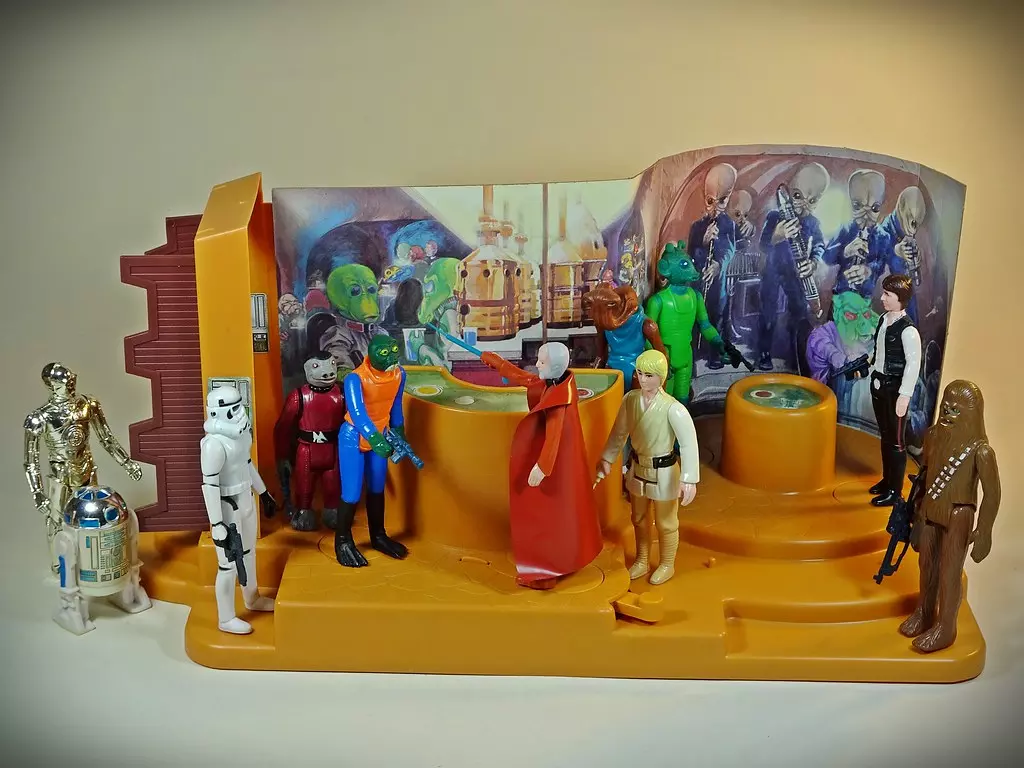
Foto de Kim David Mc Neill Simmons del archivo de Kenner que se puede ver también en un inserto de Guía de Televisión en donde se promocionan juguetes Kenner de Star Wars. Hay una diferencia entre esta y el juguete lanzado, ya que esta tiene contornos negros resaltando el piso “de piedra”. Un punto interesante es que acá se presenta el nombre del Playset exclusivo de Sears, siendo que finalmente este salió al mercado con el nombre “Creature Cantina Action Playset”.
Star Wars Darth Vader’s Tie Fighter
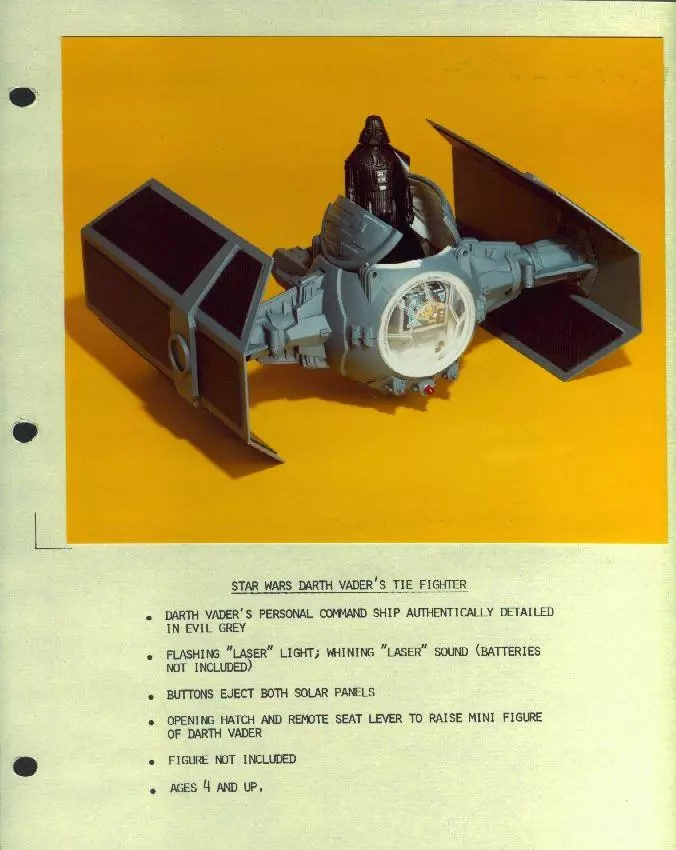
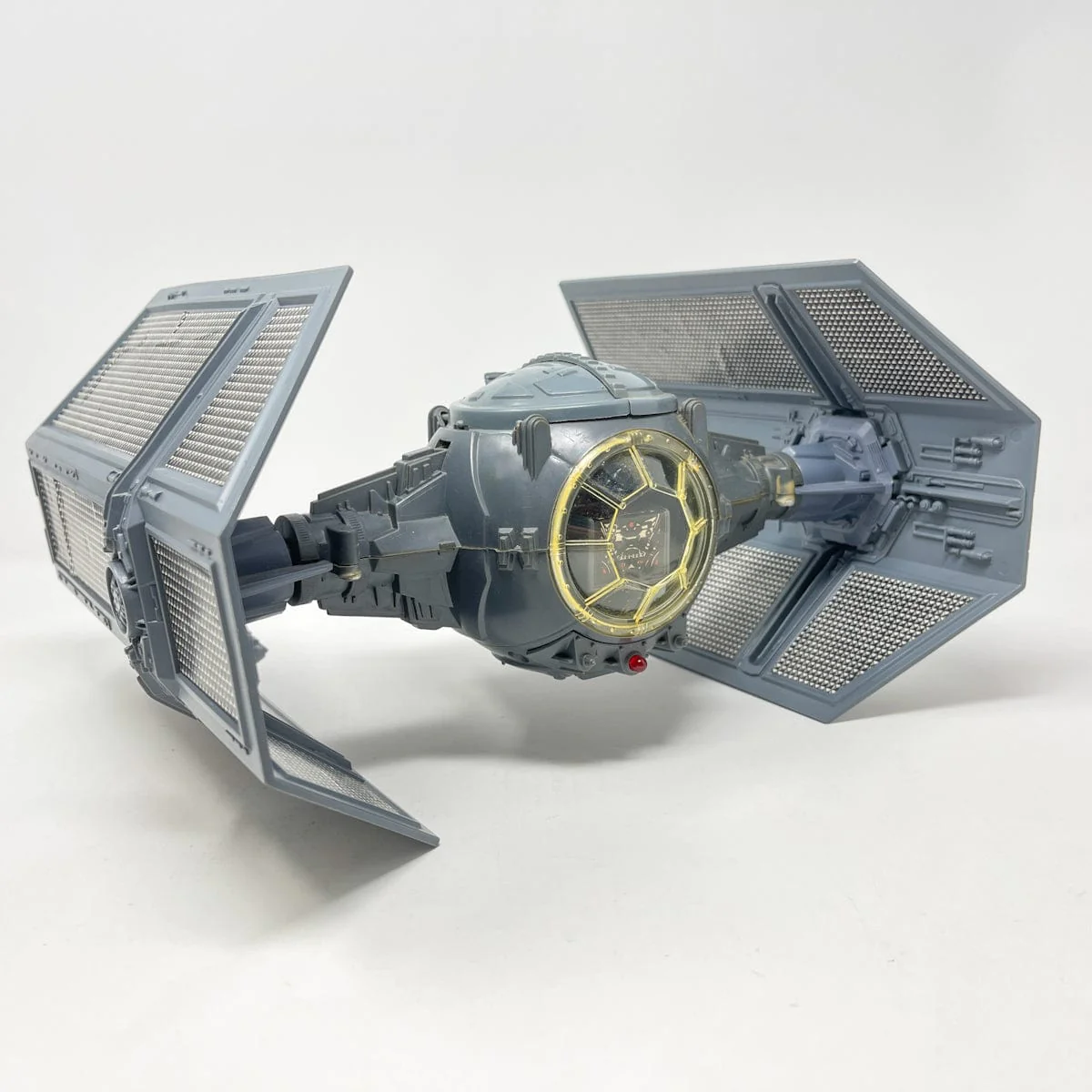
Esto fue simplemente una maqueta para fotografía y no una versión temprana del juguete. Es probable que las alas sean construidas a partir de estireno y pintadas. El resto es sólo un juguete pintado del TIE Fighter. Este trabajo de pintura es evidente cuando observas el blanco alrededor del borde y se nota que dejaron la escotilla cerrada cuando la pintaron “Evil Grey”. Así también el interior de la escotilla es blanco. Notar también que define que las alas tienen paneles solares.
Star Wars Destroy Death Star Game
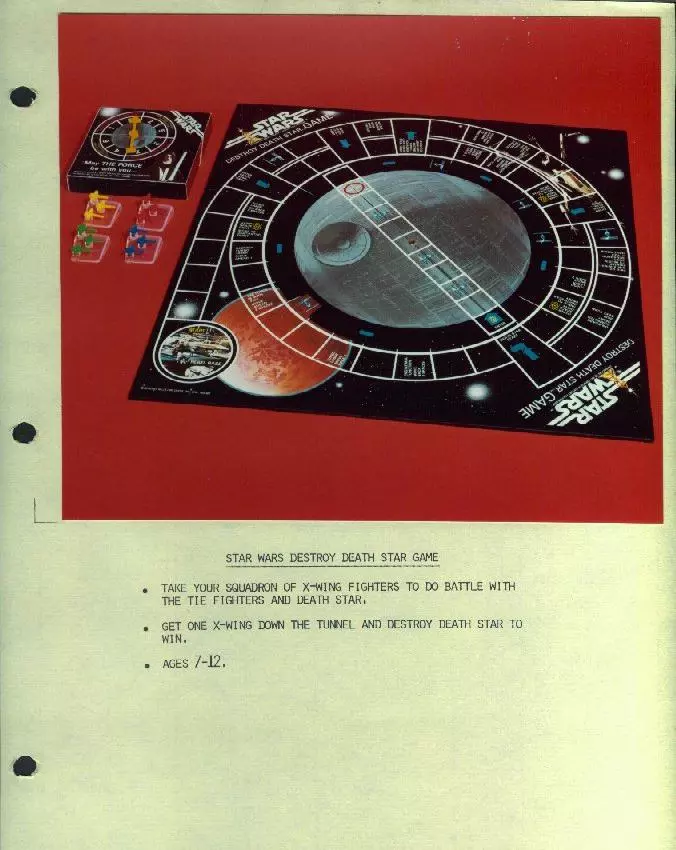
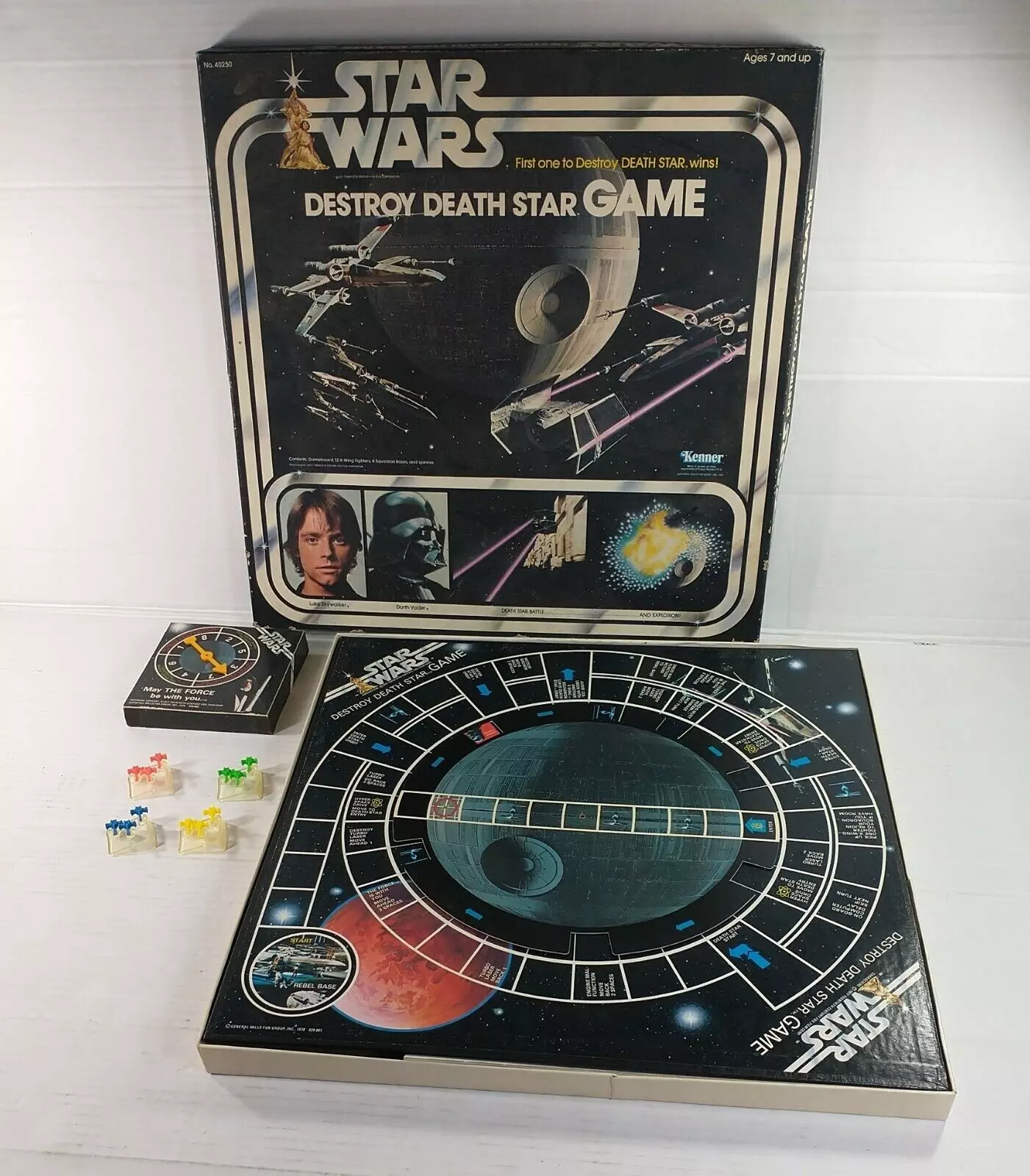
Este es el juego de edición estándar. El texto proporciona un breve resumen del propósito de este juego.
Star Wars Diecast Spacecraft Series I
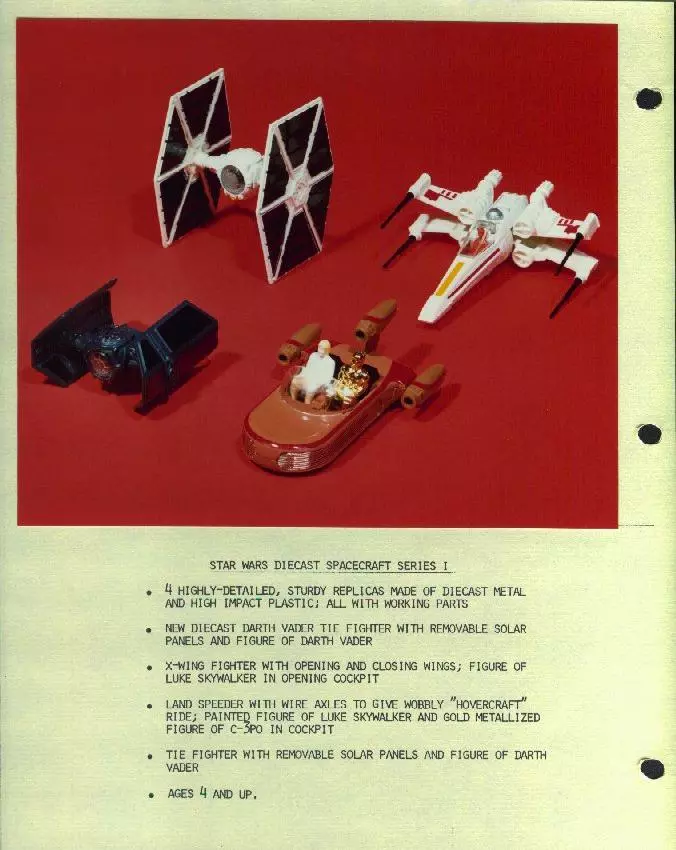
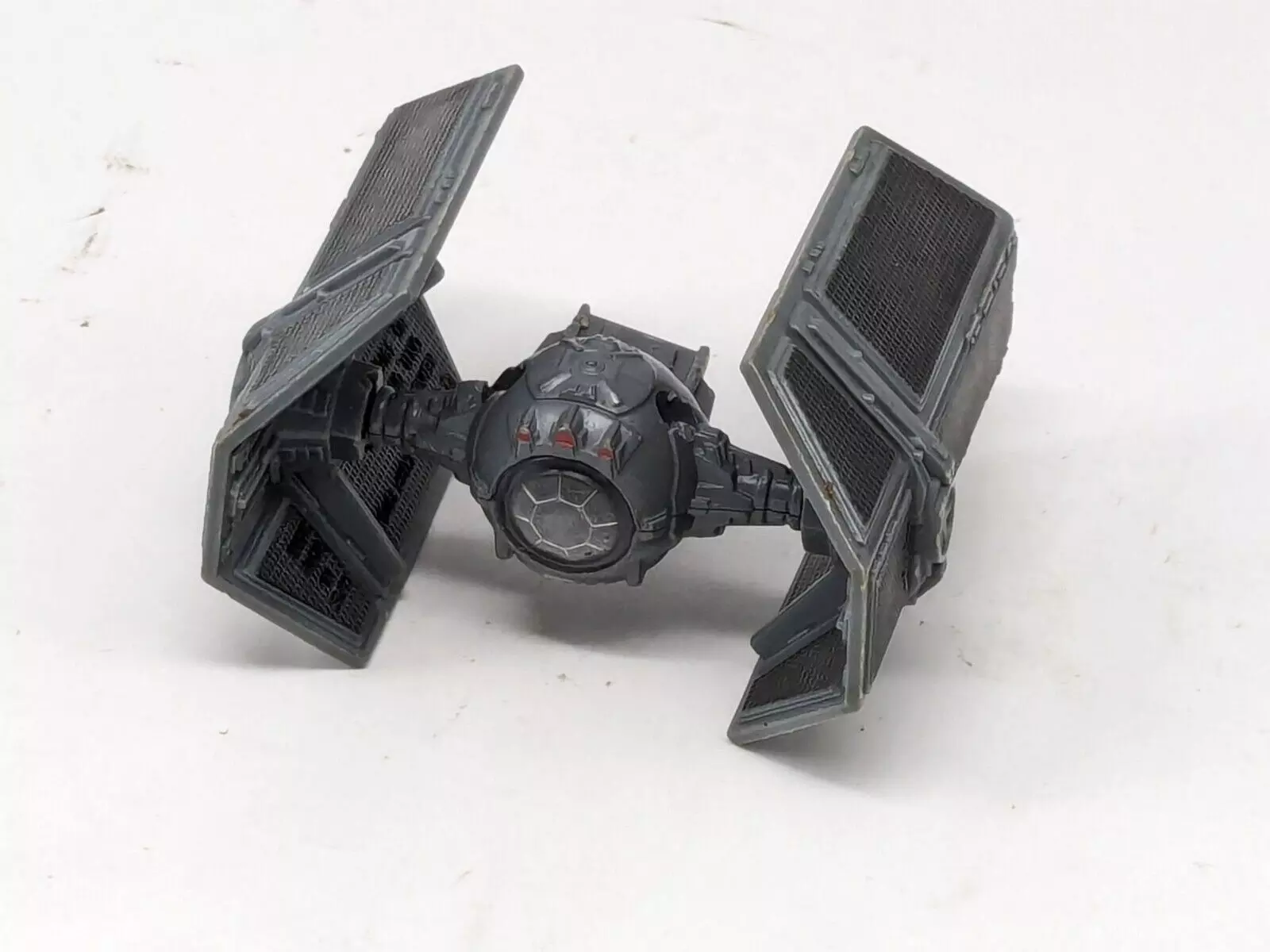
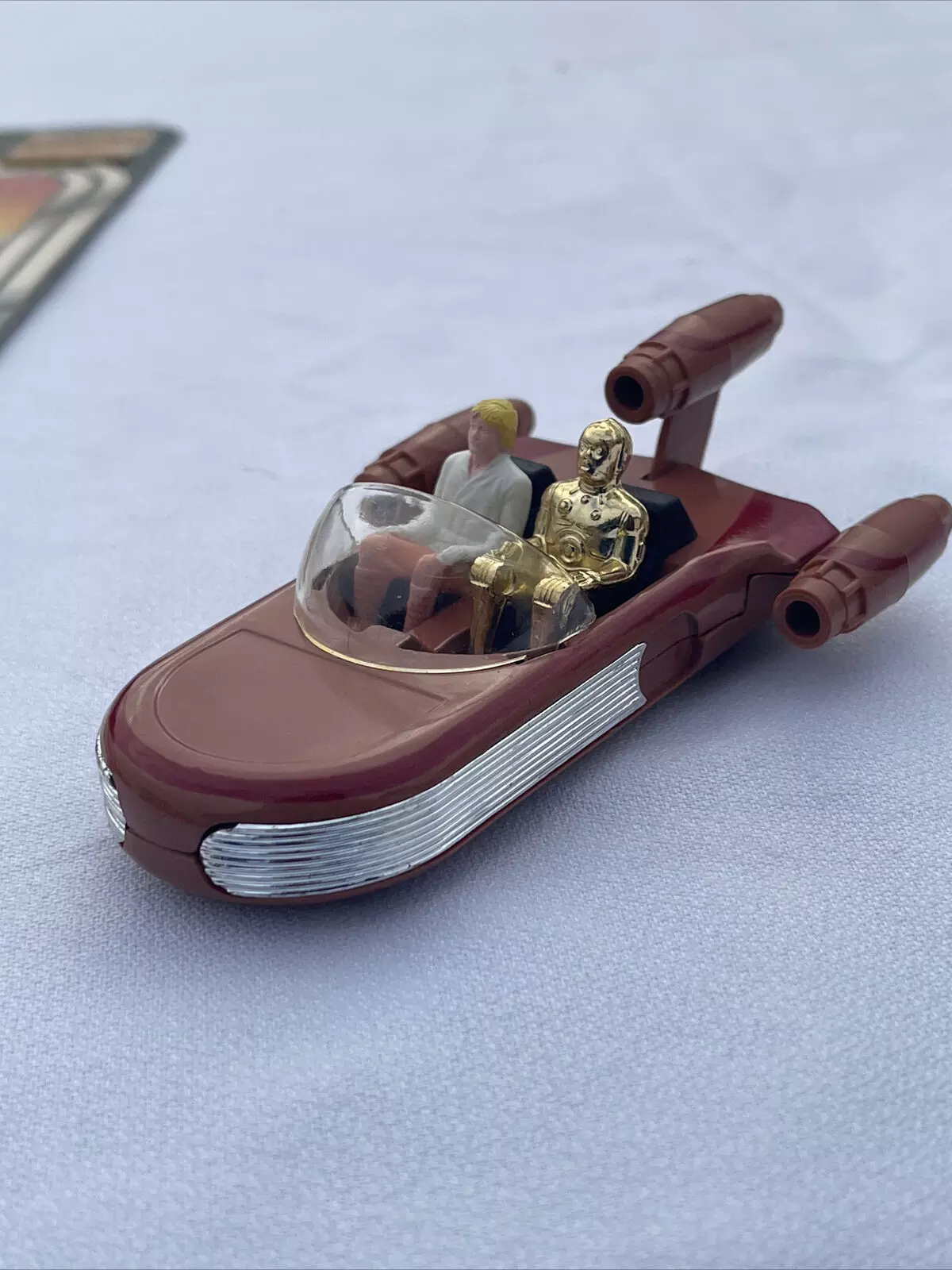
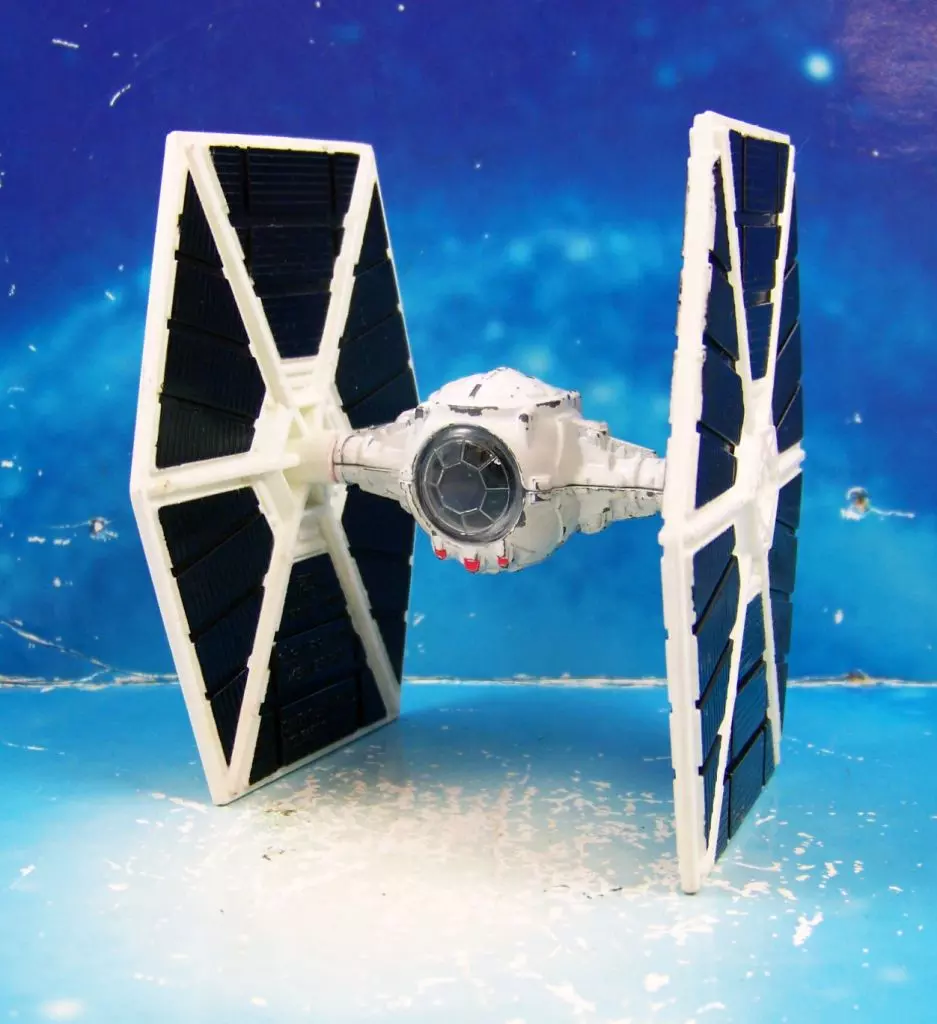
Ninguna de las naves parece ser diferente de sus versiones lanzadas, aunque el Darth Vader TIE Fighter parece estar pintado de un azul metálico oscuro en lugar de gris.
Star Wars Diecast Spacecraft Series II
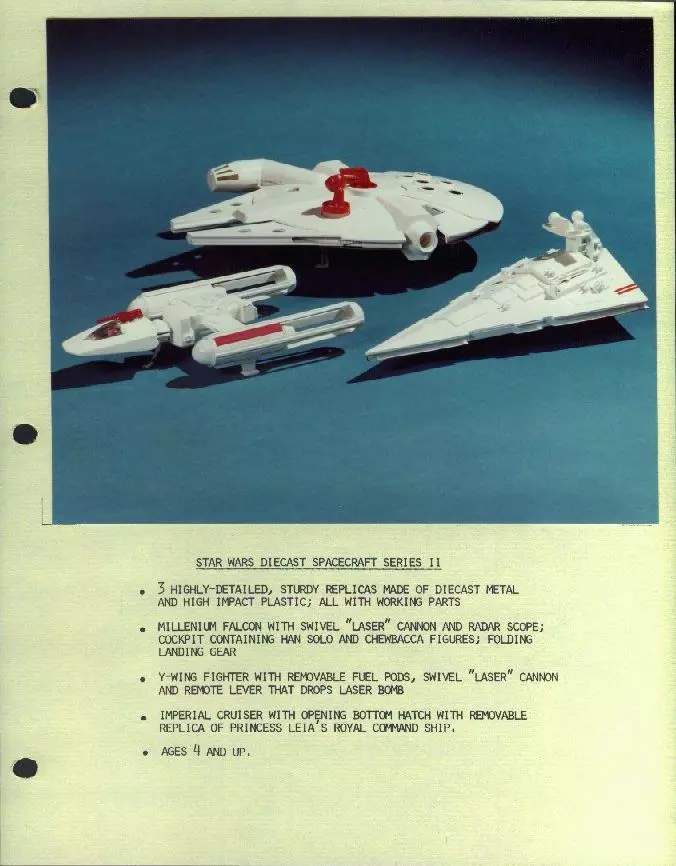
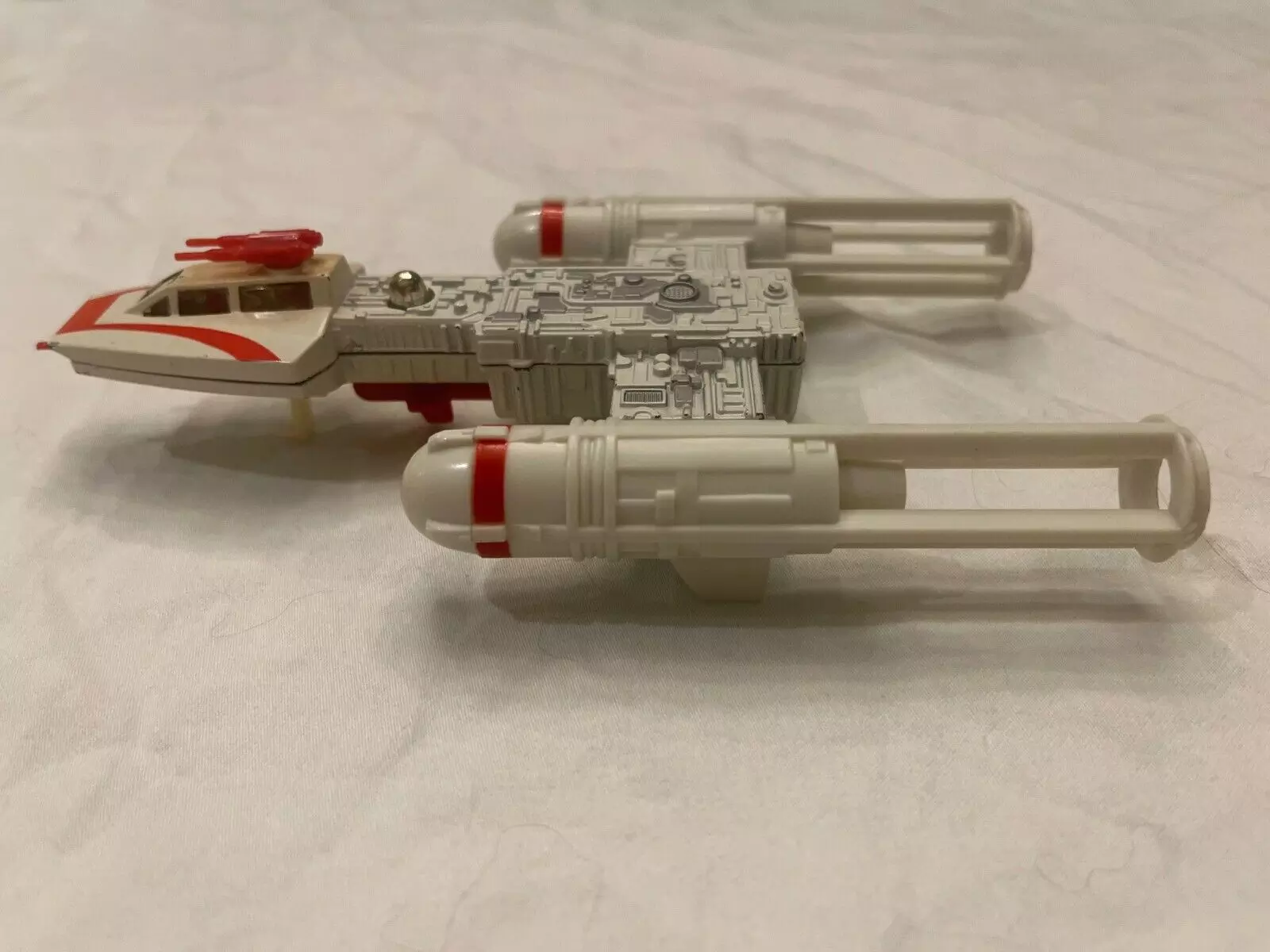
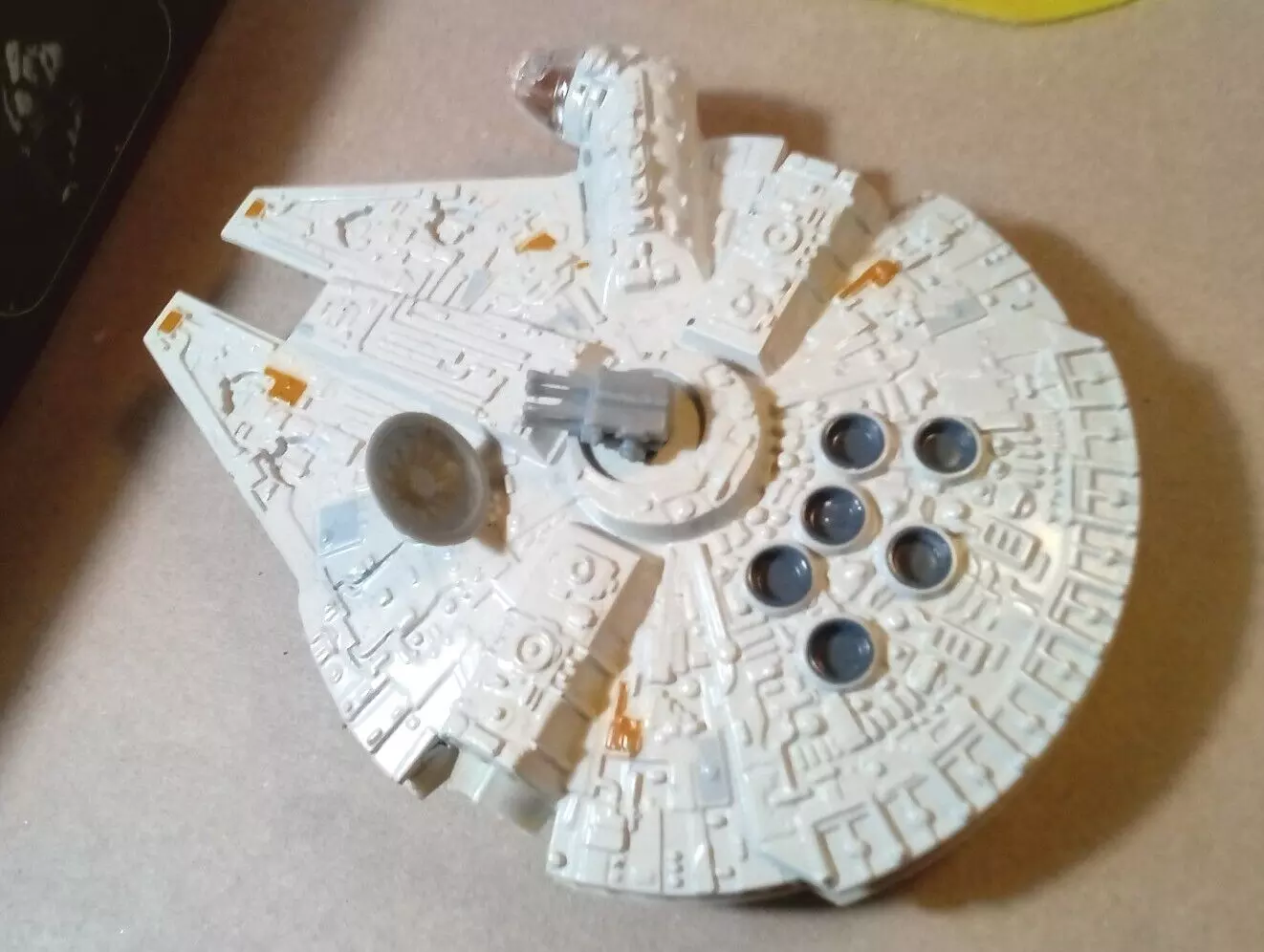
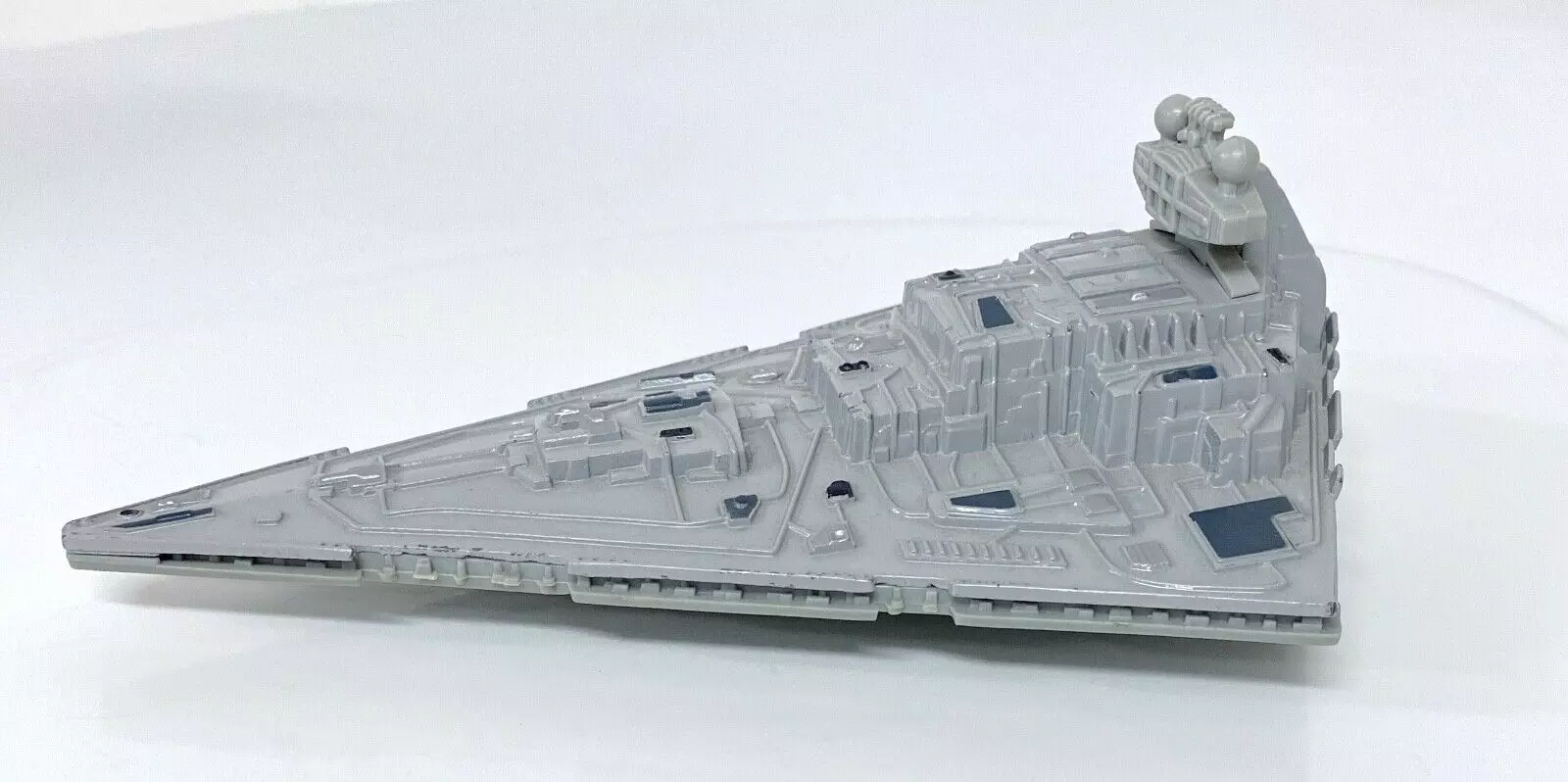
Esta es la misma foto que se muestra en el catálogo de Kenner de 1979. Los 3 vehículos parecen estar hechos de estireno blanco y claramente son maquetas tempranas destinadas a propósitos de fotografía. Las características de cada juguete corresponden con lo que se produjo, aunque no está claro si estos prototipos funcionaban de esa manera. Algo muy interesante aquí es la inclusión de un dial en el lado del Halcón Milenario que gira el plato radar y posiblemente el cañón láser. En particular, el producto final del Y-Wing es bastante parecido a su prototipo, no así las otras dos naves.
Star Wars Droid Factory
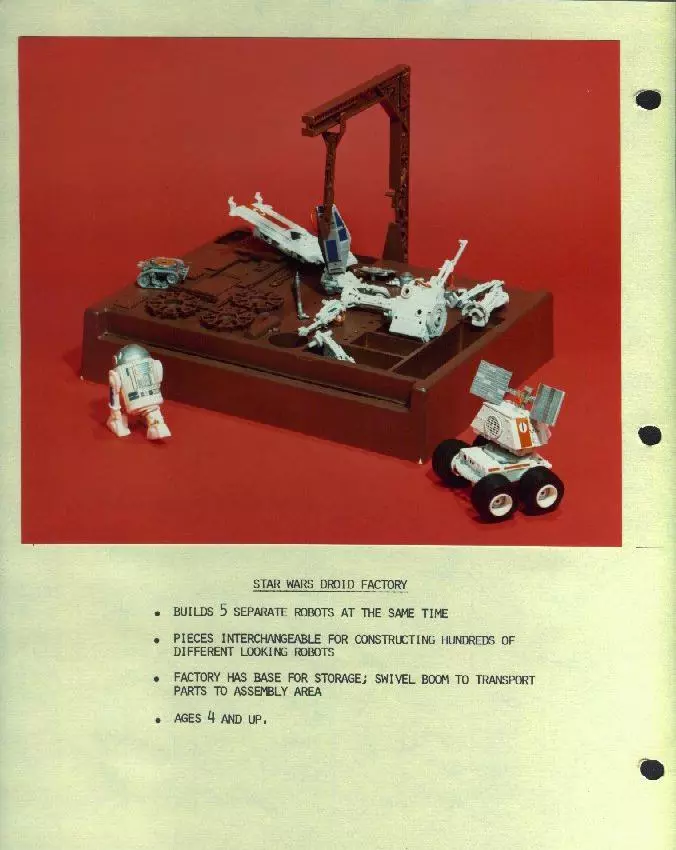
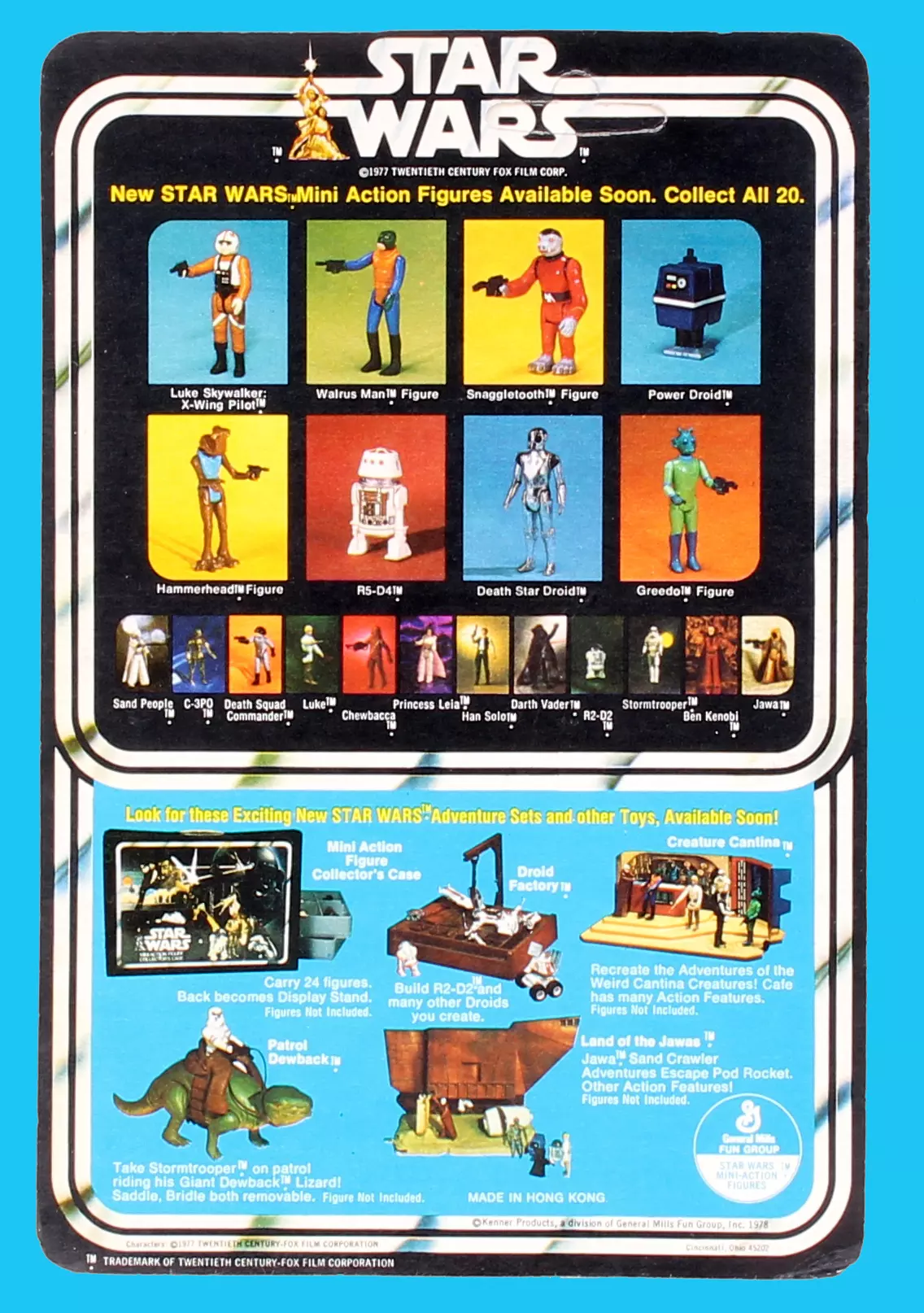
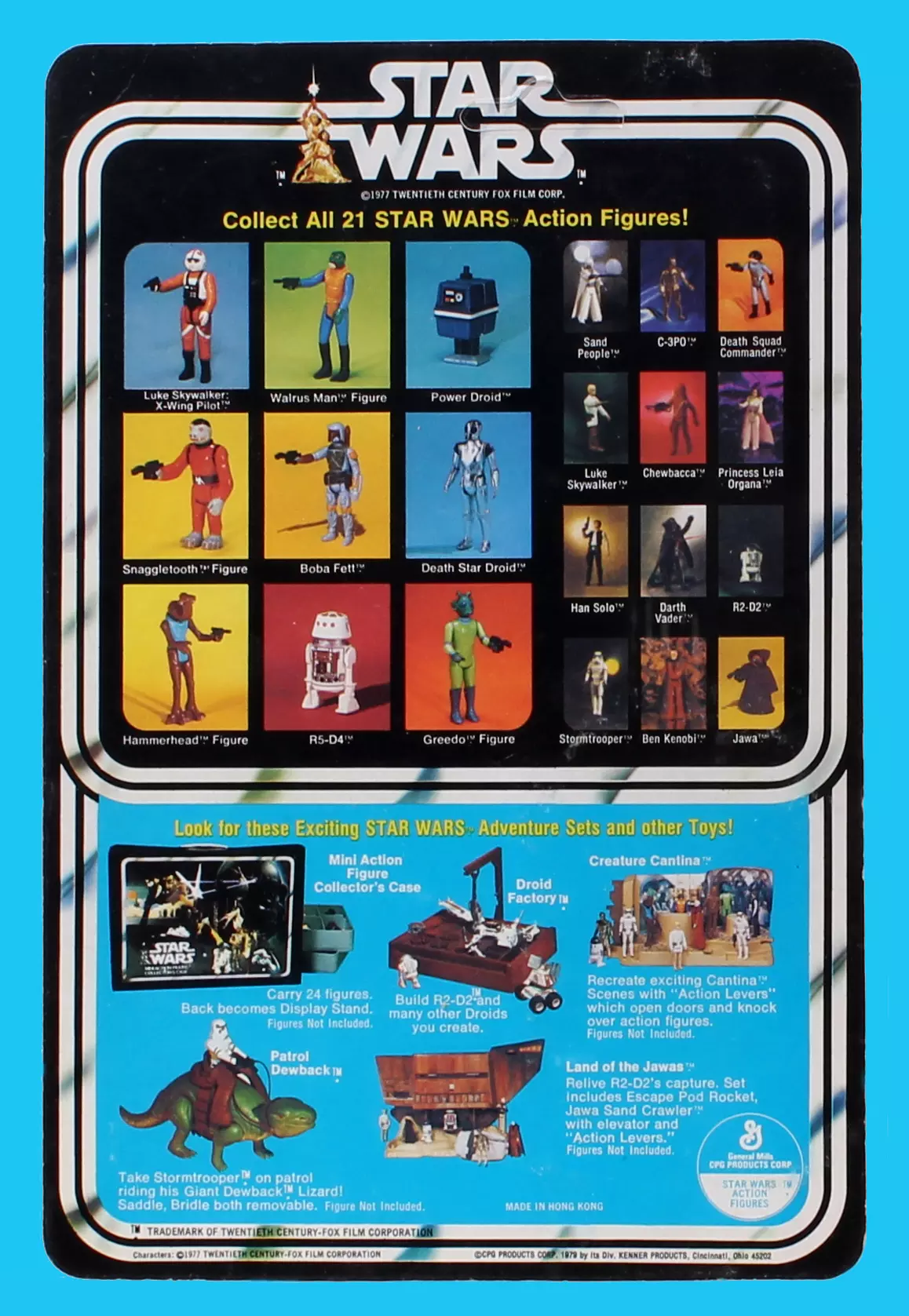
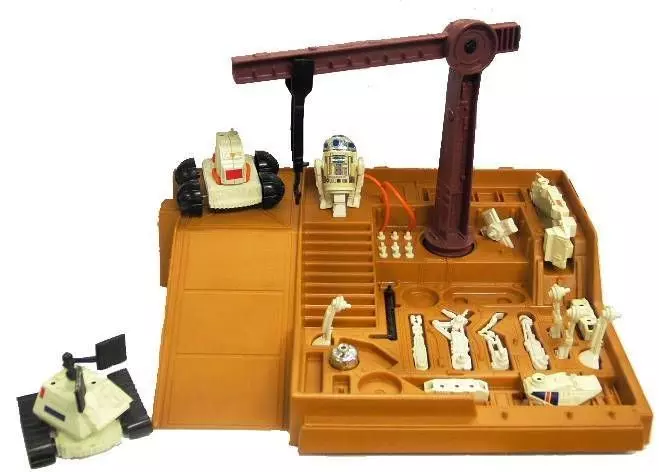
Esta misma foto se utilizó en la tarjeta de respaldo de la figura de la segunda serie (20 Back) y tercera serie (21 Back) de Star Wars, y en el catálogo de Kenner de 1979. Difiere mucho del juguete final y es un verdadero placer verlo de cerca como esto. La idea básica del conjunto era la misma, pero casi todo lo mostrado en esta foto fue modificado para la producción, aunque algunas de las piezas de los androides se parecen a sus contrapartes de producción. Parece que esta base prototipo estaba hecha de estireno blanco y pintada de marrón. Parece que los diseñadores pretendían agrupar las piezas en varios espacios en lugar de tener un espacio ajustado para cada pieza. Hay una manivela en el brazo de soporte de la grúa, pero no está claro si realmente era funcional. Pudiera ser que esto controlara el movimiento de ida y vuelta del gancho.
Imperial Troop Transporter
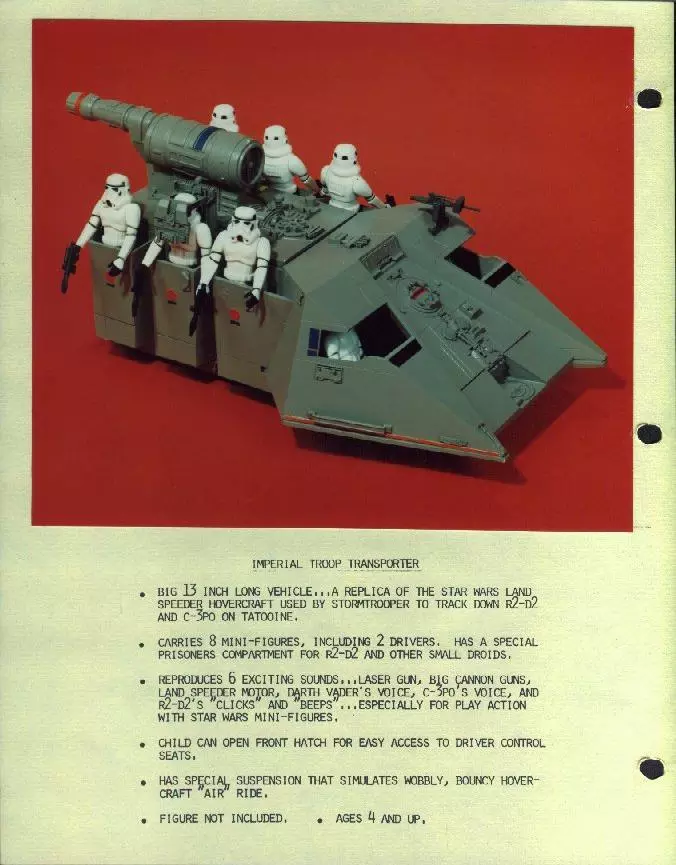
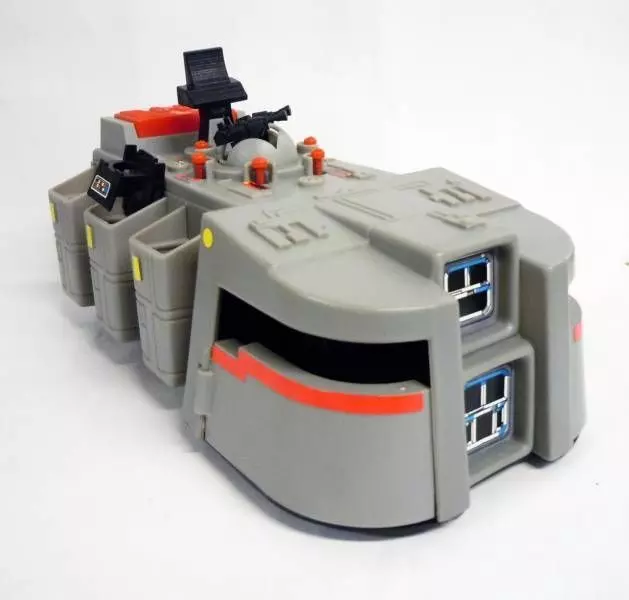
Qué más se puede decir más que este prototipo es espectacular. Este debe ser una maqueta conceptual temprana del diseño y no totalmente representativa de la forma final, pero muchas de las funciones están presentes incluso en esta etapa. Esa es una parte del motor de un juguete X-Wing en la parte superior y el resto parece estar hecho de estireno blanco con piezas de modelos adjuntas, lo que se conoce como “kit-bashing”. Supongo que los ángulos agudos se incluyeron aquí porque el estireno está en láminas y se puede cortar y pegar fácilmente en formas prismáticas como esta. Hay un solo botón en la parte superior en lugar de uno para cada uno de los 6 sonidos. Quién sabe si este tenía una unidad de habla en su interior o no. La Unidad de Inmovilización de Prisioneros se muestra en la cabeza de un Stormtrooper aunque no se menciona en la descripción. Interesante que se menciona cuál era su papel en la película aunque dicha escena nunca se filmó. El cómic incluido con el juguete continuó describiendo esa escena para los niños. Parece que estaban planeando una suspensión tipo Landspeeder en este punto, pero seguramente lo eliminaron debido al costo.
Star Wars Jawa Bop Bag
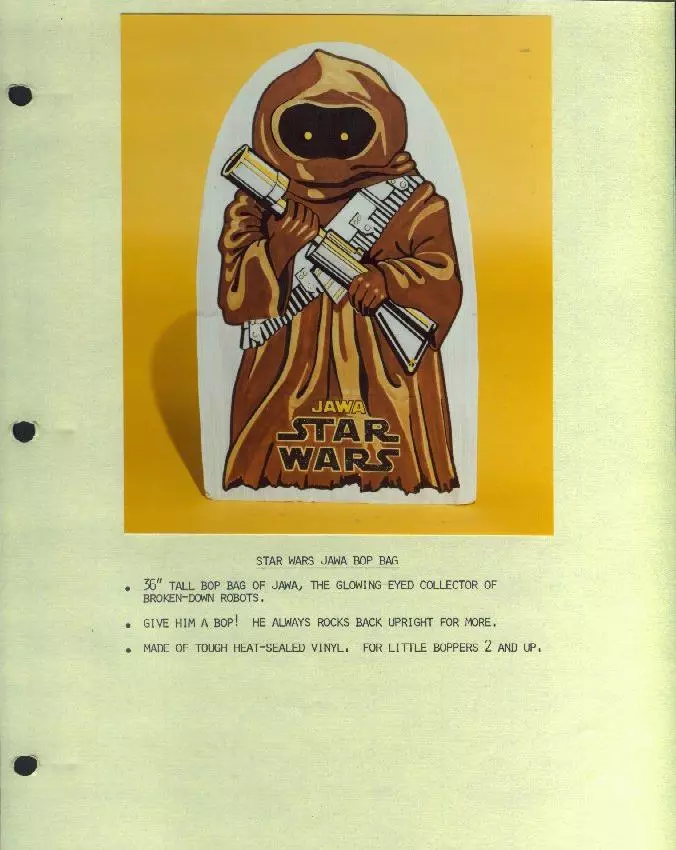
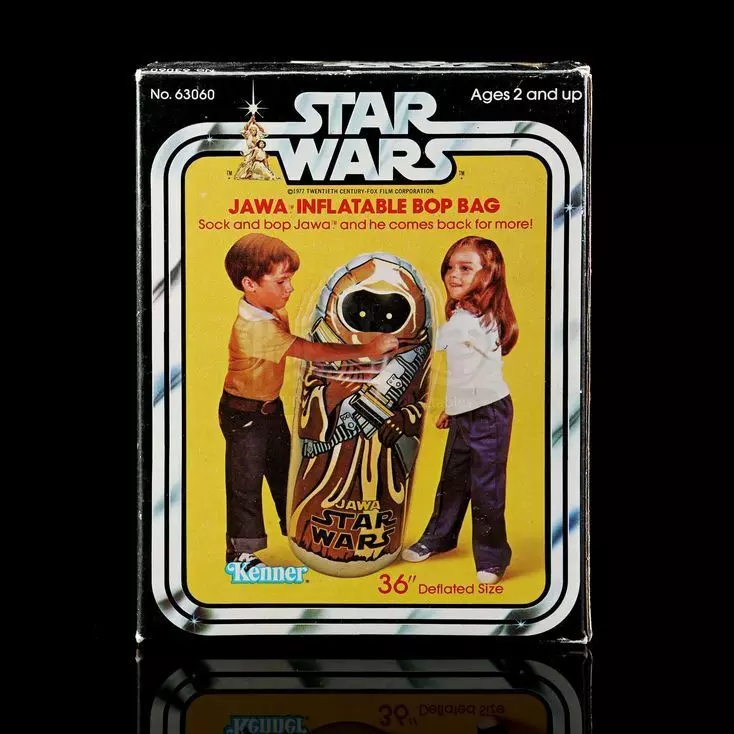
El arte para la versión final de este mono porfiado fue ligeramente modificado. Los colores aquí son un poco más claros y la mayoría de los detalles están ligeramente alterados en todas partes. No está claro si esta es una bolsa impresa real o simplemente un concepto del artista, ya que es solo bidimensional.
Star Wars Land of the Jawas
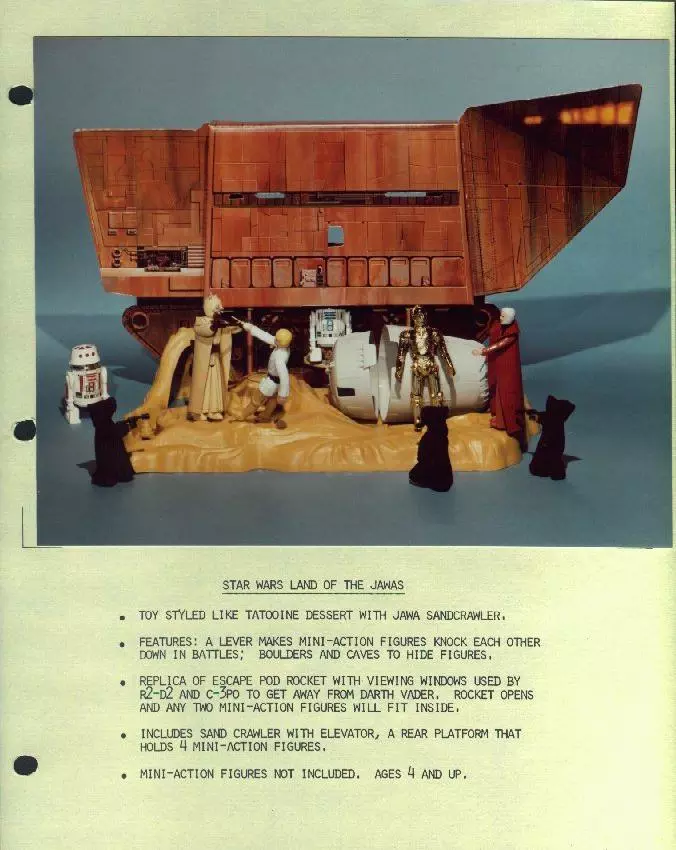
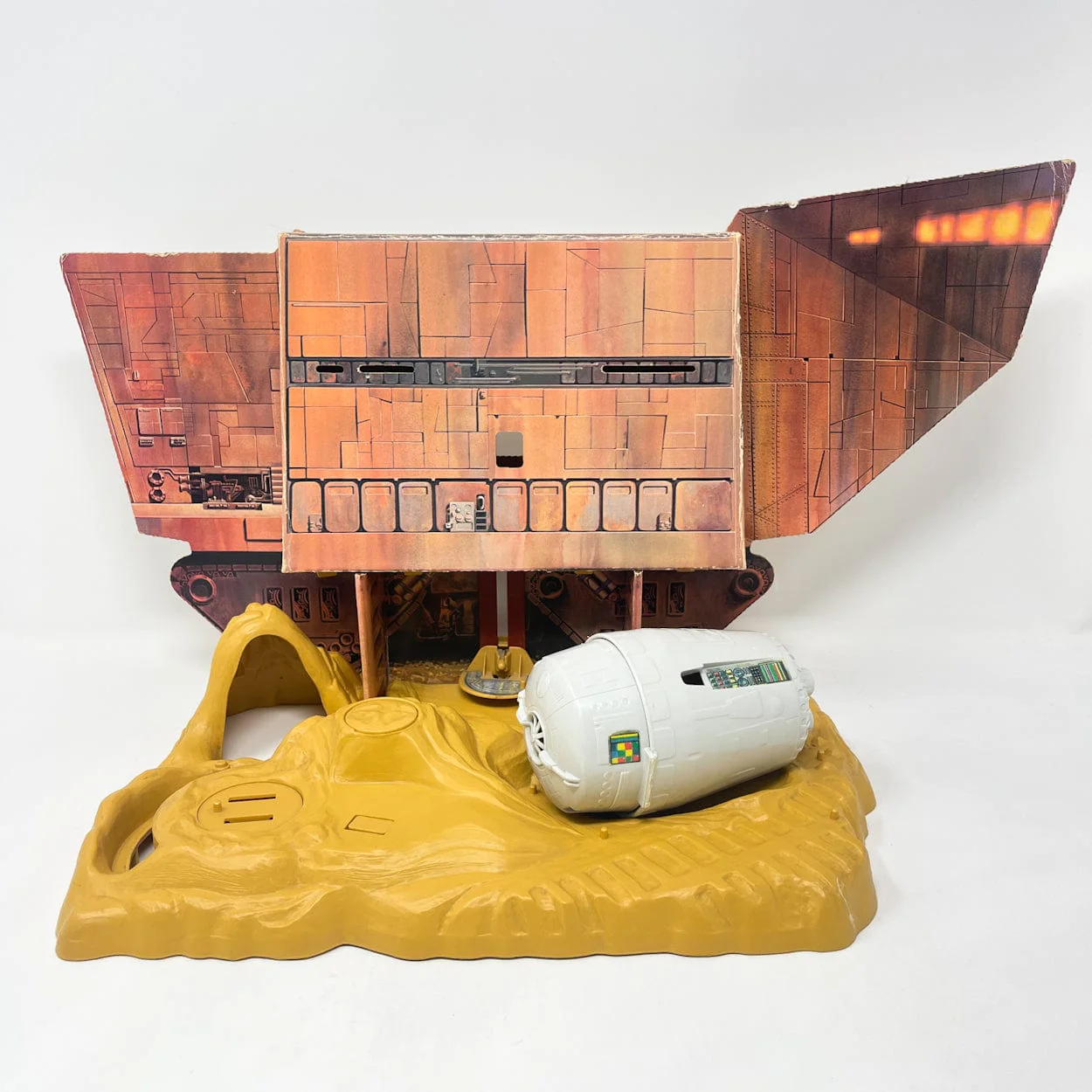
Foto de Kim David Mc Neill Simmons del archivo de Kenner. No he visto que esta fotografía se haya utilizado en otro material. En ninguna parte se menciona que el Sandcrawler es un fondo de cartón. Aún así, este fue un set muy popular, y hoy en día cuesta conseguir alguno en perfecto estado.
Star Wars Boba Fett, Galactic Bounty Hunter Large-Size Action Figure
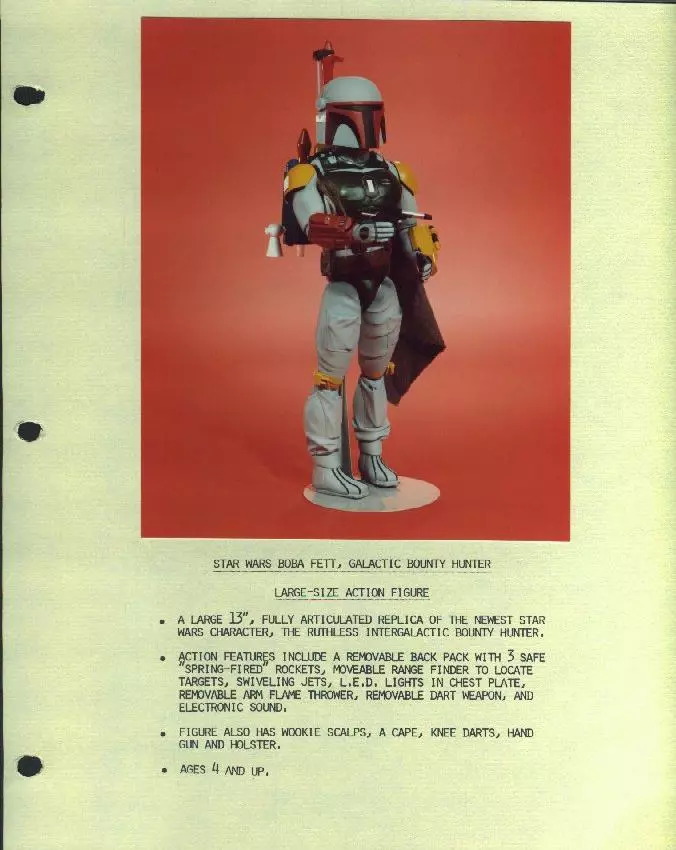
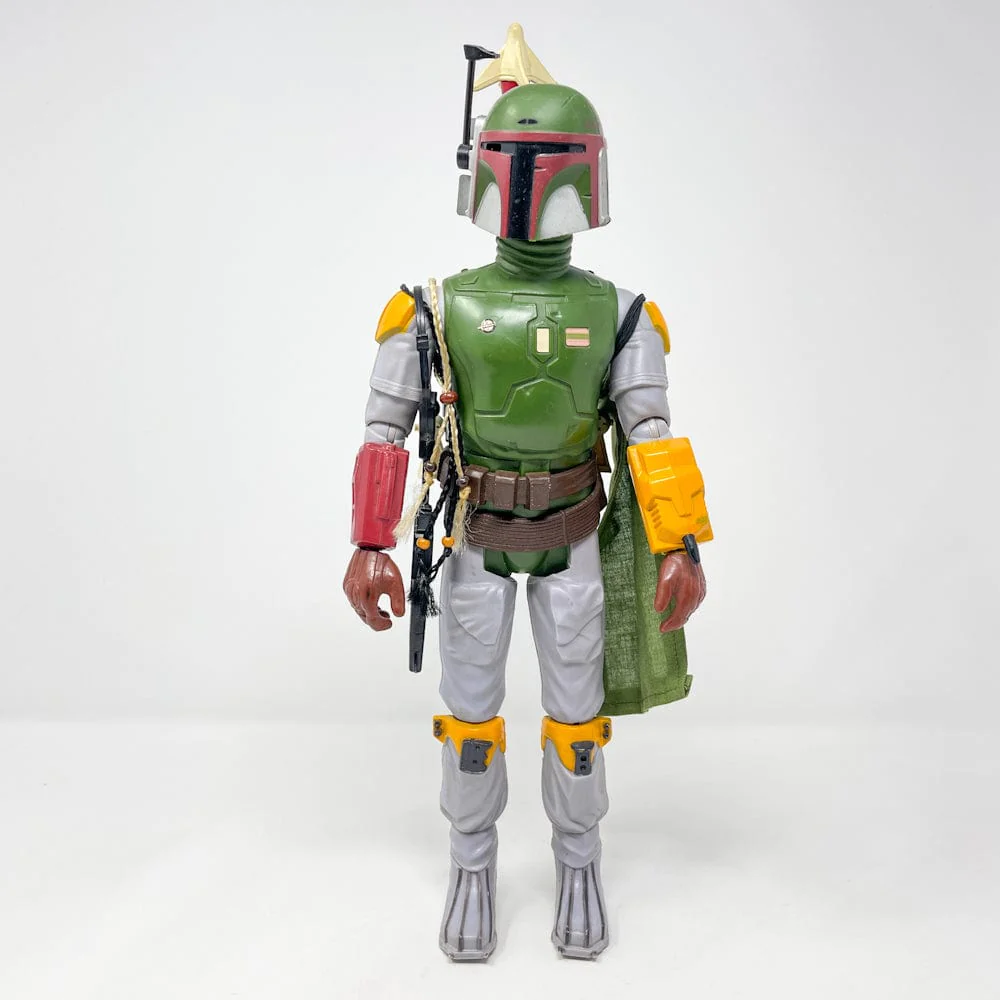
Este prototipo de la figura de 13″ de Boba Fett se asemeja, visualmente, más a la versión de lujo que apareció en la línea POTF2 en 1998 que la que se produjo en la colección vintage en 1979. Se mencionan 3 cohetes de resorte de disparo seguro (dos cortos y uno largo), luces LED en la placa del pecho, lanzallamas de brazo removible, arma de dardos removible, sonido electrónico y dardos en las rodillas. Supongo que esto habría excedido su presupuesto, así que eliminaron casi todo y dejaron solo un cohete que se podía quitar y adjuntaron el lanzallamas en el brazo. El arma en esta versión es mucho más pequeña que la de producción. El esculpido también es 100% diferente. No hay forma de saber si este prototipo tenía todas estas características o no, pero creo que los codiciados prototipos de figuras de acción con lanzamiento de cohetes casi palidecen en comparación.
Star Wars C-3PO Large Size Action Figure
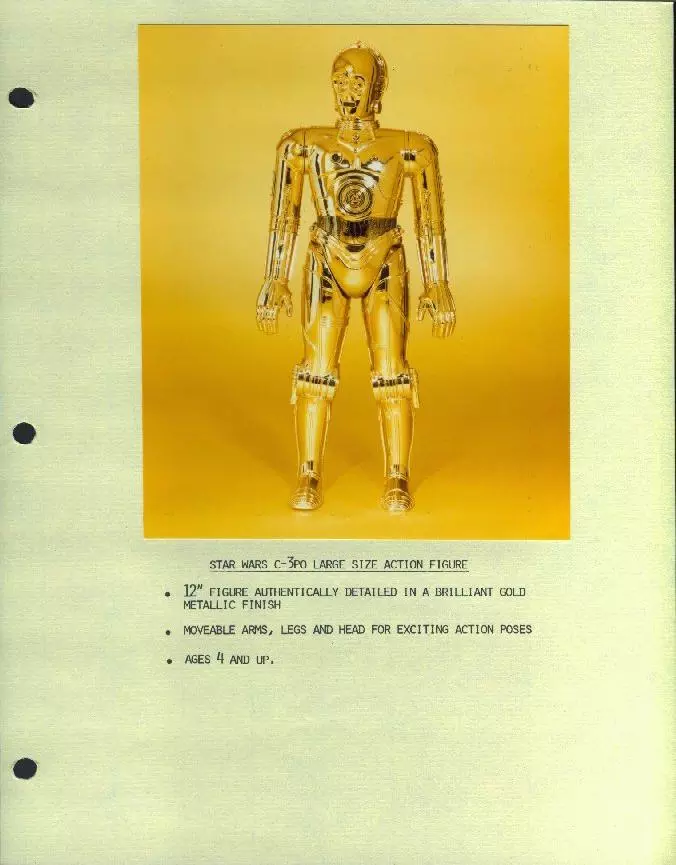
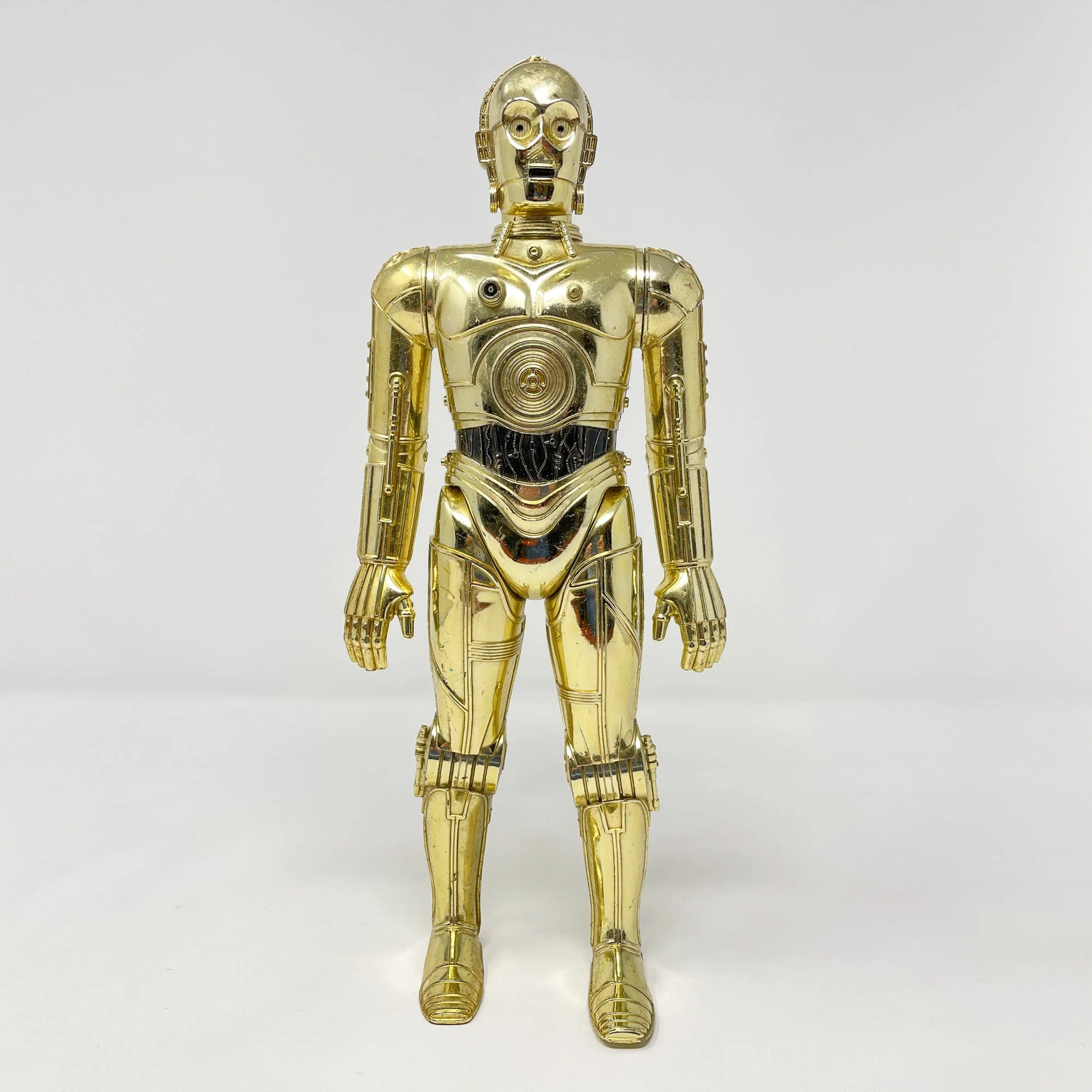
Esta fue la versión final del juguete y dado que ofrecía poco más allá de su forma característica, no había mucho que decir o hacer por parte de Kenner.
Star Wars Han Solo Large Size Action Figure
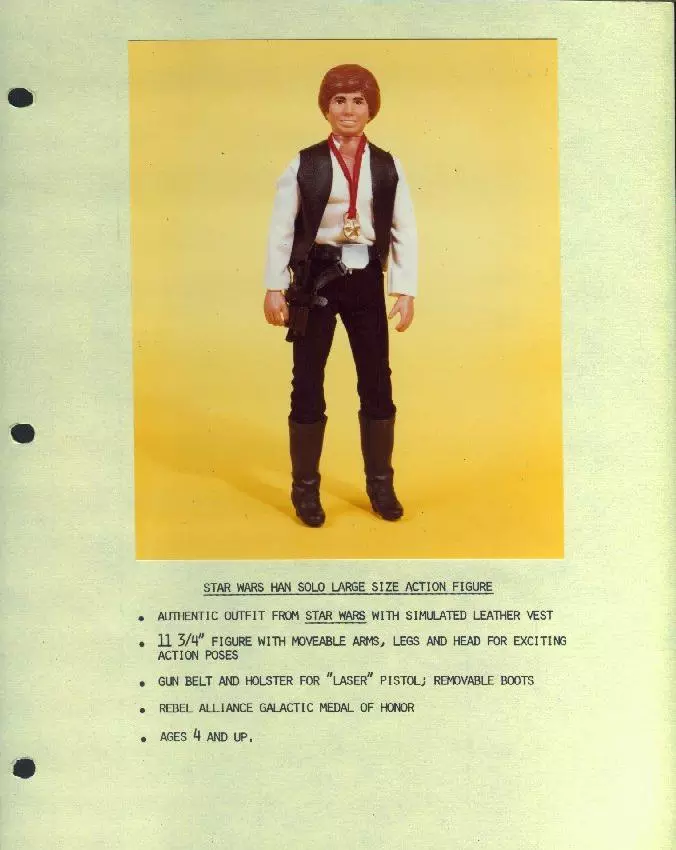
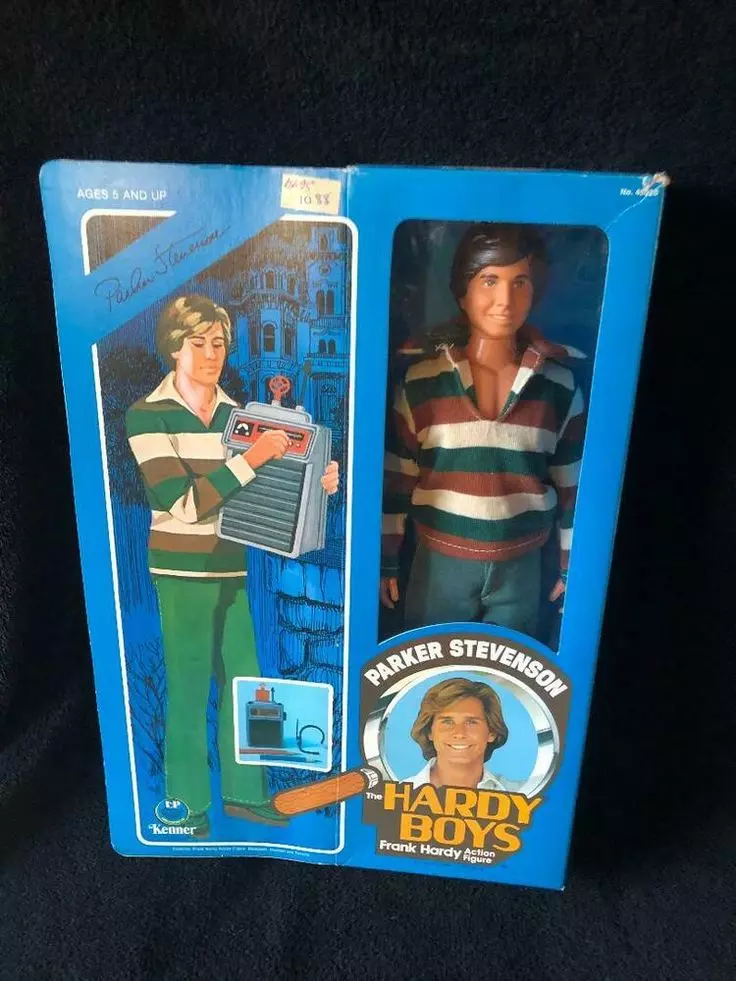
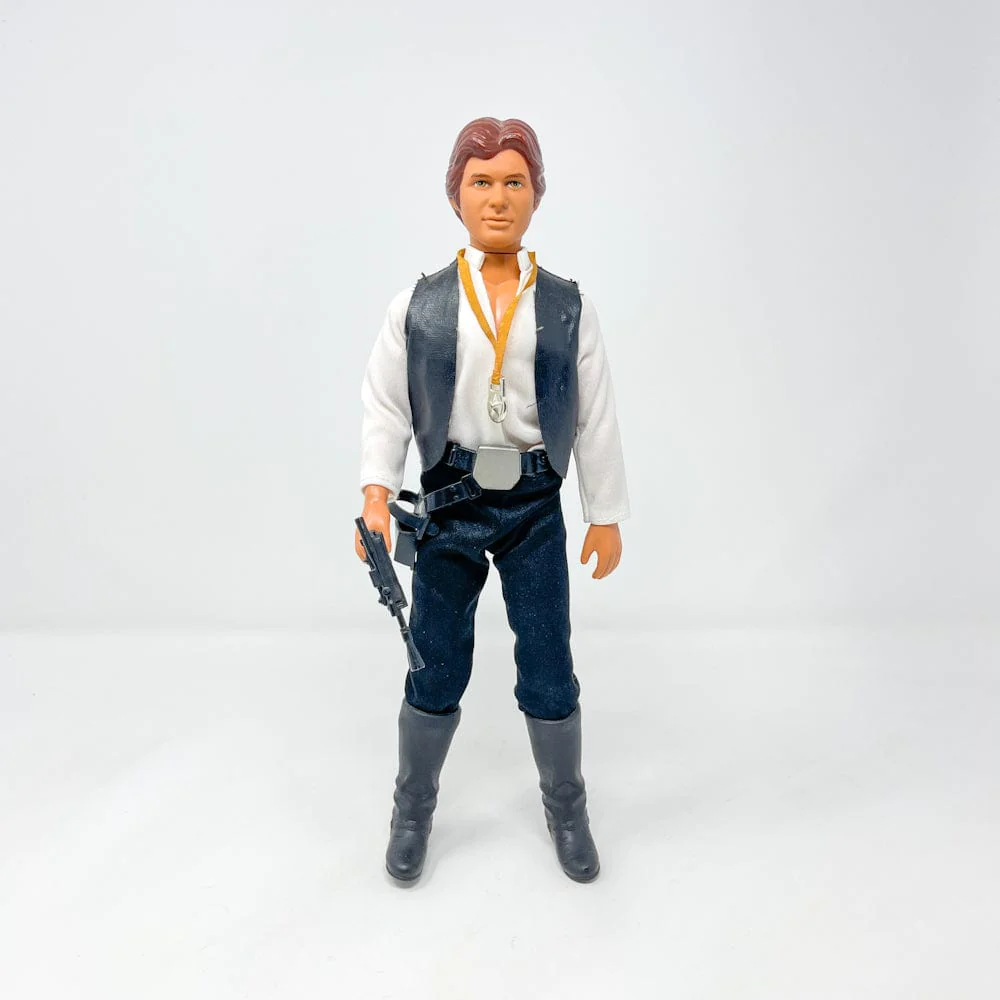
Kenner era conocido por utilizar juguetes existentes como parte de sus procesos iniciales de concepto, maquetación y fotografía, y este juguete no fue una excepción. Aquí entra en escena la figura de Frank Hardy (también de fabricación Kenner) como Han Solo. Este fantástico uso de un muñeco de los Hermanos Hardy permitió a Kenner ensamblar fácilmente un parecido a Han Solo. La ropa podría crearse bastante fácilmente, por lo que no tomó mucho tiempo armar este juguete.
Lo que puede que no sea muy conocido es que Kenner usó este mismo juguete para sus primeros conceptos del muñeco de Lando Calrissian durante El Imperio Contraataca. Dado que esa serie de muñecos nunca llegó a la producción, hay muy pocas fotos disponibles. La escultura final de Lando era un parecido asombroso, aunque la maqueta dejaba mucho que desear. Lo que hizo Kenner fue pintar el rostro de Frank Hardy de color marrón y su cabello de negro. La adición de un bigote negro fue el toque final.
Star Wars R2-D2 Large Size Action Figure
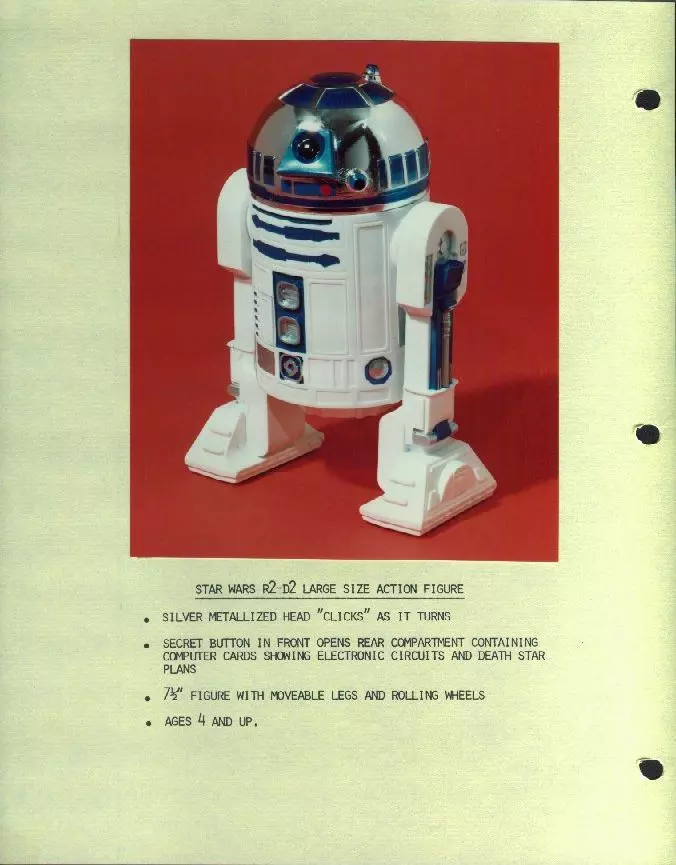
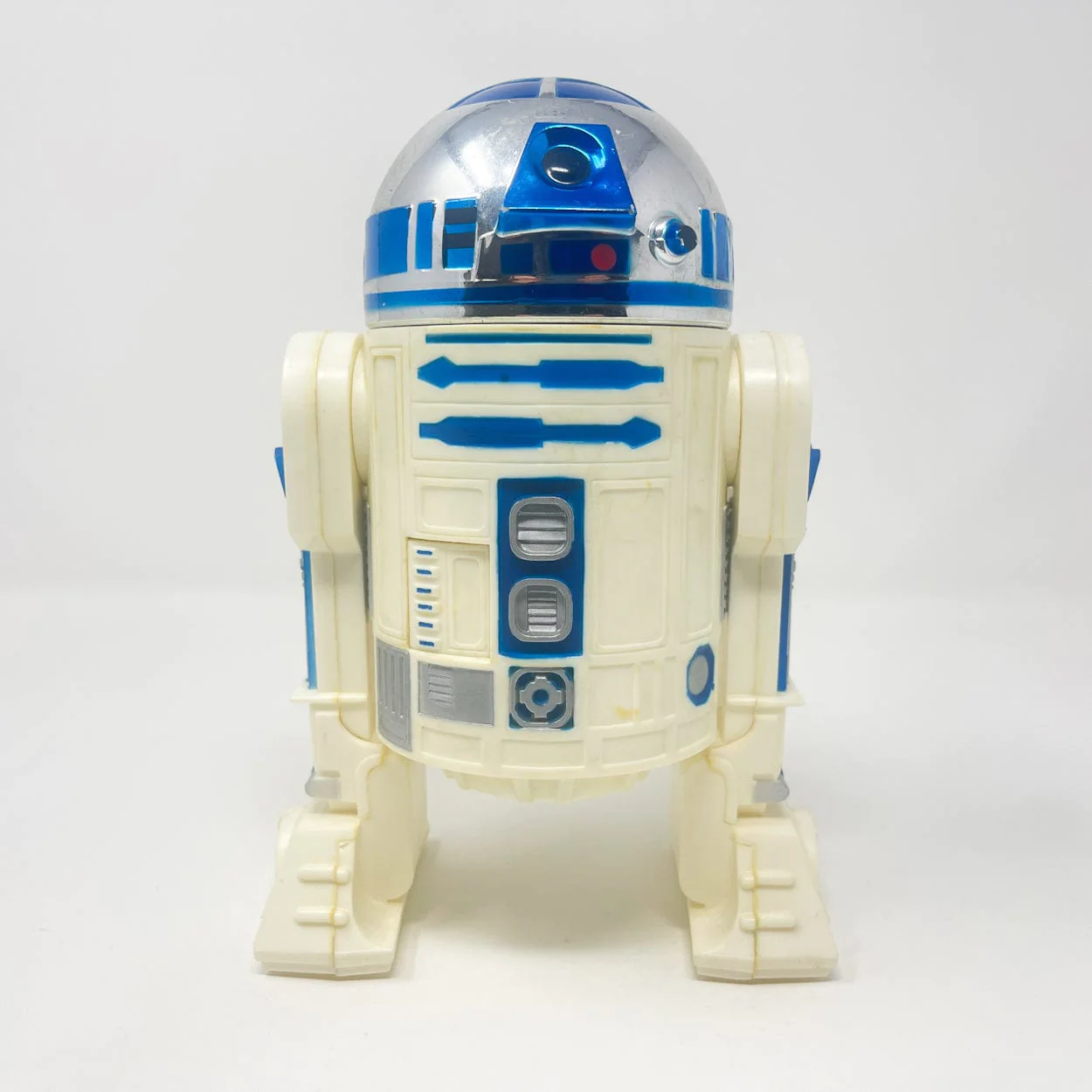
Esta puede haber sido la versión final del juguete y dado que ofrecía poco más allá de su forma característica, no había mucho que decir o hacer por parte de Kenner. Puede ser por la luz de la foto que haga que el prototipo se vea con un azul más oscuro. El cabezal que se puede mover y el compartimento secreto eran las características “de acción” de este juguete en particular.
Star Wars Stormtrooper Large Size Action Figure
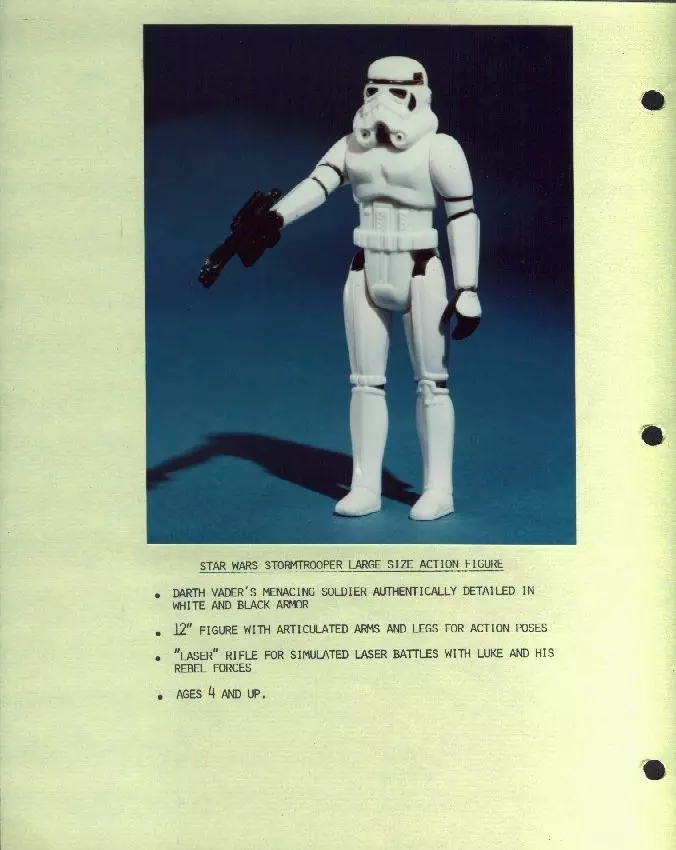
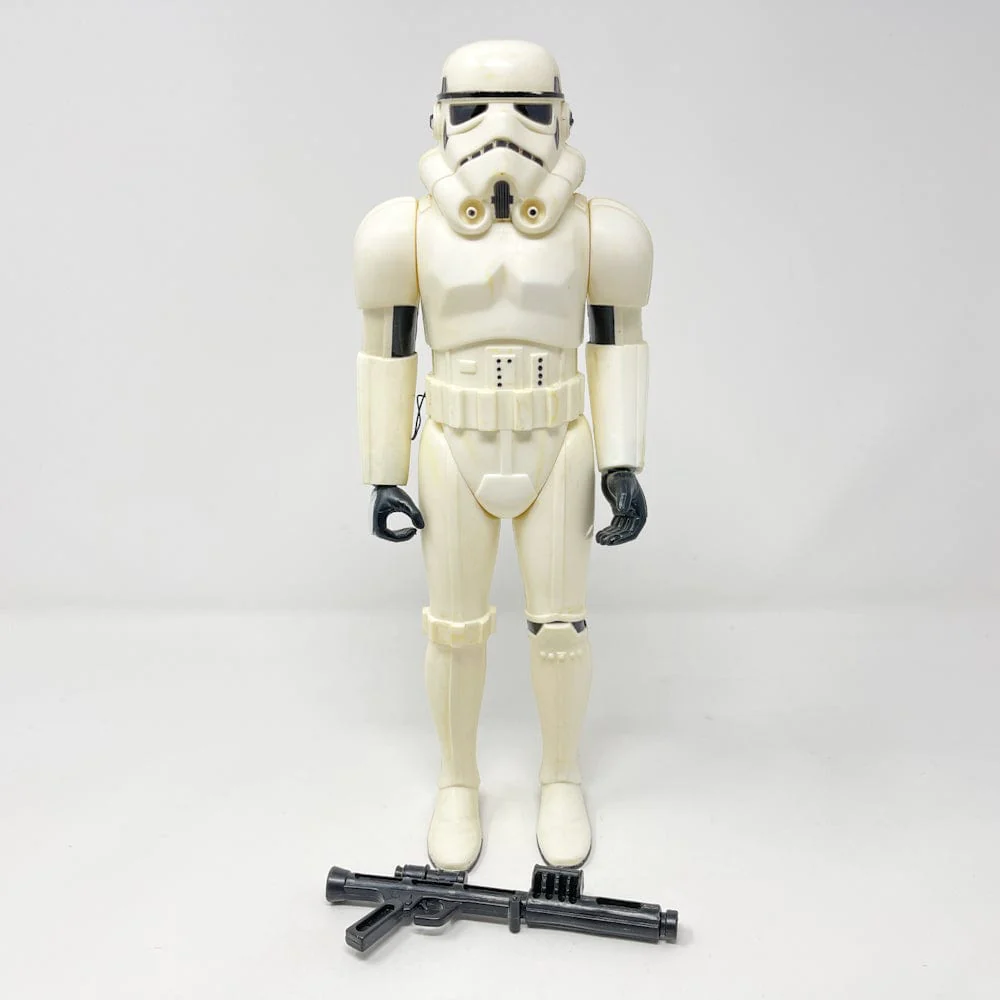
Para el Stormtrooper no tuvieron tiempo o no había mucho más que hacer que mostrar que la figura de mayor tamaño debía ser igual a la de 3 3/4 ya existente.
Star Wars Millenium Falcon Spaceship
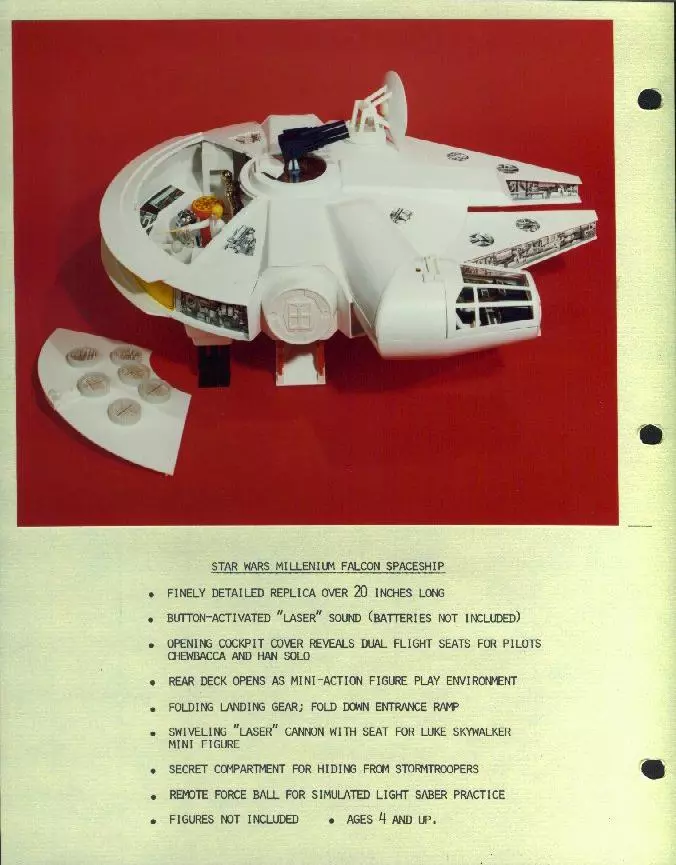
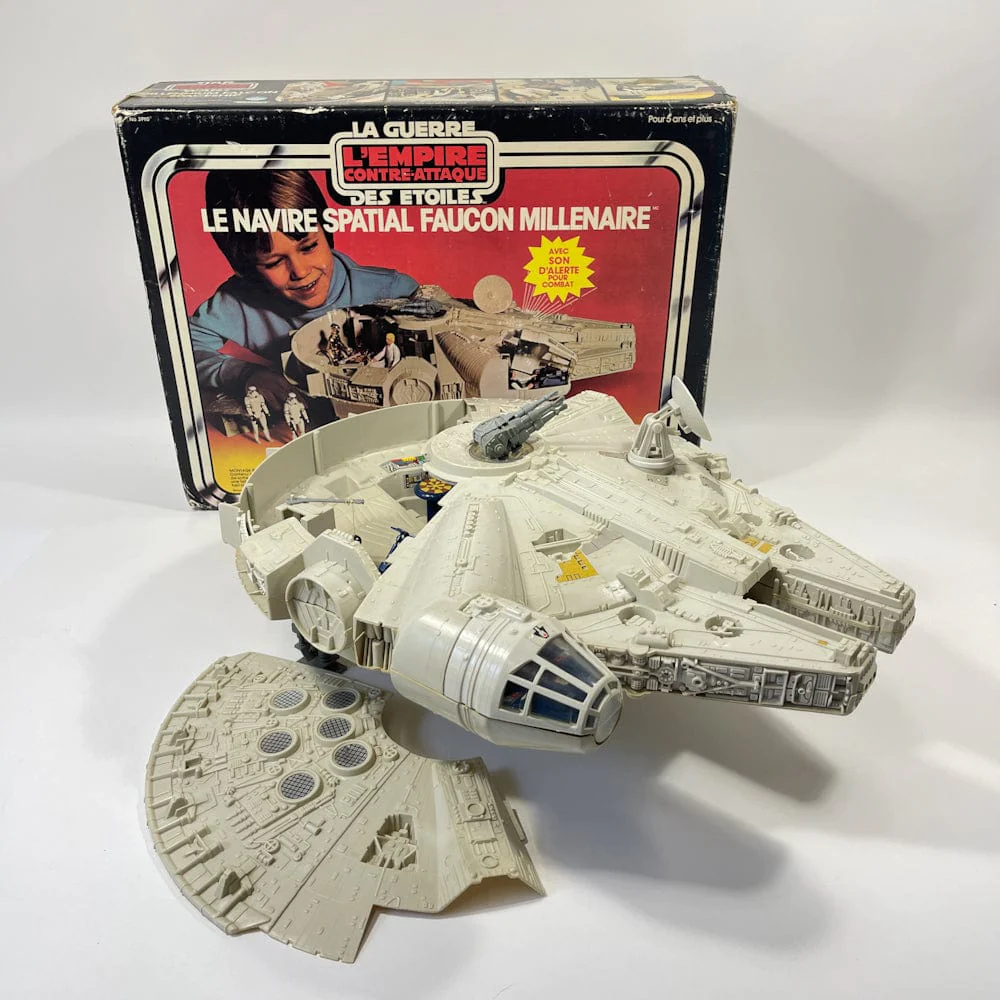
Este prototipo de estireno blanco tiene muy pocos de los detalles exteriores presentes en la versión final del juguete. Cada característica parece estar en orden. La mesa de ajedrez es de color naranja, aunque ni siquiera lo mencionan como una de las adiciones importantes al interior. Realmente no hay mucho que decir sobre esto porque definitivamente fue un prototipo creado para fotografía temprana y propósitos conceptuales. Interesante ver que se incluyen además descripciones comerciales como el clásico “Figures not included”.
Movie Cassette Library
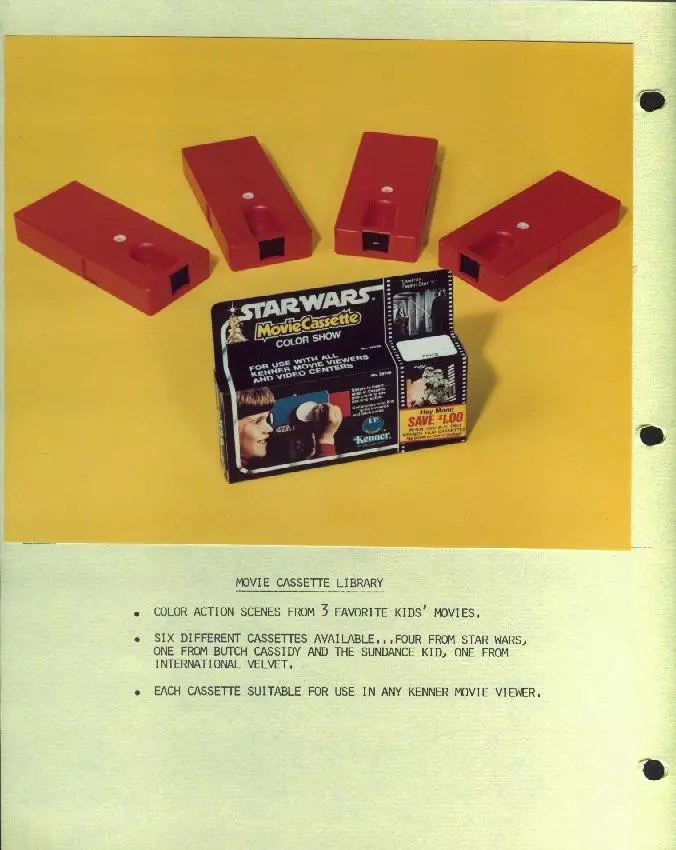
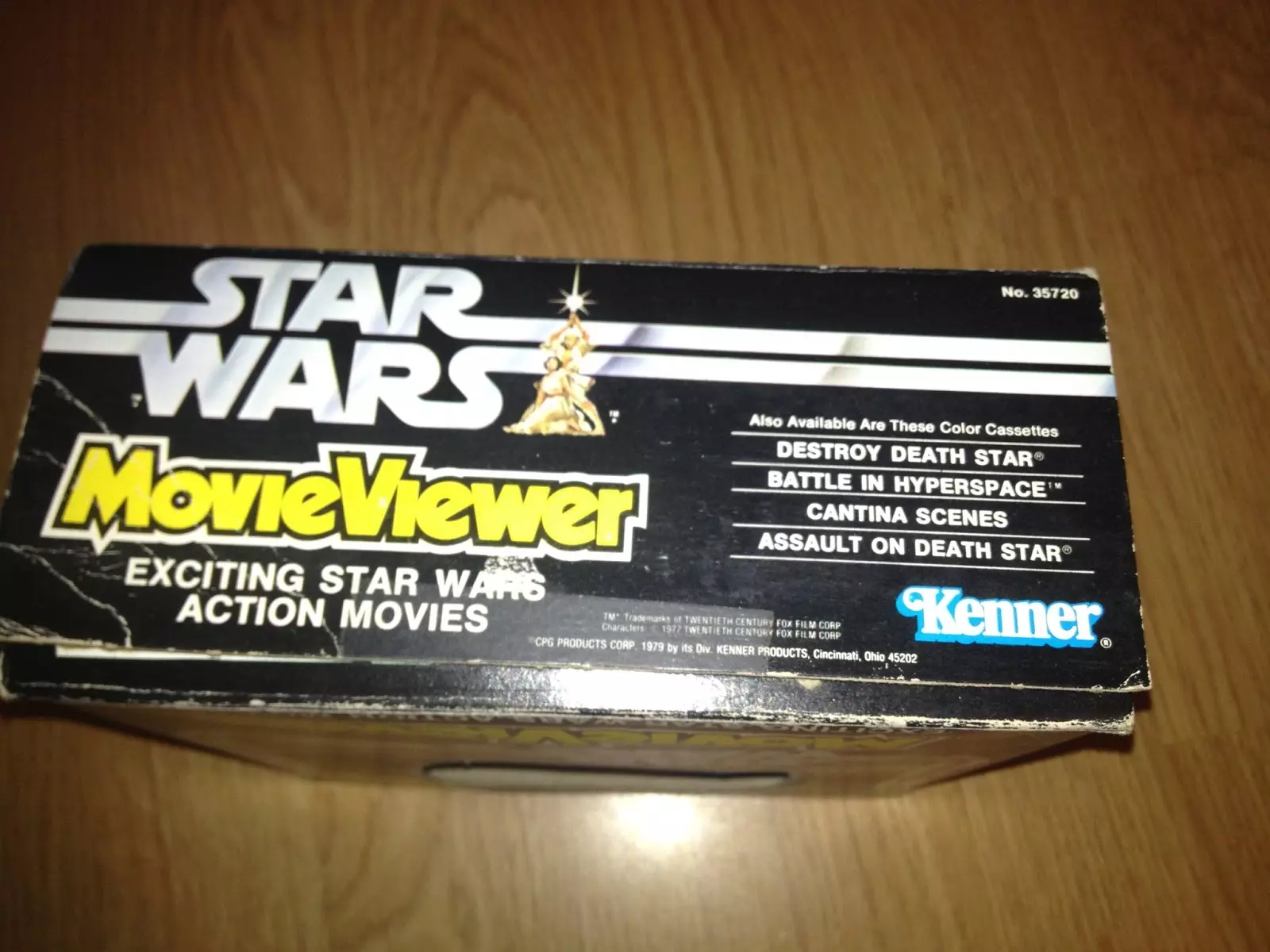
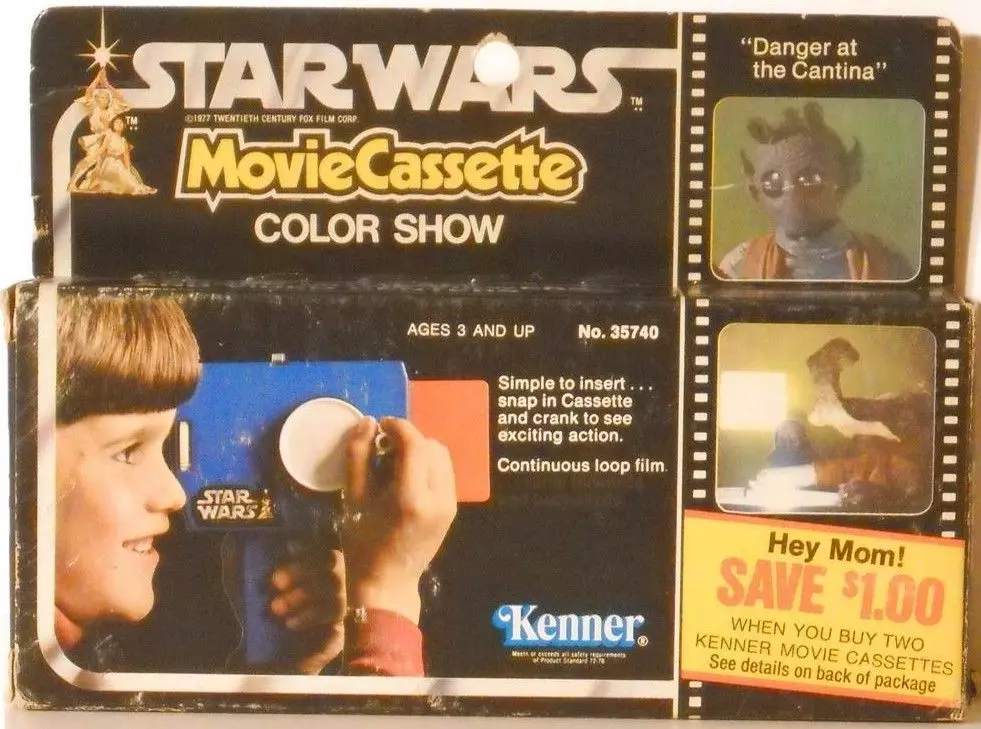
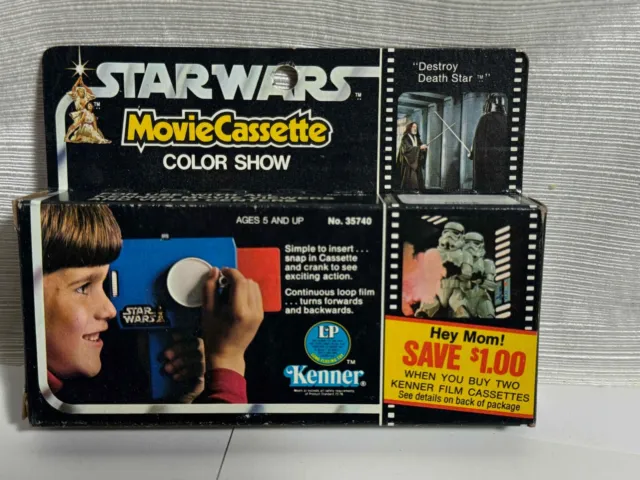
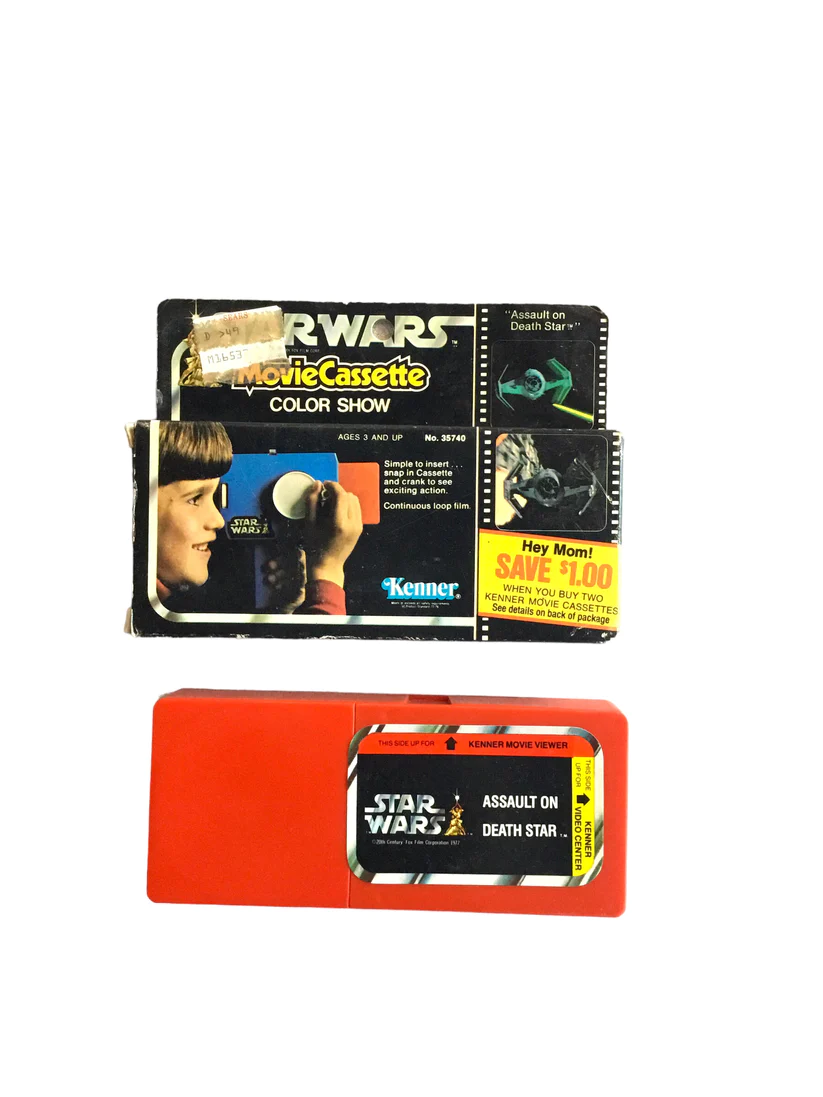
El diseño del empaque ha sido tradicionalmente más fácil de crear y fotografiar en comparación con un juguete real. Aquí vemos que se imprimieron cajas, pero por alguna razón, las etiquetas para cada casete no lo fueron, o seguramente estaríamos viendo el otro lado de al menos uno de esos casetes. Dado que este concepto de visor de películas se utilizó para la línea del Hombre de los Seis Millones de Dólares de Kenner, supongo que esos casetes en la foto no son realmente de Star Wars, sino de Steve Austin. Observa que Kenner ofrecía 6 cintas con 4 de Star Wars, una de Butch Cassidy y una para la fallida línea de juguetes de International Velvet. No parece que alguna vez hicieron las cintas de Butch Cassidy y no creo que la idea de International Velvet despegara tampoco.
Star Wars Patrol Dewback
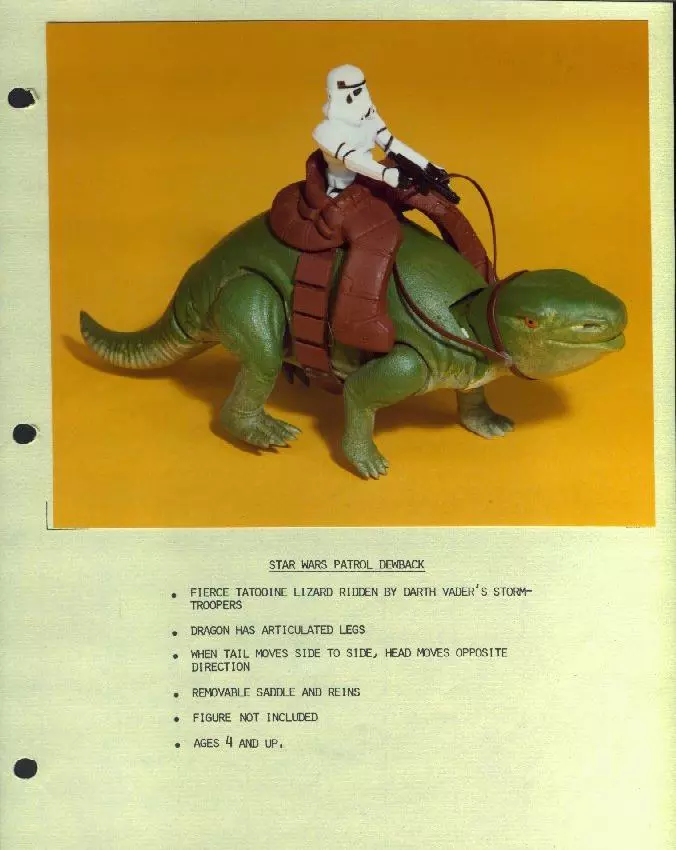
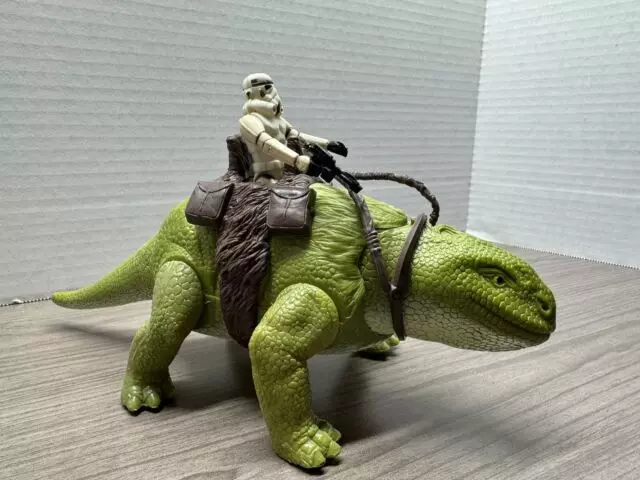
Este es uno de los mayores cambios que Kenner haya hecho a un juguete de Star Wars, considerando el hecho de que apareció en fotos para que los niños lo vieran. Esta foto exacta se utilizó en el empaque de la segunda serie (20 Back) y tercera serie (21 Back) de figuras de Star Wars y en el catálogo en paquete de Kenner de 1979. La versión productiva claramente era más fiel a la criatura de la película, pero ambas versiones tenían la solapa en la parte posterior para que la figura se insertara en ella de a pie y diera la sensación que la estaba montando. Para hacer más real esta ilusión, se creó la silla de montar para dar la ilusión de que las piernas del soldado imperial rodeaban al Dewback. Fuera del título, en el texto se menciona a la criatura como lagarto y dragón la siguiente. En este prototipo, la cabeza se mueve hacia arriba y hacia abajo.
Star Wars Plush Jawa
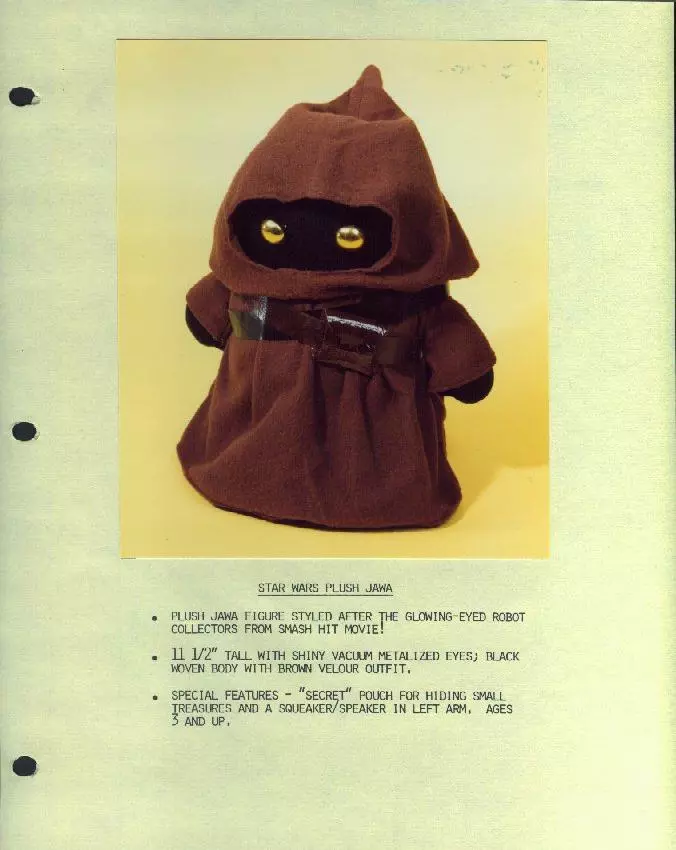
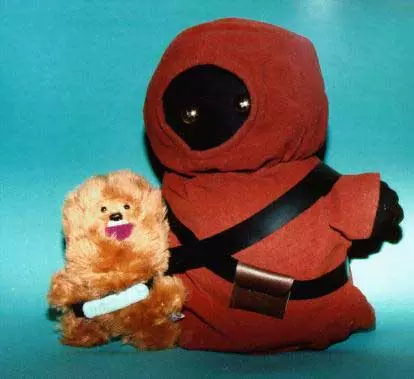
Por alguna razón que este juguete finalmente sólo tuvo su lanzamiento en tierras canadienses por Regal. Un prototipo como este podría crearse fácilmente para la fotografía y algunas diferencias entre él y la versión lanzada parecen ser el material café y los brazos acortados. En general, sin embargo, es bastante similar a cómo realmente se veía el producto.
Star Wars Puzzle Assortment #3
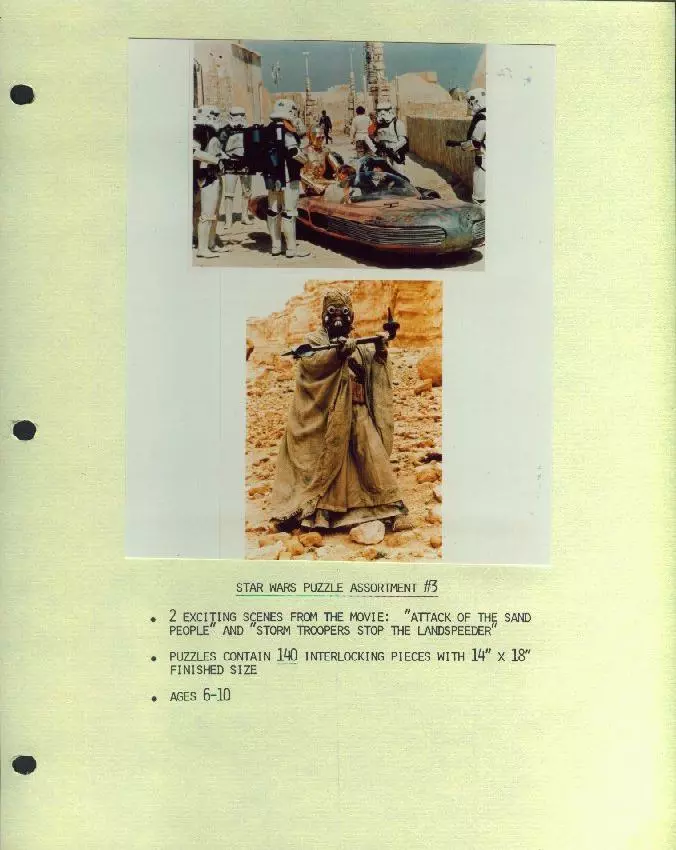
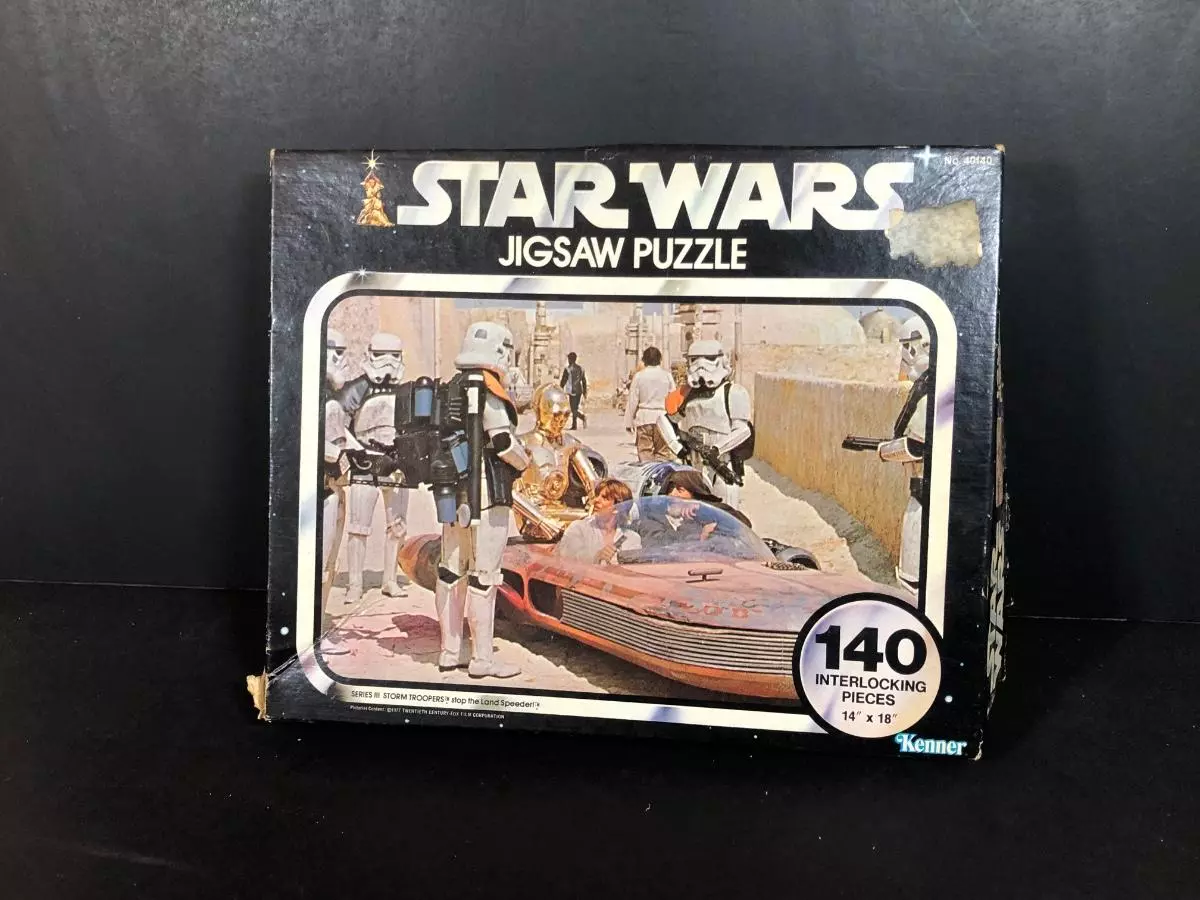
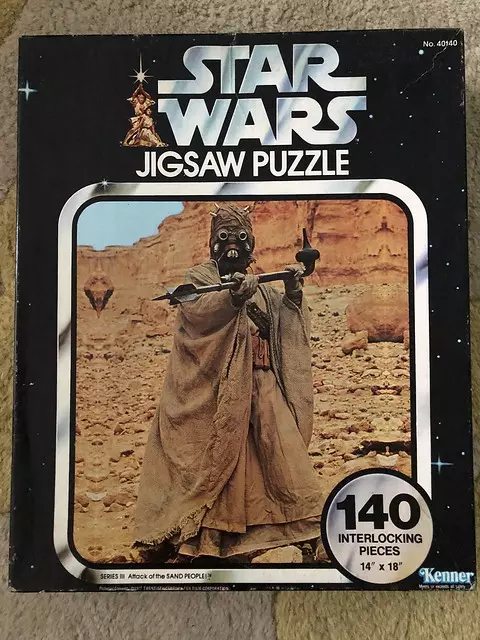
Los rompecabezas fueron unos de los primeros juguetes relacionados con Star Wars creados por Kenner. Dado que la impresión era mucho más fácil y rápida que la producción de juguetes de plástico, Kenner pudo llevar estos al mercado rápidamente. Estas podrían ser fotos de los archivos reales que Lucasfilm envió a Kenner. Estos son los rompecabezas de 140 piezas para lo que aquí se etiqueta como “Surtido #3”.
Star Wars Puzzle Assortment #3
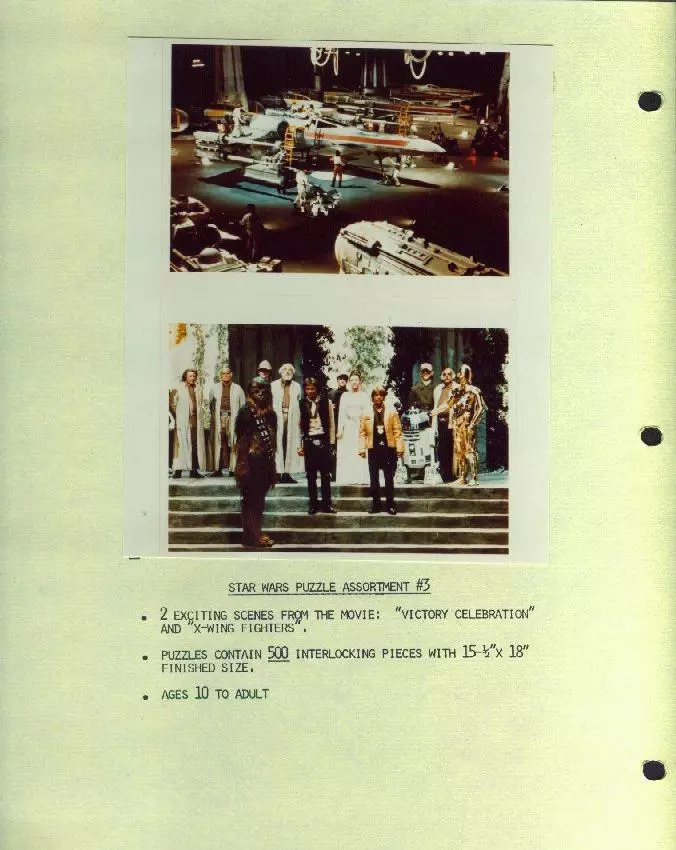
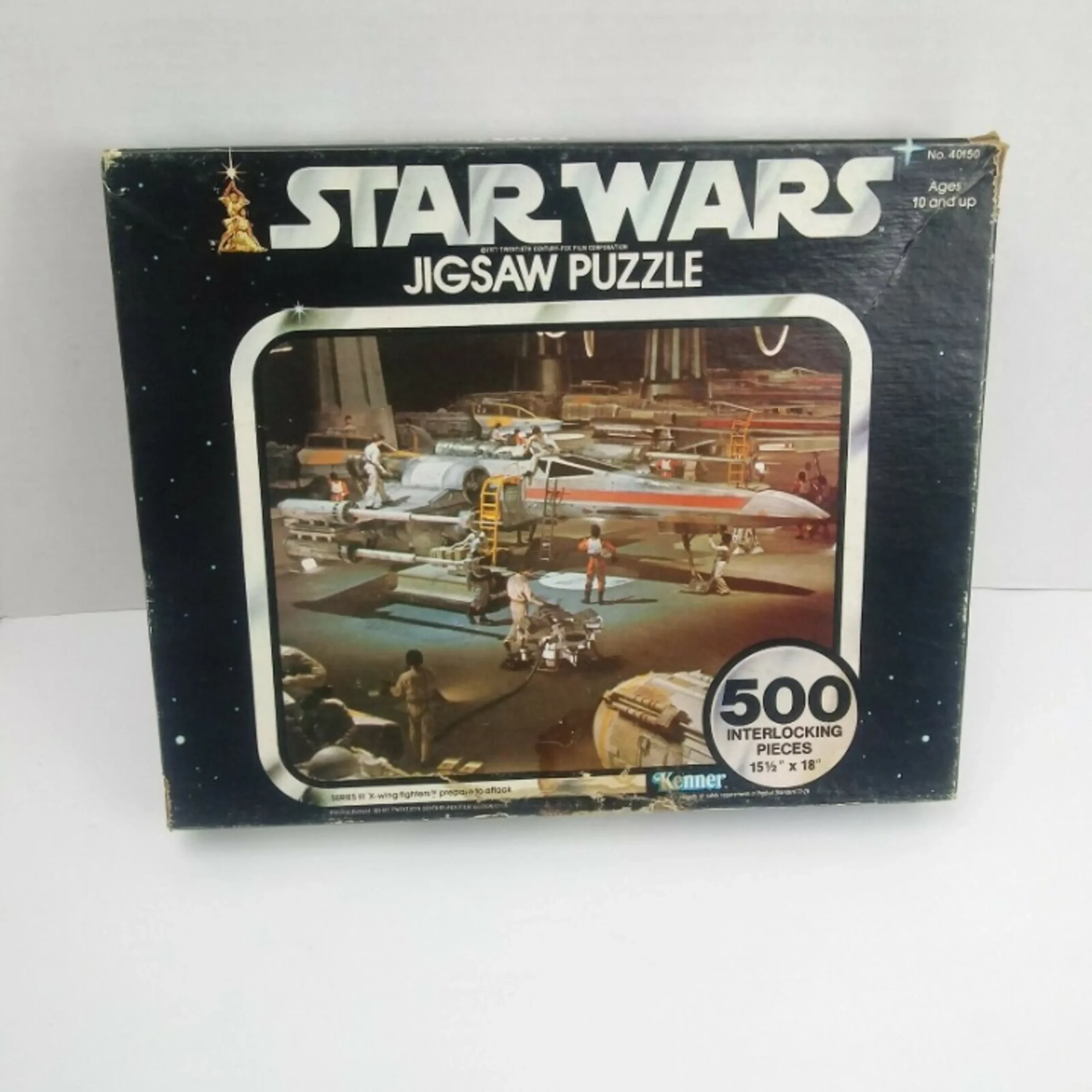
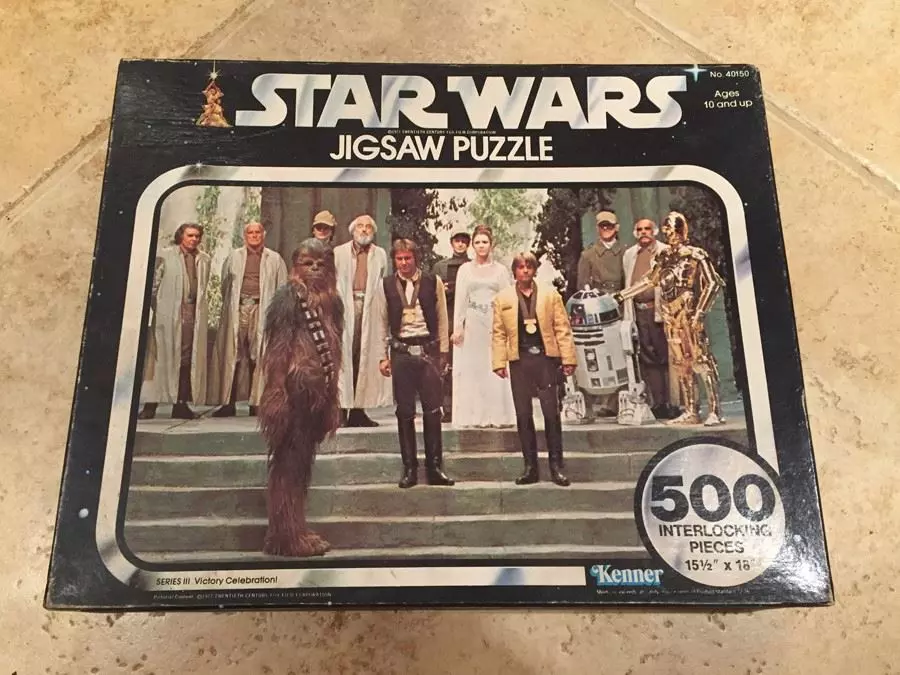
Dentro del mismo surtido #3 se consideran estos nuevos puzzles, pero esta vez de 500 piezas.
Star Wars Puzzle Assortment #4
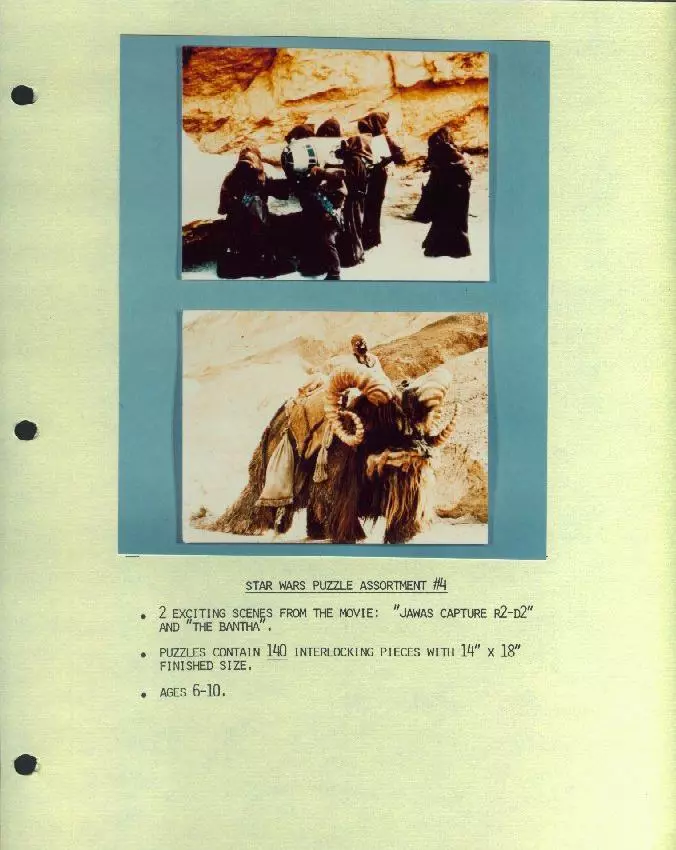
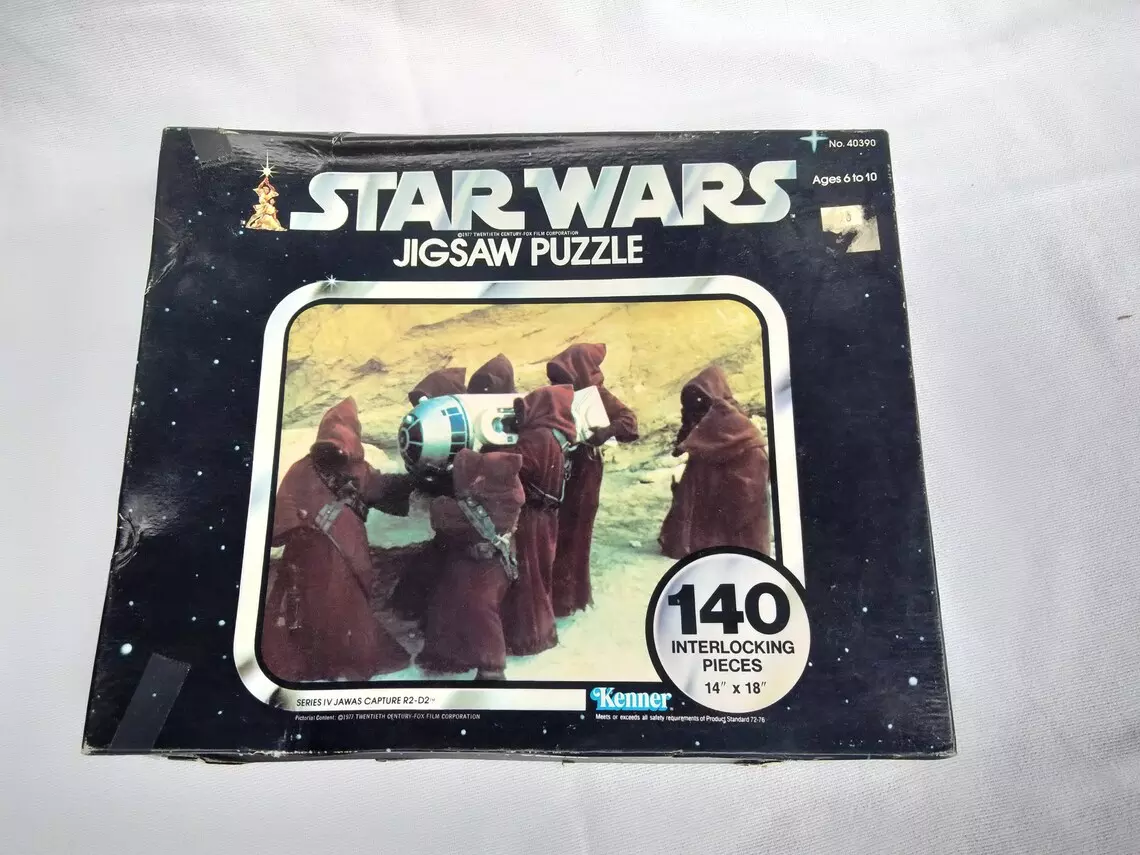
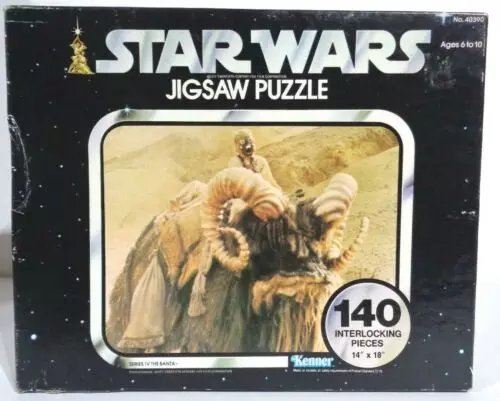
Un nuevo surtido de puzzles de 140 piezas catalogados como #4.
Star Wars 1500 pc. Puzzle Assortment
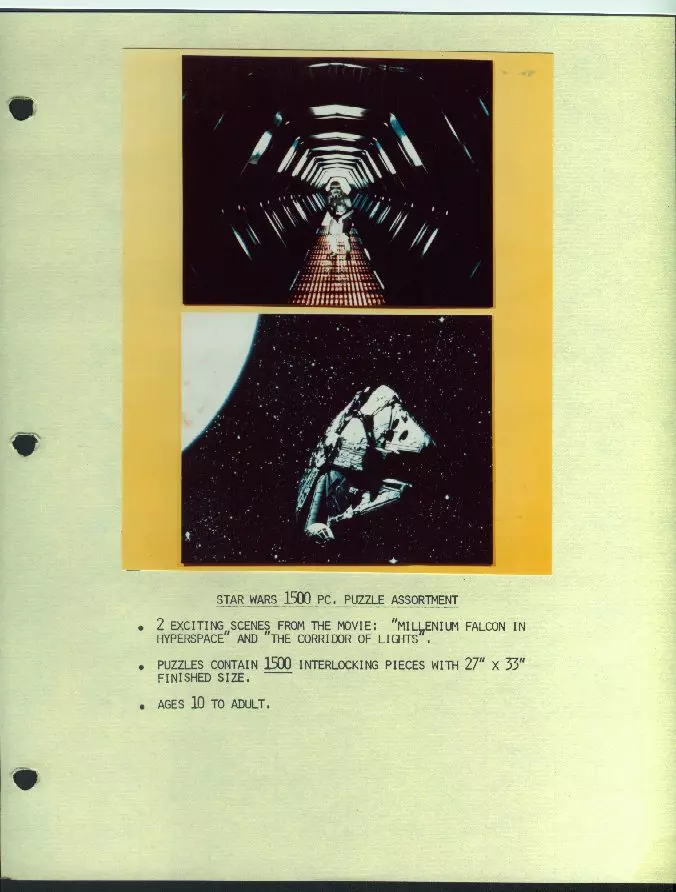
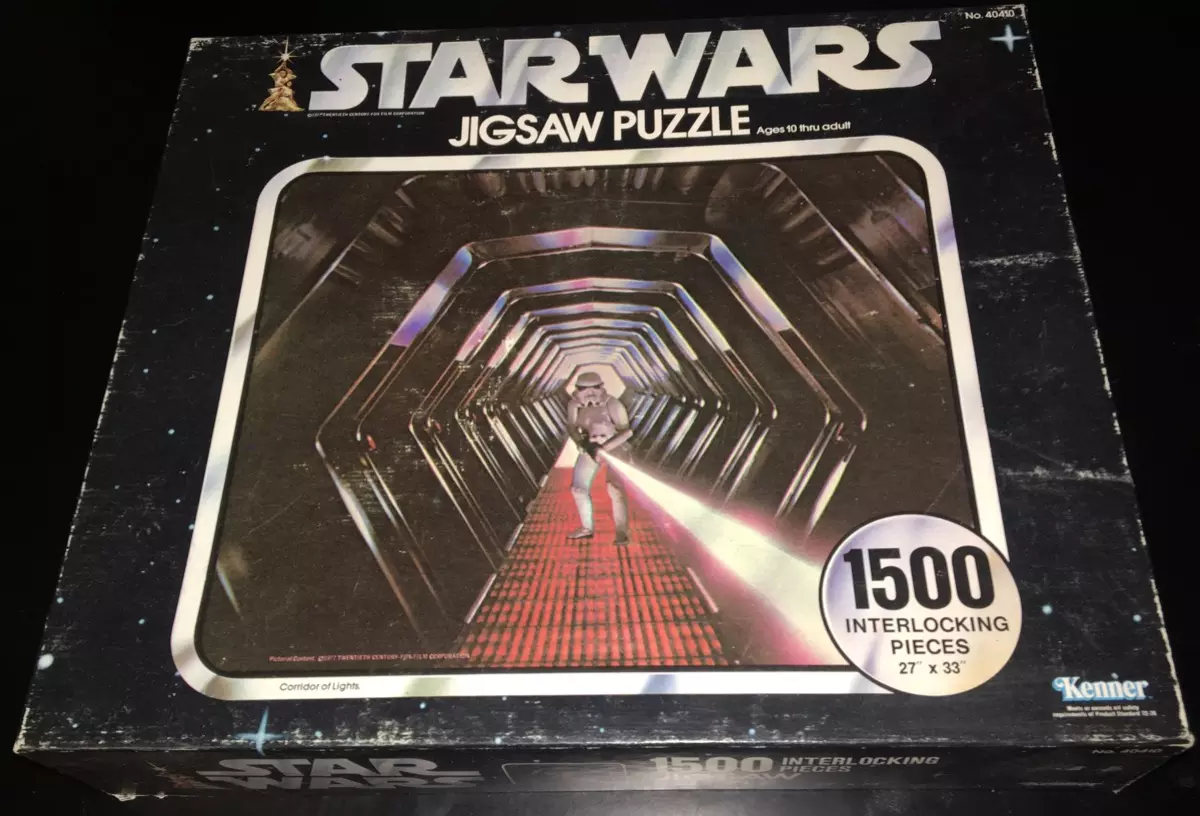
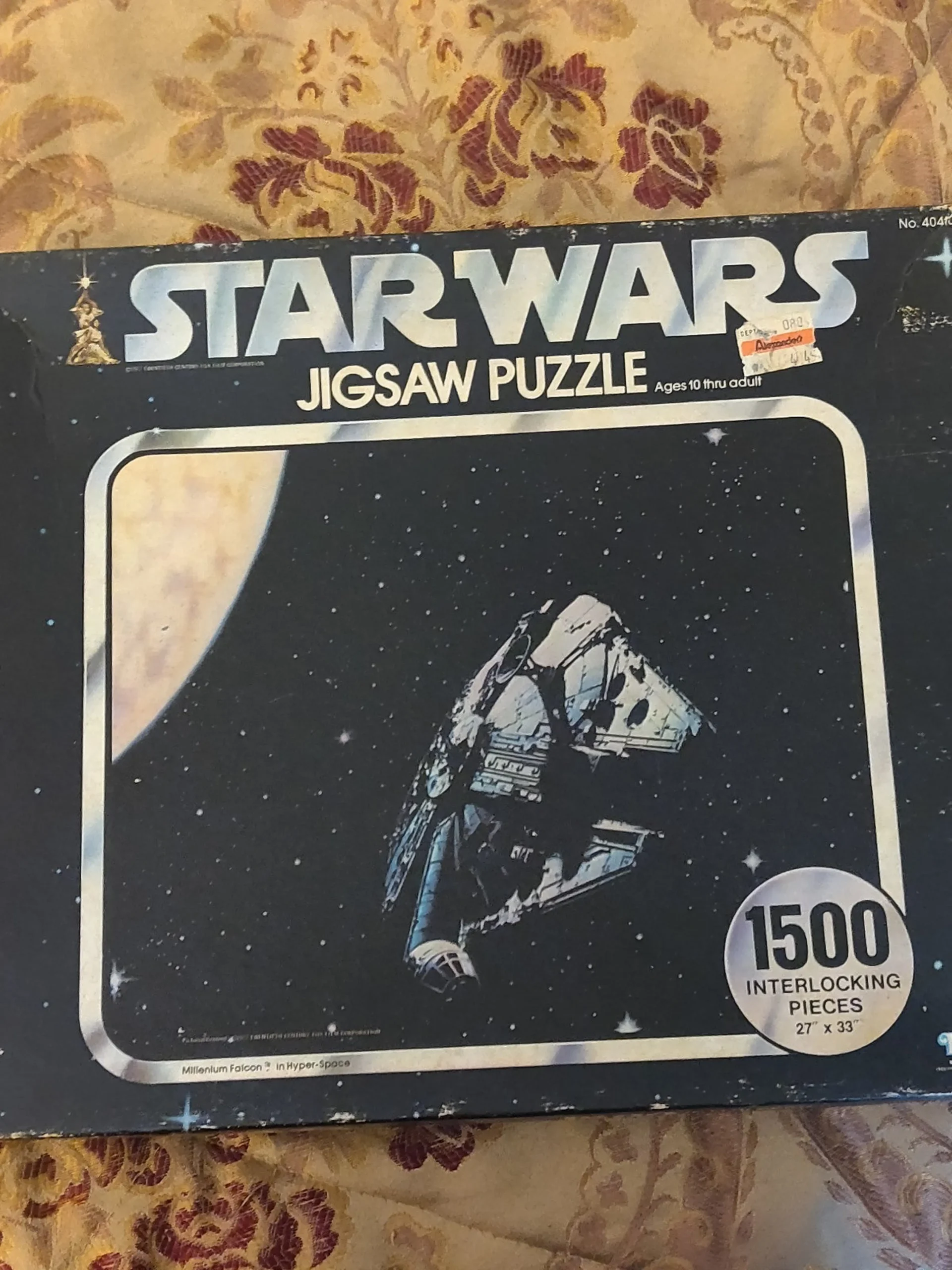
Estos puzzles no tienen número de surtido asociado y corresponden a imágenes utilizadas para puzzles de gran tamaño de 1500 piezas.
Star Wars Radio Controlled Jawa Sand Crawler
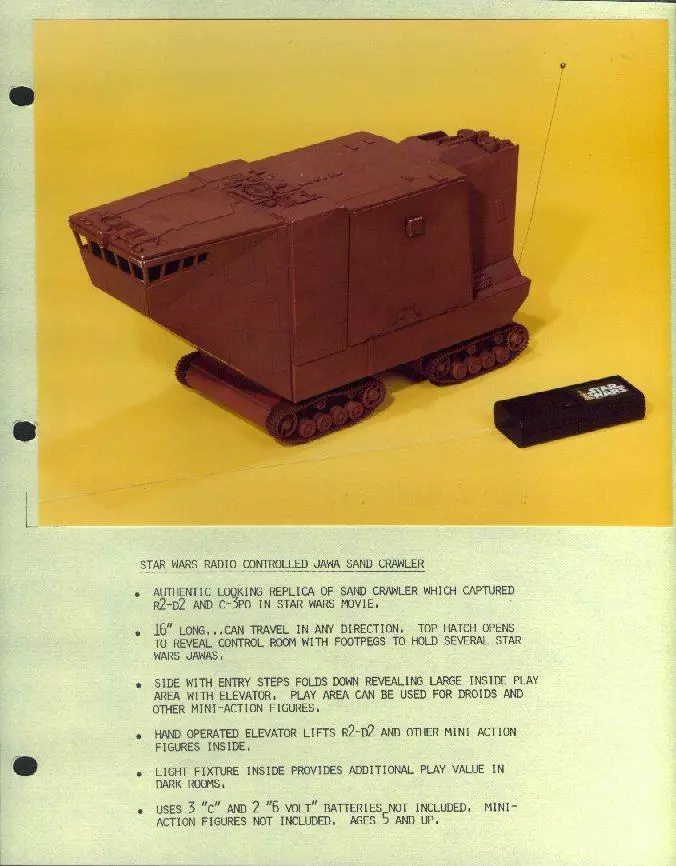
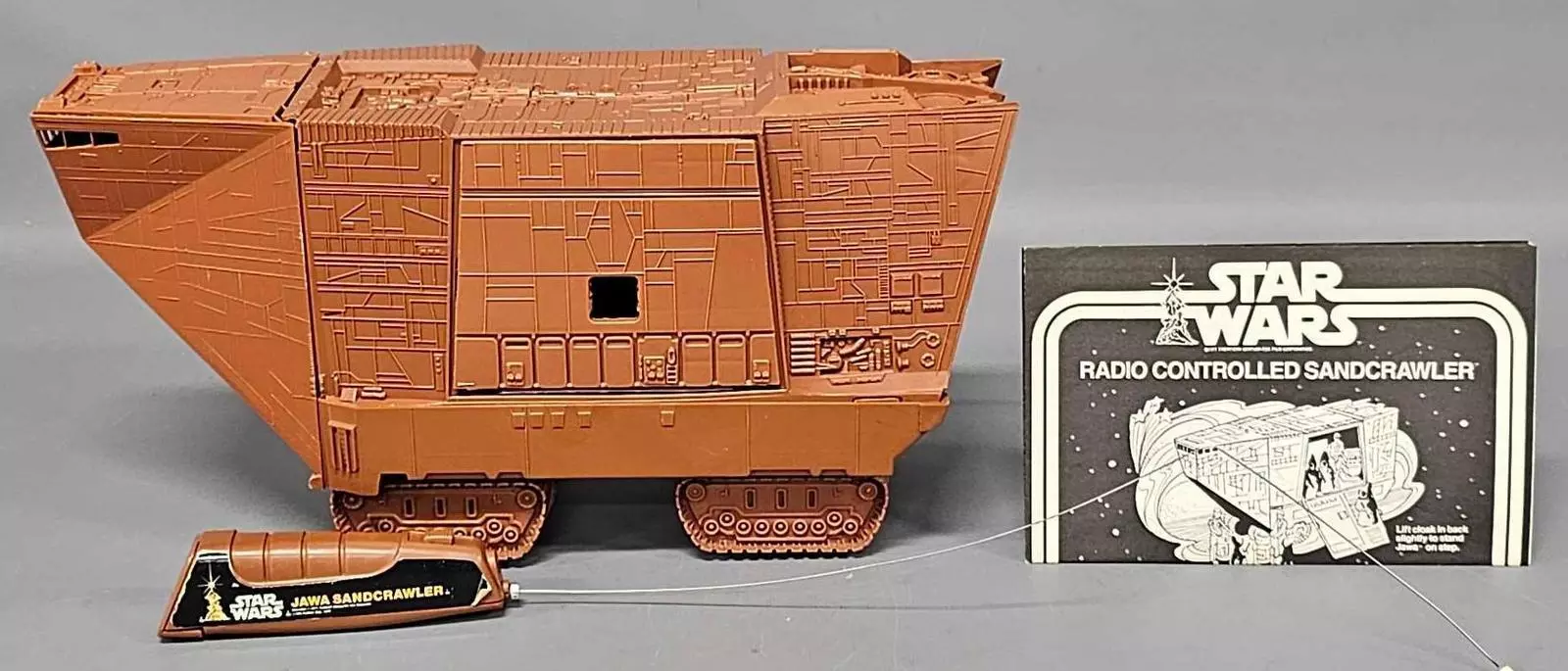
Las diferencias entre este prototipo y el juguete de producción son variadas. Probablemente esté hecho de estireno blanco y pintado café, lo cual es evidente en algunas de las esquinas desgastadas. El control remoto es bastante rudimentario en comparación con la versión final y no hay forma de saber si este modelo funcionaba o no. Las ruedas de rodadura parecen ser de algunos kits de modelos de tanques alemanes y algunos otros detalles pueden haber sido obtenidos de otros modelos de maquetas. La funcionalidad y la descripción parecen ser exactamente iguales que las del juguete lanzado al mercado, excepto por una pequeña diferencia. Aparentemente, Kenner no pensó que la luminaria interior fuera una buena idea o rentable, así que la eliminaron. Otro detalle interesante fue el uso de baterías de 6 voltios, en lugar de las tradicionales de 9 voltios, para el transmisor y el receptor.
Star Wars Adventures of R2-D2 Game
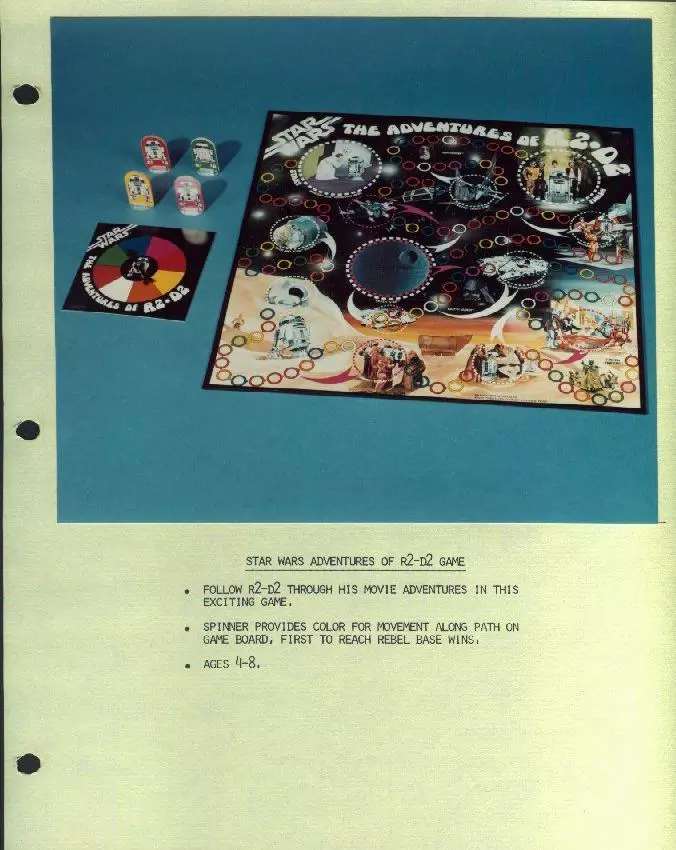
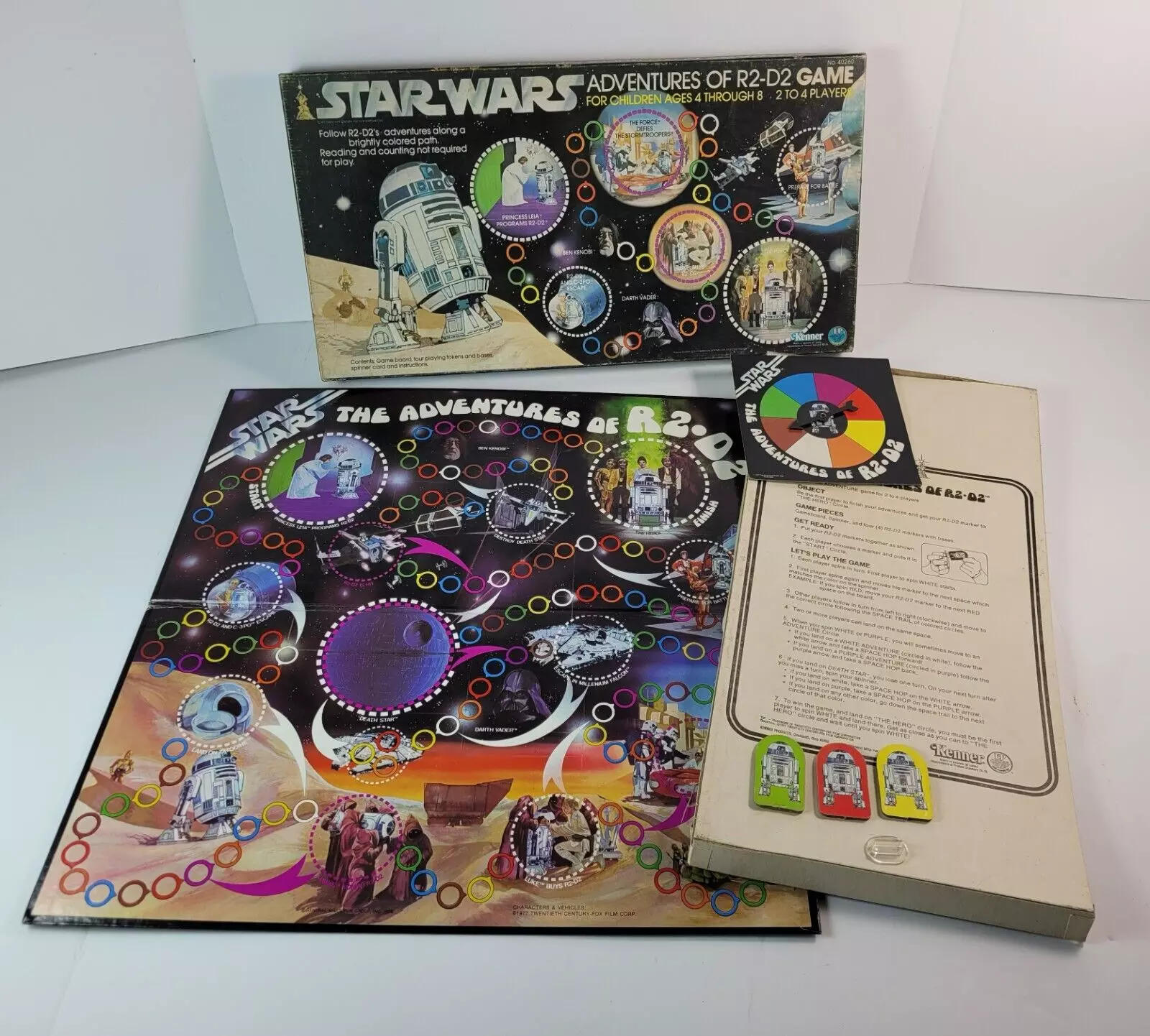
Este es el juego estándar. El texto ofrece un breve resumen del propósito de este juego.
El material asociado a las especificaciones y prototipos ha sido obtenido de la colección de Chris Georgoulias presentada en The Star Wars Collector’s Archive.
These Kenner product sheets are part of a three‑ring binder containing early photographs and descriptions of more than 30 Star Wars toys. Each page follows the same format, with typed information about the product and a glossy photo attached. Most of the photos depict representations of the toys, but they often differ from their released counterparts, making them quite unique to look at. These were usually mock‑ups created because the toys were not yet ready in time for photography and early marketing.
New Star Wars Mini-Action Figures
In the specification sheet for the new figures — for which I have not been able to determine the exact year of release (probably late 1978) — a prototype figure of Boba Fett is identified, also mentioning its missile‑firing mechanism. It is unclear whether certain touch‑ups were made specifically for the photograph or whether this represents a new prototype for which I have found no additional records. What is certain is that it resembles much more closely the final production figure. In particular, this version no longer has eyes painted on the helmet, the red on the helmet is more intense, the jumpsuit is a more grayish blue, the gloves no longer feature the circle‑and‑X markings, the rangefinder is gray, and the boots lack the stripe details. After this stage, further reductions in complexity continued, such as simplifying the jetpack, rounding the missile, and integrating the rangefinder as part of the helmet (no longer protruding).
Also listed in the specifications are eight new action figures: Greedo, Hammerhead, Red Snaggletooth, Luke Skywalker X‑Wing, R5‑D4, Power Droid, Death Star Droid, and Walrus Man. Note that Hammerhead appears with a blaster even though he was ultimately released with a rifle, and for Snaggletooth it was the opposite. These figures are the eight new characters that appear on Kenner’s 20‑back cardbacks from the Star Wars collection. In particular, Boba Fett began appearing as a promotion in his third version on the 20C cardback, but with a photo of the third prototype.
Star Wars Mini-Action Figures Collector’s Case
Nothing out of the ordinary here, but this exact photo was used in Kenner’s 1979 catalog. This case was very popular among children as the collection grew from 12 to 21 figures. Fortunately, the case held 24 figures, allowing kids to store both versions of Snaggletooth, with two extra spaces for essentials like a spare Stormtrooper or the free bonus Boba Fett.
Star Wars Chewbacca Bop Bag
This appears to be the production version of Chewbacca’s inflatable bop‑bag toy, especially given that it is shown fully inflated.
Star Wars Cantina Adventure Set
Photo by Kim David McNeill Simmons from the Kenner archive, which can also be seen in a TV Guide insert where Kenner Star Wars toys were promoted. There is a difference between this version and the released toy, as this one has black outlines highlighting the “stone” floor. An interesting detail is that the name of the Sears‑exclusive playset is shown here, even though it ultimately reached the market under the name “Creature Cantina Action Playset.”
Star Wars Darth Vader’s Tie Fighter
This was simply a photographic mock‑up and not an early version of the toy. It is likely that the wings were built from styrene and then painted. The rest is just a painted TIE Fighter toy. This paint work is evident when you look at the white around the edges, and you can tell they left the hatch closed when they painted it “Evil Grey.” Likewise, the inside of the hatch is white. Also note that it specifies the wings as having solar panels.
Star Wars Destroy Death Star Game
This is the standard‑edition playset. The text provides a brief summary of the purpose of this set.
Star Wars Diecast Spacecraft Series I
None of the ships appear to be different from their released versions, although Darth Vader’s TIE Fighter seems to be painted in a dark metallic blue rather than gray.
Star Wars Diecast Spacecraft Series II
This is the same photo shown in Kenner’s 1979 catalog. The three vehicles appear to be made from white styrene and are clearly early mock‑ups created for photographic purposes. The features of each toy match what was ultimately produced, although it is not clear whether these prototypes actually functioned as shown. A very interesting detail here is the inclusion of a dial on the side of the Millennium Falcon that rotates the radar dish and possibly the laser cannon. Notably, the final Y‑Wing product is quite similar to its prototype, unlike the other two ships.
Star Wars Droid Factory
This same photo was used on the cardback of the second Star Wars figure series (20 Back) and the third series (21 Back), as well as in Kenner’s 1979 catalog. It differs greatly from the final toy and is a real treat to examine up close like this. The basic idea of the set remained the same, but almost everything shown in this photo was modified for production, although some of the droid parts resemble their production counterparts. It appears that this prototype base was made of white styrene and painted brown. It seems the designers intended to group the parts into several open spaces rather than having a tight, dedicated slot for each piece. There is a crank on the crane support arm, but it is unclear whether it was actually functional. It may have been intended to control the back‑and‑forth movement of the hook.
Imperial Troop Transporter
What more can be said other than that this prototype is spectacular. It must be an early conceptual mock‑up of the design and not fully representative of the final form, but many of the intended features are already present at this stage. That is part of an X‑Wing toy engine on the top, and the rest appears to be made from white styrene with model‑kit parts attached — classic “kit‑bashing.” I assume the sharp angles were included because styrene sheets can be easily cut and glued into prism‑like shapes such as this. There is a single button on the top instead of one for each of the six sounds. Who knows whether this unit actually had a speech module inside or not.
The Prisoner Immobilization Unit is shown on the head of a Stormtrooper, even though it is not mentioned in the description. Interestingly, the sheet explains what its role was supposed to be in the film, even though that scene was never shot. The comic included with the toy continued to describe that scene for children. It seems they were planning a Landspeeder‑style suspension system at this point, but it was surely removed due to cost.
Star Wars Jawa Bop Bag
The artwork for the final version of this bop‑bag was slightly modified. The colors here are a bit lighter, and most of the details are subtly altered throughout. It is unclear whether this is an actual printed bag or simply an artist’s concept, as it is only two‑dimensional.
Star Wars Land of the Jawas
Photo by Kim David McNeill Simmons from the Kenner archive. I have not seen this photograph used in any other material. Nowhere does it mention that the Sandcrawler is a cardboard backdrop. Even so, this was a very popular set, and today it is difficult to find one in perfect condition.
Star Wars Boba Fett, Galactic Bounty Hunter Large-Size Action Figure
This 13″ Boba Fett prototype resembles, visually, the deluxe version that appeared in the POTF2 line in 1998 far more than the figure produced in the vintage 1979 collection. It mentions three safe spring‑firing rockets (two short and one long), LED lights on the chest plate, a removable arm flamethrower, a removable dart weapon, electronic sound, and knee darts. I assume this would have exceeded the budget, so almost everything was removed, leaving only a single removable rocket and an attached flamethrower on the arm. The weapon in this version is much smaller than the production one. The sculpt is also 100% different. There is no way to know whether this prototype actually included all these features, but I think the coveted rocket‑firing action figure prototypes almost pale in comparison.
Star Wars C-3PO Large Size Action Figure
This was the final version of the toy, and since it offered little beyond its characteristic shape, there was not much for Kenner to say or do with it.
Star Wars Han Solo Large Size Action Figure
Kenner was known for using existing toys as part of its early concept, mock‑up, and photography processes, and this toy was no exception. Here, the Frank Hardy figure (also manufactured by Kenner) steps in as Han Solo. This fantastic use of a Hardy Boys doll allowed Kenner to easily assemble a convincing likeness of Han Solo. The clothing could be created fairly easily, so it didn’t take long to put this mock‑up together.
What may not be widely known is that Kenner used this same toy for its early concepts of the Lando Calrissian doll during The Empire Strikes Back. Since that line of dolls never reached production, very few photos exist. The final Lando sculpt was an impressive likeness, although the mock‑up left much to be desired. What Kenner did was paint Frank Hardy’s face brown and his hair black. The addition of a black mustache was the finishing touch.
Star Wars R2-D2 Large Size Action Figure
This may have been the final version of the toy, and since it offered little beyond its characteristic shape, there wasn’t much for Kenner to say or do with it. The darker blue seen here may simply be due to the lighting in the photo. The movable head and the secret compartment were the “action” features of this particular toy.
Star Wars Stormtrooper Large Size Action Figure
For the Stormtrooper, they either didn’t have the time or there simply wasn’t much more to do beyond showing that the larger figure was meant to match the already existing 3¾″ version.
Star Wars Millenium Falcon Spaceship
This white‑styrene prototype has very few of the exterior details present in the final version of the toy. Every feature appears to be in its proper place. The dejarik (holochess) table is orange, even though it is not mentioned as one of the major additions to the interior. There really isn’t much to say about this piece, as it was clearly a prototype created for early photographic and conceptual purposes. It is interesting to see that commercial descriptions were included, such as the classic “Figures not included.”
Movie Cassette Library
The packaging design was traditionally much easier to create and photograph compared to an actual toy. Here we see that boxes were printed, but for some reason the labels for each cassette were not — otherwise we would surely be seeing the reverse side of at least one of them. Since this film‑viewer concept was also used for Kenner’s Six Million Dollar Man line, I suspect the cassettes shown in the photo are not actually Star Wars reels, but Steve Austin reels.
Notice that Kenner offered six tapes: four from Star Wars, one from Butch Cassidy, and one for the unsuccessful International Velvet toy line. It doesn’t appear that the Butch Cassidy tape was ever produced, and I don’t think the International Velvet idea ever took off either.
Star Wars Patrol Dewback
This is one of the biggest changes Kenner ever made to a Star Wars toy, especially considering that it appeared in photos meant for children to see. This exact photo was used on the packaging of the second (20 Back) and third (21 Back) figure series, as well as in Kenner’s 1979 in‑pack catalog. The production version was clearly more faithful to the creature seen in the film, but both versions included the rear flap where a figure could be inserted standing up to create the illusion of riding. To enhance this illusion, a saddle was created so that the Stormtrooper’s legs appeared to wrap around the Dewback.
Aside from the title, the text refers to the creature as a lizard and then as a dragon. In this prototype, the head moves up and down.
Star Wars Plush Jawa
For some reason, this toy ultimately saw release only in Canada through Regal. A prototype like this could have been easily created for photography, and the differences between it and the released version appear to be the brown material and the shortened arms. Overall, however, it is quite similar to how the final product actually looked.
Star Wars Puzzle Assortment #3
Puzzles were among the first Star Wars–related toys created by Kenner. Since printing was much easier and faster than producing plastic toys, Kenner was able to bring these to market quickly. These may be photos from the actual archives that Lucasfilm sent to Kenner. These are the 140‑piece puzzles for what is labeled here as “Assortment #3.”
Star Wars Puzzle Assortment #3
Within the same Assortment #3, these new puzzles are included as well — this time with 500 pieces.
Star Wars Puzzle Assortment #4
A new assortment of 140‑piece puzzles, cataloged as #4.
Star Wars 1500 pc. Puzzle Assortment
These puzzles have no associated assortment number and correspond to images used for the large‑format 1500‑piece puzzles.
Star Wars Radio Controlled Jawa Sand Crawler
The differences between this prototype and the production toy are varied. It was likely made of white styrene and painted brown, which is evident in some of the worn corners. The remote control is quite rudimentary compared to the final version, and there is no way to know whether this model actually functioned. The tread wheels appear to come from German tank model kits, and some other details may have been sourced from additional model kits.
The functionality and description seem to match those of the released toy almost exactly, with one small exception. Apparently, Kenner did not think the interior light was a good or cost‑effective idea, so it was removed. Another interesting detail was the use of 6‑volt batteries instead of the traditional 9‑volt ones for both the transmitter and the receiver.
Star Wars Adventures of R2-D2 Game
This is the standard set. The text provides a brief summary of the purpose of this game.
The material related to specifications and prototypes has been obtained from the Chris Georgoulias collection, presented at The Star Wars Collector’s Archive.